

After analysing the leading copy trading platforms available to Australian investors, including their tools, fees, and ease of use, eToro is the best copy trading platform in Australia for 2026, offering a user-friendly social trading interface that allows beginners and intermediate investors to replicate professional trader strategies. Other strong alternatives include AvaTrade for simple forex copy trading, Pepperstone for CFDs via MT4/MT5, and IC Markets for active traders.
- CopyTrading lets you mirror experienced investors' trades
- Multi-asset access: stocks, crypto, ETFs, forex, commodities
- Beginner-friendly interface with social/community sentiment feed
Capital at risk. T&Cs apply.
Top copy trading platforms in Australia (2026)
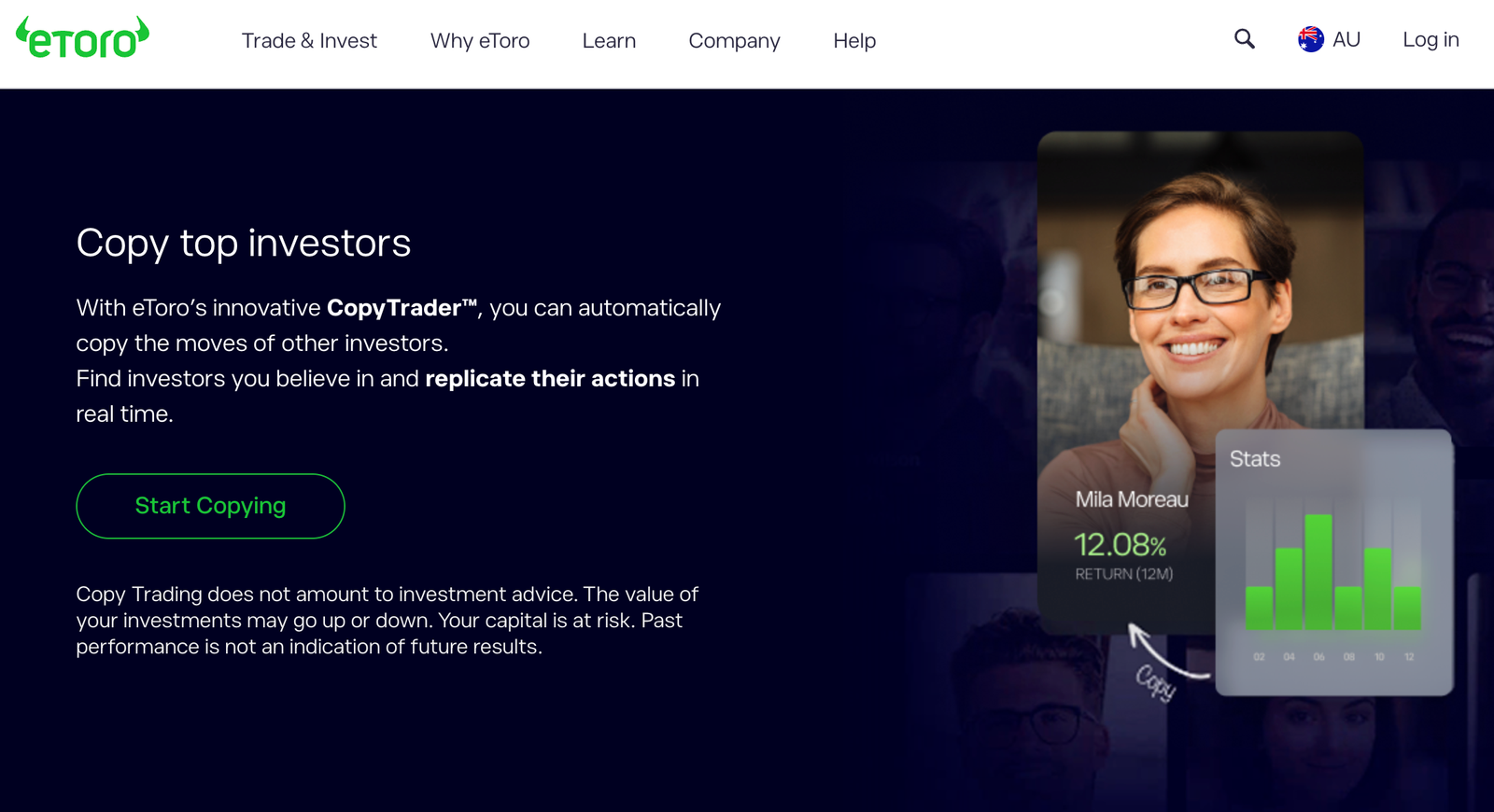
- eToro – Best for beginner-friendly social copy trading: Offers the CopyTrader system, allowing investors to automatically mirror experienced traders while viewing performance metrics, drawdowns, and risk scores. Minimum copy allocations typically start from around USD $200.
- Pepperstone – Best for low-cost FX copy trading: Supports copy trading through MetaTrader 4, MetaTrader 5, and third-party signal services, combined with tight spreads and fast execution.
- AvaTrade – Best for simple mobile-first copy trading: Provides DupliTrade, enabling automatic copying of selected strategies across forex and CFD markets through a straightforward interface.
- IC Markets – Best for active traders using third-party copy tools: Offers copy trading through cTrader Copy and MetaTrader signal services, making it popular among experienced forex and CFD traders seeking low spreads and high execution speeds.
Key considerations for Australians
- Regulation: Choose brokers operating under ASIC regulation where applicable.
- Fees: Compare spreads, commissions, and any platform or withdrawal fees.
- Minimum deposit: Minimum deposits vary, but many platforms allow accounts from around $50 to $200 depending on the broker and copy feature.
What are the best copy trading platforms in Australia?
| Platform | Score | Copy System | Minimum to Copy | Traders/Strategies Available | Assets | Copy Fee | Risk Controls | ASIC | Best For |
|---|---|---|---|---|---|---|---|---|---|
| IC Markets | 8.7 | ZuluTrade (third-party) | US$200 (IC Markets account minimum; ZuluTrade itself sets no separate minimum) | ~100,000 signal providers globally, ranked via ZuluRank | FX, commodities, indices, crypto, stocks and futures CFDs | $0 subscription or profit-share; IC Markets earns via spread | ZuluGuard 24/7 account monitoring with automatic intervention, ZuluRank provider scoring, pre-live simulation tool | Yes, International Capital Markets Pty Ltd, AFSL 335692 | Active FX traders and scalpers wanting ultra-tight pricing plus a huge provider pool |
| eToro | 8.4 | CopyTrader (native) | US$200 per trader (min $1 per copied position) | Copy up to 100 traders at once, from a full searchable directory ranked by risk score and performance stats | Stocks, ETFs, crypto, forex, indices, commodities | $0 extra (standard eToro trading costs apply, e.g. 1% crypto fee) | Proportional copying, optional stop-loss threshold per trader, stop/adjust anytime | Yes, eToro AUS Capital Ltd, AFSL 491139 | Best overall, beginners & hands-off investors |
| Pepperstone | 6.9 | Pelican Trading (native) + DupliTrade / MT4-5 Signals (third-party) | Pelican: $500 minimum account balance. DupliTrade: $2,000 (MT4) or $500 (MT5) | Thousands of signal providers on Pelican, filterable by performance; a curated, vetted provider list on DupliTrade | FX, indices, commodities, shares and crypto CFDs, depending on the signal provider | Performance fee set per provider (Pelican, capped at 50% of profits, charged on a high-watermark basis); DupliTrade fees vary by provider and aren’t separately disclosed | Max drawdown limits, 3 position-sizing modes (proportional/mirror/fixed), pause and reset controls | Yes, Pepperstone Group Limited, AFSL 414530 | FX/CFD traders who want both a native and third-party copy option |
| AvaTrade | 6.5 | AvaSocial (native, mobile-only) + DupliTrade (third-party, desktop & mobile) | AvaSocial: US$100. DupliTrade: $2,000 (MT4) or $500 (MT5) | 300+ traders on AvaSocial; a curated DupliTrade provider list | 600+ stocks, 60+ ETFs, 50+ FX pairs, 20+ commodities, 20+ crypto, indices, bonds | No subscription fee; performance fee of up to 30% of profits, set per trader | Traders categorised by drawdown level, leaderboard comparison of performance, exposure gated by account balance | Yes, AvaTrade Australia, AFSL 406684 | Mobile-first beginners who want fixed spreads and simplicity |
How we ranked Australia’s best copy trading platforms
We compared eToro, Pepperstone, AvaTrade and IC Markets across cost, risk controls, signal/provider depth, and usability, the factors that determine outcomes when you’re handing your capital’s exposure over to someone else’s trades, not just how many traders a platform claims to have.
Cost and risk controls carry the most weight (30% each), since both compound over the life of a copied position: cost meaning what actually gets taken off your profits once a provider’s performance fee applies, risk controls meaning whether the platform actively protects your account or just hands you a leaderboard.
Signal/provider depth is worth 20%, and usability makes up the remaining 20%. Each platform scores out of 10 per category.
| Platform | Cost | Risk Controls | Signal Depth | Usability | Overall |
|---|---|---|---|---|---|
| IC Markets | 9.0 | 9.4 | 10.0 | 6.0 | 8.7 |
| eToro | 9.5 | 7.5 | 7.0 | 9.5 | 8.4 |
| Pepperstone | 5.0 | 8.4 | 8.0 | 6.5 | 6.9 |
| AvaTrade | 6.5 | 6.5 | 6.0 | 7.0 | 6.5 |
IC Markets tops the table on the numbers: ZuluTrade dropped follower subscription and profit-share fees in 2023, ZuluGuard actively monitors and intervenes on accounts, and its ~100,000-strong provider pool is the deepest of any platform here. It loses points on usability, since ZuluTrade is a separate third-party platform bolted onto an IC Markets account.
eToro sits just behind on Overall but wins usability outright, CopyTrader is native to the app you already trade in, and its Popular Investor programme is curated rather than wide open.
Pepperstone and AvaTrade cluster lower, largely on cost: Pelican caps provider performance fees at 50% of profits, and AvaTrade’s providers charge up to 30%, both also split across two separate systems (native plus third-party), which drags down usability versus eToro’s single-app model.
Copy trading platform Australia reviews
These copy trading platform Australia reviews compare leading providers based on fees, performance tools, risk controls, and which platforms suit different types of traders.
1. eToro – Best for hands-off investors who want easy copy trading
Platform overview
| Key info | eToro (for copy traders) |
|---|---|
| Australian entity | eToro AUS Capital Limited |
| ASIC / licence | AFSL 491139 (ASIC-regulated) |
| Minimum deposit | $50 (varies by method/entity) |
| Minimum to copy a trader | $200 per trader (min $1 per copied position) |
| Withdrawal fee | $5 |
| Inactivity fee | $10/month after 12 months with no login |
| FX / currency | AUD accounts available for Australians; you can fund AUD assets in AUD to reduce FX friction |
From our live testing
We tested eToro’s copy trading with its $200 minimum allocation. Trader profiles show risk scores, historical drawdowns and average holding times, giving us useful data before choosing who to copy.
Copy Stop-Loss (CSL) can be set from 5% to 95%. At 60%, for example, a $200 copy would automatically close all copied positions if its value fell to $120.
There’s no separate copy trading fee, but spreads, FX conversion and CFD overnight financing can apply. eToro also charges a $5 withdrawal fee and $10 monthly inactivity fee after 12 months.
Is eToro properly ASIC regulated and licensed?
Yes. Australians are onboarded via eToro AUS Capital Limited, which holds AFSL 491139 and is regulated by ASIC. That’s the baseline you want for local oversight and dispute pathways, but it’s not a guarantee you won’t lose money, especially if you’re copying CFD-heavy strategies.
How transparent are trader performance metrics and drawdown data?
For copy trading, eToro’s main advantage is how much it reveals before you click “Copy”. Popular Investors have a stats page that includes a risk score (1 = low, 10 = high) and drawdown-style measures across multiple timeframes. It’s not perfect, but it’s materially better than “leaderboards” that only show returns.
What are the total costs including spreads, commissions and performance fees?
eToro doesn’t charge an extra “copying fee”, but you still pay the normal trading costs underneath: spreads, any applicable commissions, and FX conversion when you move between currencies or trade non-AUD assets from an AUD balance. Add the fixed $5 withdrawal fee and the $10/month inactivity fee after 12 months with no login.
What risk management tools do you get as a copier on eToro?
The headline feature is Copy Stop-Loss (CSL), which lets you set a stop-loss threshold across the entire copied relationship (not just one position). If the copied allocation falls below your CSL level, the platform closes the copy and returns remaining funds to your balance. Retail clients also have negative balance protection language in eToro’s disclosures, which matters most when copying leveraged CFD activity.
What markets and asset classes can you copy on eToro?
You can copy traders across eToro’s multi-asset universe, which typically includes shares/ETFs, indices, forex, commodities, and crypto exposure (often via CFDs depending on instrument, leverage, and region). The important nuance: if the copied trader is using CFDs/leverage, you’re copying that exact risk engine too, including overnight financing and gap risk.
Who is eToro best for?
eToro suits Australians who want copy trading that’s easy to run day-to-day: clear profiles, lots of traders to filter, and guardrails like CSL. It’s a better fit for beginners and “time-poor” investors copying diversified, lower-risk traders than for high-frequency CFD speculators chasing short-term leaderboards.
Read the complete eToro review here.
Pros & cons
- Best-in-class copy trading interface with a deep pool of “Popular Investors” and portfolio-style copying via CopyTrader.
- Strong transparency tools, including a 1–10 risk score and visible drawdown-style performance metrics on trader profiles.
- AUD account support reduces unnecessary FX costs for Australians trading ASX shares and ETFs.
- Fees can add up through FX conversion, spreads, and the $5 withdrawal fee, plus a $10/month inactivity fee after 12 months.
- Copy trading does not reduce market risk. If the trader uses leverage or CFDs, you inherit that full risk profile.
2. Pepperstone – Best for low-cost FX and CFD copy trading via MT4/MT5
Platform overview
| Key info | Pepperstone (for copy traders) |
|---|---|
| Australian entity | Pepperstone Group Limited |
| ASIC / licence | AFSL 414530 (ASIC-regulated) |
| Minimum deposit | $0 (account minimum; some funding methods may have their own minimums) |
| Minimum to copy a trader | Varies by copy solution (e.g. DupliTrade: AUD $5,000 minimum deposit; MetaTrader Signals often has no fixed platform minimum but individual providers may set requirements) |
| Withdrawal fee | Typically $0 (some methods/providers can charge; also Skrill/Neteller may have small fees depending on region) |
| Inactivity fee | $0 |
| FX / currency | 10 base currencies available (incl. AUD, USD, GBP, EUR, JPY, CHF, NZD, CAD, SGD, HKD) so you can often avoid forced conversion |
From our live testing
We tested Pepperstone’s copy trading through its third-party integrations. DupliTrade requires an AUD $5,000 minimum deposit and automatically mirrors strategy providers’ trades through MT4. CopyTrading by Pepperstone offers a lower entry point, with proportional, exact-size and fixed-size copying.
Risk controls use a soft stop, which prevents new copy trades once the maximum drawdown is reached rather than closing existing positions. Razor pricing starts with raw spreads plus $3.50 commission per lot, per side, while signal providers can also charge performance fees of up to 50% above their high-water mark.
Is Pepperstone properly ASIC regulated and licensed?
Yes. Pepperstone Group Limited holds AFSL 414530 and is regulated by ASIC.
It operates under Australia’s retail CFD rules, including leverage caps and negative balance handling. That said, it’s a CFD broker, not a CHESS-sponsored share platform.
How transparent are trader performance metrics and drawdown data?
Transparency depends on the copy platform you use.
- MetaTrader Signals: Stats are shown inside MT4/MT5 and vary by provider.
- Signal Start and DupliTrade: Third-party dashboards with their own metrics.
- CopyTrading by Pepperstone (Pelican): More app-style filtering and insights.
There isn’t one unified scoreboard. You’re relying on the signal provider and platform data, not just Pepperstone.
What are the total costs including spreads, commissions and performance fees?
Costs come in three layers:
- Broker costs
- Razor: from USD $3.50 per lot per side + raw spreads.
- Standard: costs built into the spread.
- Copy platform fees
- Some providers charge subscriptions or performance-style fees.
- Holding costs
- Overnight funding can add up, especially for swing strategies.
Razor pricing is sharp, but copy trading can still become expensive once you factor in signal fees and swaps.
What risk management tools do you get as a copier?
Retail clients get:
- ASIC leverage caps (including 2:1 on crypto CFDs).
- Negative balance handling for retail accounts.
Copy-side controls depend on the trading platform, but may include position sizing or drawdown limits. Still, if the trader you copy runs high leverage, your account mirrors that risk.
What markets and asset classes can you copy?
Primarily FX and CFDs, including:
- Forex majors and minors
- Index CFDs
- Commodity CFDs (gold is common)
- Share CFDs
- Crypto CFDs
There’s no focus on real shares or ETFs. This is a trading infrastructure, not a long-term investing app.
Who is this platform best for?
Pepperstone suits cost-focused FX and CFD traders who want copy trading as an add-on. If you’re comfortable with MT4, MT5, cTrader or TradingView and want tight pricing with flexible execution, it works well. If you prefer a built-in social investing ecosystem, you’ll likely prefer a copy-first platform.
Read the complete Pepperstone review here.
Pros & cons
- ASIC-regulated in Australia (AFSL 414530) with clear retail leverage caps and support FAQs that spell out protections.
- Razor pricing is competitive for margin FX CFDs: commission from USD $3.50/lot/side plus raw spreads.
- Multiple copy routes: MetaTrader Signals, Signal Start, DupliTrade, plus Pepperstone’s CopyTrading (Pelican) app/web.
- Retail negative balance handling (Pepperstone says it will return negative balances to zero).
- Copy trading is fragmented across third-party ecosystems, so transparency/controls depend on the signal platform, not just Pepperstone.
- You’re largely copying CFD strategies, which means leverage, overnight funding, and gap risk are always in the background.
- Not an “investor” platform: no real shares/ETFs focus, and copy trading won’t suit long-only buy-and-hold investors.
3. AvaTrade – Best for ASIC-regulated beginners who want simple, fixed-spread copy trading

Platform overview
| Key info | AvaTrade (for copy traders) |
|---|---|
| Australian entity | Ava Capital Markets Australia Pty Ltd |
| ASIC / licence | AFSL 406684 |
| Minimum deposit | AUD 100 |
| Minimum to copy a trader | AvaSocial: no fixed minimum beyond funding your account • DupliTrade: USD 2,000 minimum deposit |
| Withdrawal fee | $0 |
| Inactivity fee | $10/quarter after 3 months inactive + $100/year after 12 months |
| FX / currency | 7 base currencies (AUD available for AU clients) |
From our live testing
We tested AvaTrade’s copy trading through AvaSocial, which has an AUD $100 account minimum. Traders can be filtered by performance, risk and asset class, with trades automatically replicated and performance tracked in real time. DupliTrade is also available with a higher USD $2,000 minimum.
AvaTrade uses spread-only pricing, with EUR/USD around 0.8–0.9 pips and the S&P 500 CFD around 0.5. AvaProtect can insure eligible trades for an additional premium.
The main drawback is non-trading fees: a $10 quarterly inactivity fee applies after three months, while a $100 annual administration fee applies after 12 months of inactivity.
Is AvaTrade properly ASIC regulated and licensed?
Yes. Australians onboard via Ava Capital Markets Australia Pty Ltd (AFSL 406684) under ASIC, with retail leverage caps and negative balance protection.
How transparent are trader performance metrics and drawdown data?
It’s platform-dependent. AvaSocial shows trader stats and risk-style indicators in-app; DupliTrade provides track records and drawdowns for its strategy providers. There’s no single “one dashboard” transparency layer across all copy routes.
What are the total costs including spreads, commissions and performance fees?
AvaTrade is spread-only (no added commission on standard accounts). Typical examples: EUR/USD ~0.8–0.9 pips, S&P 500 CFD spread ~0.5. Copy costs vary: AvaSocial is generally built-in; DupliTrade has the USD 2,000 access hurdle and strategy/provider costs can show up through trading frequency and financing. Non-trading fees are the sting: inactivity + annual admin fees.
What risk management tools do you get as a copier on AvaTrade?
You get the usual retail safeguards (leverage limits, negative balance protection, margin close-out). AvaTrade’s standout tool is AvaProtect (paid “loss protection” on eligible trades for a set time). Copy controls (allocation/stop copying) depend on whether you’re using AvaSocial or DupliTrade.
What markets and asset classes can you copy on AvaTrade?
Mostly forex + CFDs: currency pairs, index CFDs, commodity CFDs, share CFDs, ETF CFDs, bond CFDs, and crypto CFDs (retail leverage capped at 2:1). This isn’t a “copy long-only share portfolios” broker—it’s CFD-first.
Who is AvaTrade best for?
Australian beginners who want ASIC oversight, a simple spread-only cost model, and a mobile-first copy app (AvaSocial) plus the option to step up to DupliTrade later if they’re comfortable funding more and copying system-style strategies.
Read the complete AvaTrade review here.
Pros & cons
- ASIC regulated in Australia (AFSL 406684) with retail protections
- AvaSocial gives a straightforward “copy from your phone” experience
- Spread-only pricing keeps costs easy to estimate
- AvaProtect adds a unique, optional risk tool
- Inactivity fees kick in fast; extra $100 annual admin after 12 months
- Copy transparency varies by AvaSocial vs DupliTrade (not one unified system)
- Fixed spreads can look wider vs raw-spread + commission brokers
4. IC Markets – Best for low-cost forex & CFD copy trading

Platform overview
| Key info | IC Markets |
|---|---|
| Australian entity | International Capital Markets Pty Ltd (Sydney) |
| ASIC / licence | ASIC-regulated (AFSL holder) |
| Minimum deposit | USD $200 |
| Minimum to copy | Varies by ZuluTrade provider |
| Withdrawal fee | $0 |
| Inactivity fee | $0 |
| Base currencies | 10 (incl. AUD, USD, EUR, GBP) |
From our live testing
We tested IC Markets’ copy trading through ZuluTrade, where Leaders can be compared using ZuluRank, which considers performance, stability and trading behaviour. ZuluGuard lets you set loss thresholds and either close a trader’s open positions or stop further copying when they’re reached.
IC Markets’ Raw account offers spreads from 0.0 pips plus $3.50 commission per lot, per side. We recorded average execution speeds below 40ms across its 25+ liquidity providers.
Overnight swaps also apply, with triple swap typically charged on Wednesdays, making financing costs important when copying traders who hold positions for several days.
Is IC Markets properly ASIC regulated and licensed?
Yes. IC Markets’ Australian entity is ASIC-regulated and holds client funds in segregated trust accounts at major Australian banks.
There’s no investor compensation scheme in Australia. Retail leverage is capped at 30:1 and negative balance protection applies. The company is privately held, not publicly listed.
How transparent are trader performance metrics and drawdown data?
Copy trading runs through ZuluTrade, not IC Markets directly. ZuluTrade shows return history, max drawdown, win rate and risk-style rankings via its ZuluRank model. Tools like ZuluGuard can auto-stop copying if performance deteriorates.
Transparency is reasonable, but data quality sits with the third-party platform.
What are the total costs including spreads, commissions and performance fees?
- Raw account: 0.0 pip spreads + $3.50 per lot per side.
- Standard account: No commission, wider spreads (~1.0 pip+).
- S&P 500 CFD: ~0.2 spread.
- Stock CFDs: $0.02 per share.
No inactivity or withdrawal fees. Copy costs depend on the ZuluTrade provider. Overnight swap fees (triple on Wednesdays) can materially affect longer-term copied trades.
What risk management tools do you get as a copier?
Broker side:
- Adjustable leverage
- Negative balance protection
- Fast execution (<40ms)
Copy side (ZuluTrade):
- Capital allocation controls
- Max drawdown limits
- ZuluGuard auto-disconnect
You still inherit the trader’s leverage and strategy behaviour.
What markets and asset classes can you copy?
Primarily leveraged FX and CFDs:
- 61+ FX pairs
- 23+ indices
- 2,100+ stock CFDs
- Commodities, bonds, crypto CFDs
This is derivatives trading, not long-term portfolio copying.
Who is IC Markets platform best for?
Active FX and CFD traders who want ultra-tight spreads and are comfortable using third-party copy tools.Best suited to scalpers, algo traders and experienced users, not beginners or long-term investors.
Pros & cons
- ASIC-regulated Australian entity
- Very tight FX spreads
- No inactivity or withdrawal fees
- Fast execution, deep liquidity
- Copy trading via third party (ZuluTrade)
- High overnight financing costs
- No true social investing layer
Which copy trading platform is best for different traders?
- Best overall: eToro. Native CopyTrader, no extra fee on top of standard trading costs, and a single app to learn rather than a broker platform plus a bolted-on third party.
- Best for beginners: eToro. A $200 minimum, proportional copying that scales with your balance, and an optional stop-loss threshold that exits a copied trader for you.
- Best forex copy trading: Pepperstone. Between Pelican’s native marketplace and DupliTrade’s vetted MT4/MT5 provider list, it runs the deepest FX-specific copy ecosystem of the four, on Razor account pricing.
- Best mobile copy trading: AvaTrade. AvaSocial is mobile-only by design, with 300+ traders and a leaderboard built for quick browsing and one-tap copying on the go.
- Best low-cost copy trading: IC Markets. ZuluTrade dropped its follower subscription and profit-share fees entirely in 2023. That also sidesteps a real cost eToro carries for Australians: USD-only accounts mean AUD deposits and withdrawals pick up an FX conversion charge.
- Best for experienced traders: IC Markets. A ~100,000-strong global provider pool ranked by ZuluRank gives active traders enough depth to build and manage a diversified basket of providers.
- Best native copy trading platform: eToro. CopyTrader is built and run entirely in-house. Pepperstone’s Pelican is also native, but it sits alongside two other copy systems rather than being the whole story.
- Best MetaTrader copy trading: Pepperstone. DupliTrade and the native MT4/5 Signals marketplace give MetaTrader users thousands of filterable providers without leaving the platform.
- Best social trading: eToro. CopyTrader, the Popular Investor programme, and a trader-activity newsfeed are all built around the same idea, since eToro effectively created the mainstream social trading category.
- Best for risk controls: IC Markets. ZuluGuard actively monitors accounts and can intervene automatically, paired with ZuluRank’s drawdown scoring and a pre-live simulation tool. Pepperstone’s manual drawdown limits are a close second.
What should you check before copying a trader?
Picking a platform is only half the decision. The other half, the one that actually determines whether you make or lose money, is which trader you copy once you’re on it.
- Track record length. A trader up 80% last month tells you almost nothing. One who’s survived more than one market regime, a rally, a correction, a choppy stretch, has actually been tested.
- Maximum drawdown. The number that matters more than the return. 40% gains with a 35% drawdown along the way carried far more risk than the headline suggests.
- Risk score. eToro and ZuluTrade both publish one. Not perfect, but a fast filter before you dig deeper.
- Leverage. Check what the trader actually uses, not just what the platform allows. Similar returns can hide very different risk.
- Number of trades. A handful of trades is a small sample; hundreds of closed positions give you real data on consistency.
- Asset concentration. Ten “diversified” positions that are all the same correlated bet aren’t diversified.
- Consistency. Look at the spread of monthly results, not just the cumulative line. Steady gains are a different risk profile to two enormous winning months carrying the whole track record.
- Open positions. What’s currently held matters as much as what’s closed. A trader sitting on a large unrealised loss right now looks very different to one who’s flat.
- Number of copiers / assets under copy. Heavily-copied traders can face capacity constraints and may trade differently once managing other people’s capital too.
- Whether performance includes unrealised positions. Some published figures count open P&L, others only closed trades. Same trader, different number, depending on which method a platform uses.
- Fees. The provider’s performance fee comes straight off your returns, so a strong track record can look considerably weaker once it’s applied to your copy specifically.
| Metric | What to look for | Red flag |
|---|---|---|
| Track record | Enough history to span more than one market condition, generally a year or more | A short, recent hot streak with little history before it |
| Drawdown | Disclosed alongside returns, proportionate to the strategy | Large drawdowns easy to miss because the return figure is front and centre |
| Returns | Spread reasonably evenly across months | Nearly all the return from one outsized month |
| Leverage | Disclosed and reasonable for the stated strategy | Far higher than the asset class or strategy would suggest |
| Portfolio | Genuinely uncorrelated positions | One concentrated bet dressed up as several positions |
These are rules of thumb, not hard cutoffs, questions to ask before copying someone, not a pass/fail test.
How much does copy trading cost in Australia?
Copy trading fees aren’t one line item, they’re a stack: spread or commission, a performance fee to the trader you copy, sometimes a subscription, overnight financing, currency conversion, and inactivity or withdrawal fees.
| Platform | Copy Fee | Spread/Commission | Performance Fee | Overnight Fees | Other Fees |
|---|---|---|---|---|---|
| eToro | $0 extra | Stocks US$2/trade, ETFs $0, forex/CFDs from ~1.0 pip, crypto ~1% + spread | None | Swap fees on leveraged CFDs | US$5 withdrawal fee; US$10/month inactivity after 12 months dormant; ~0.5–1.5% FX conversion (USD-only accounts) |
| Pepperstone | Built into performance fee | Razor: 0.0 pips + $3.50/lot/side (MT4/5) or $3.00/lot/side (cTrader). Standard: from 0.6 pips | Capped at 50% of profits (Pelican, per provider); DupliTrade varies | Swap fees on overnight CFDs | No account/inactivity fees; Pelican needs $500 min balance, DupliTrade $2,000 (MT4)/$500 (MT5) |
| AvaTrade | None | Spread-only, EUR/USD ~0.8–0.9 pips | Up to 30% of profits, per trader | Standard swap fees | $0 withdrawal; $10/quarter after 3 months inactive, plus $100/year after 12 months dormant |
| IC Markets | $0 | Raw: 0.0 spreads + US$3.50/lot/side | None | Swap fees on overnight CFDs | $0 withdrawal, no inactivity fee |
The two costs worth weighing most: Pepperstone’s Pelican performance fee only bites when a copied trader is winning, but at up to 50% of profits it’s the largest potential deduction here.
And eToro’s USD-only accounts mean Australians pay an FX conversion cost on money movement that IC Markets and Pepperstone’s AUD-friendly setups avoid.
How to place a trade on an Australian copy trading platform?
1. Log in to the platform
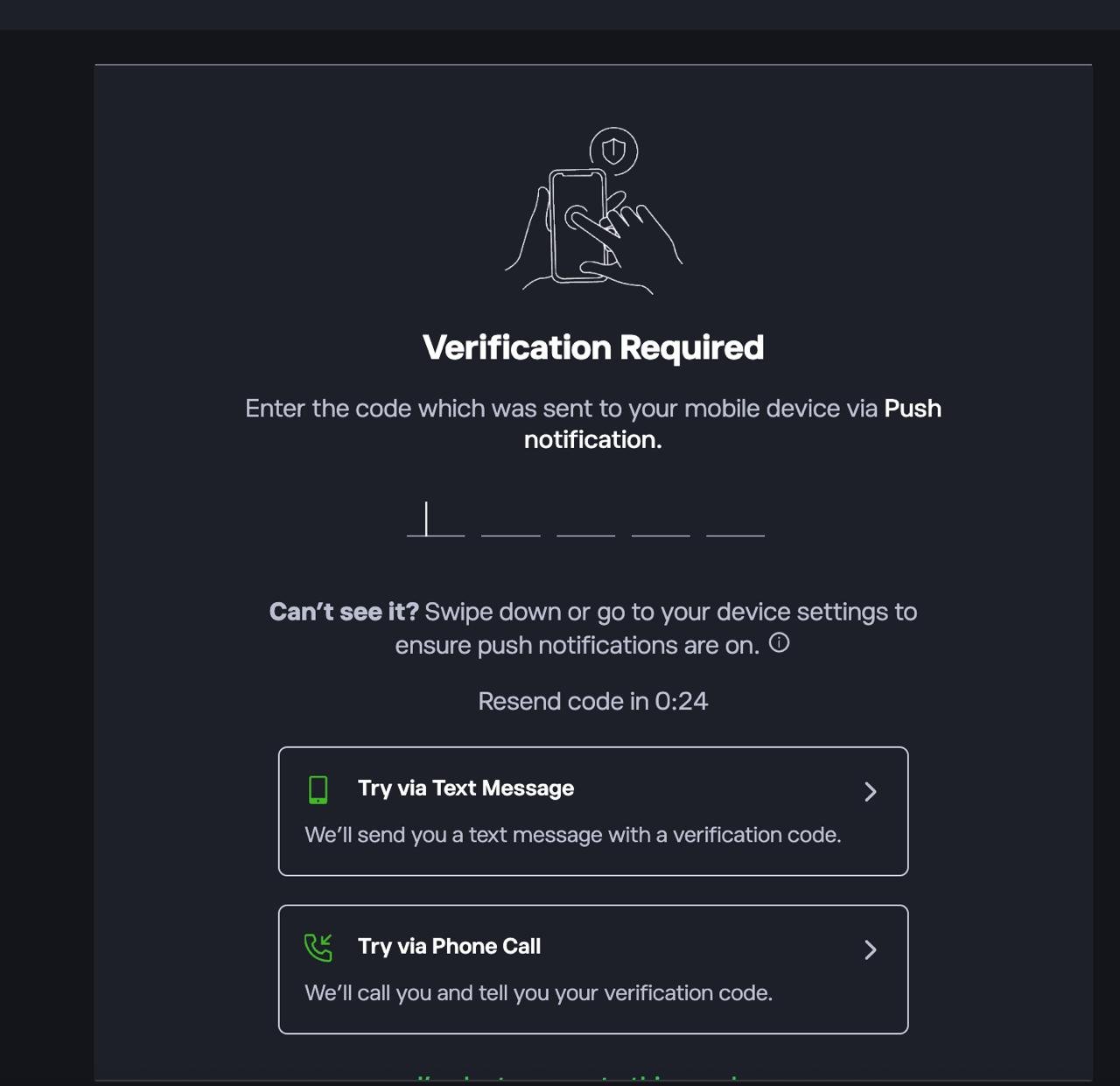
If prompted, complete 2FA by entering the code sent via push notification, SMS, or phone call.
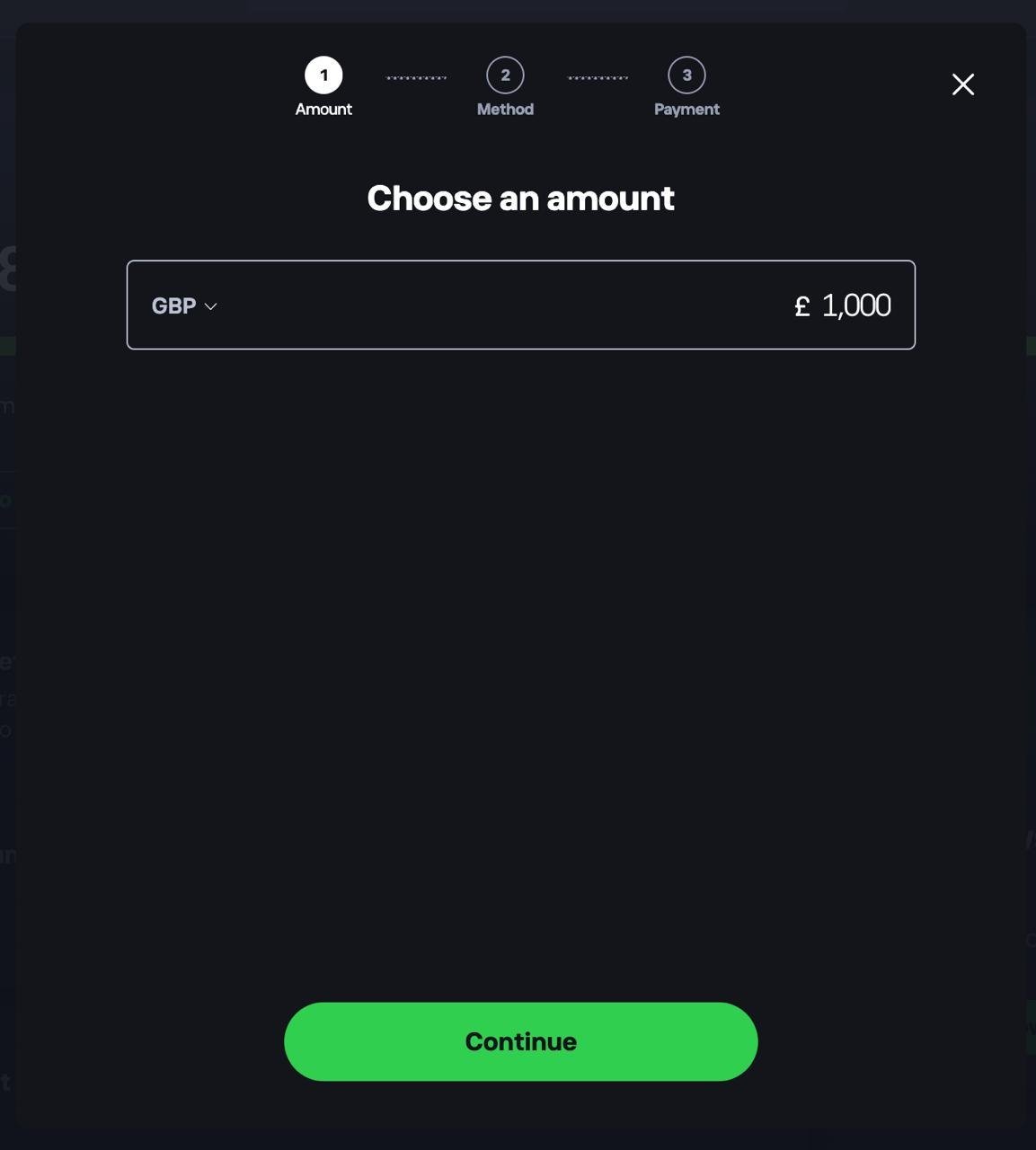
2. Deposit funds into your account
Head to your dashboard and choose to add funds. Select your currency, enter the amount you want to deposit, tap Continue, then choose a payment method.
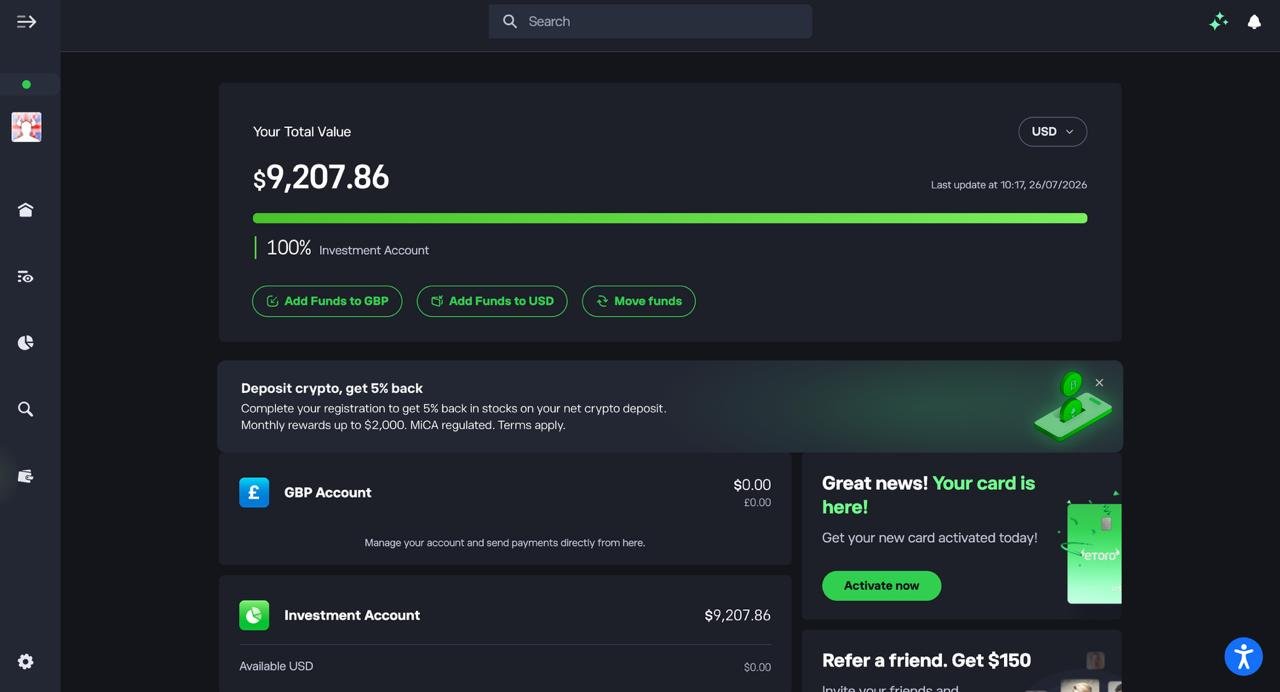
3. Confirm your funds are available
Check your dashboard to make sure your deposit has landed in your Investment Account before you start trading.
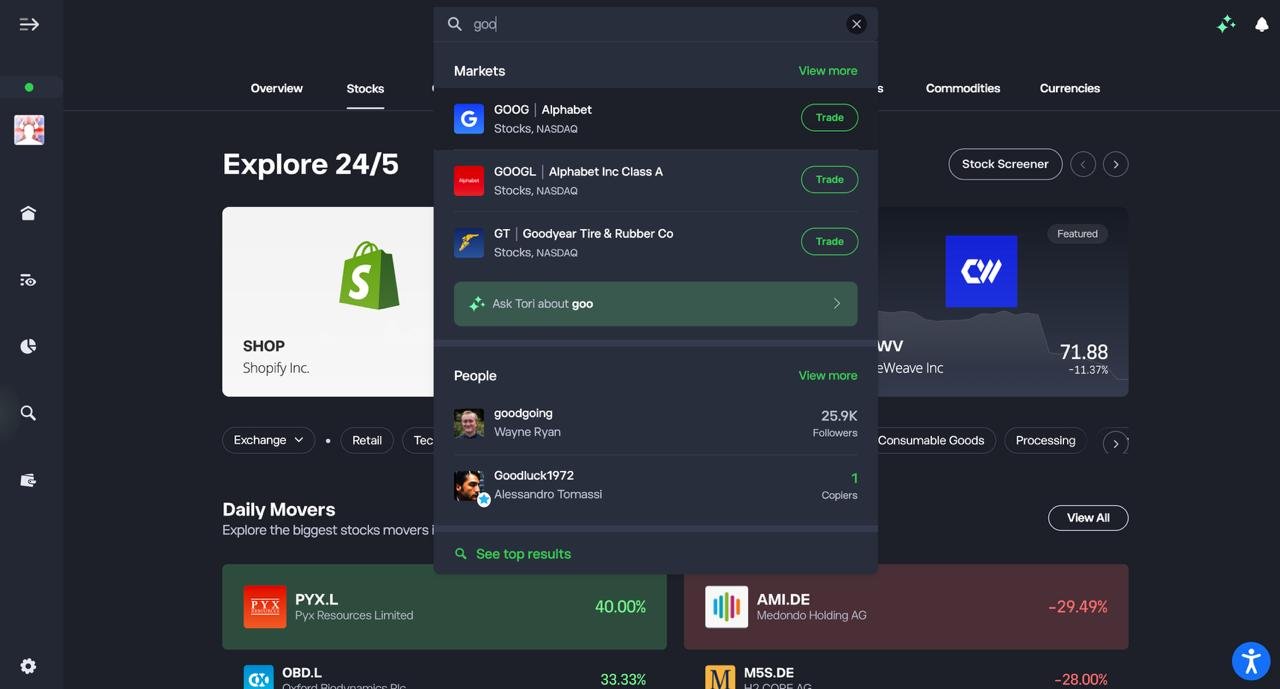
4. Search for the stock you want to trade
Use the search bar to type in the ticker or company name, then select it from the Markets results.
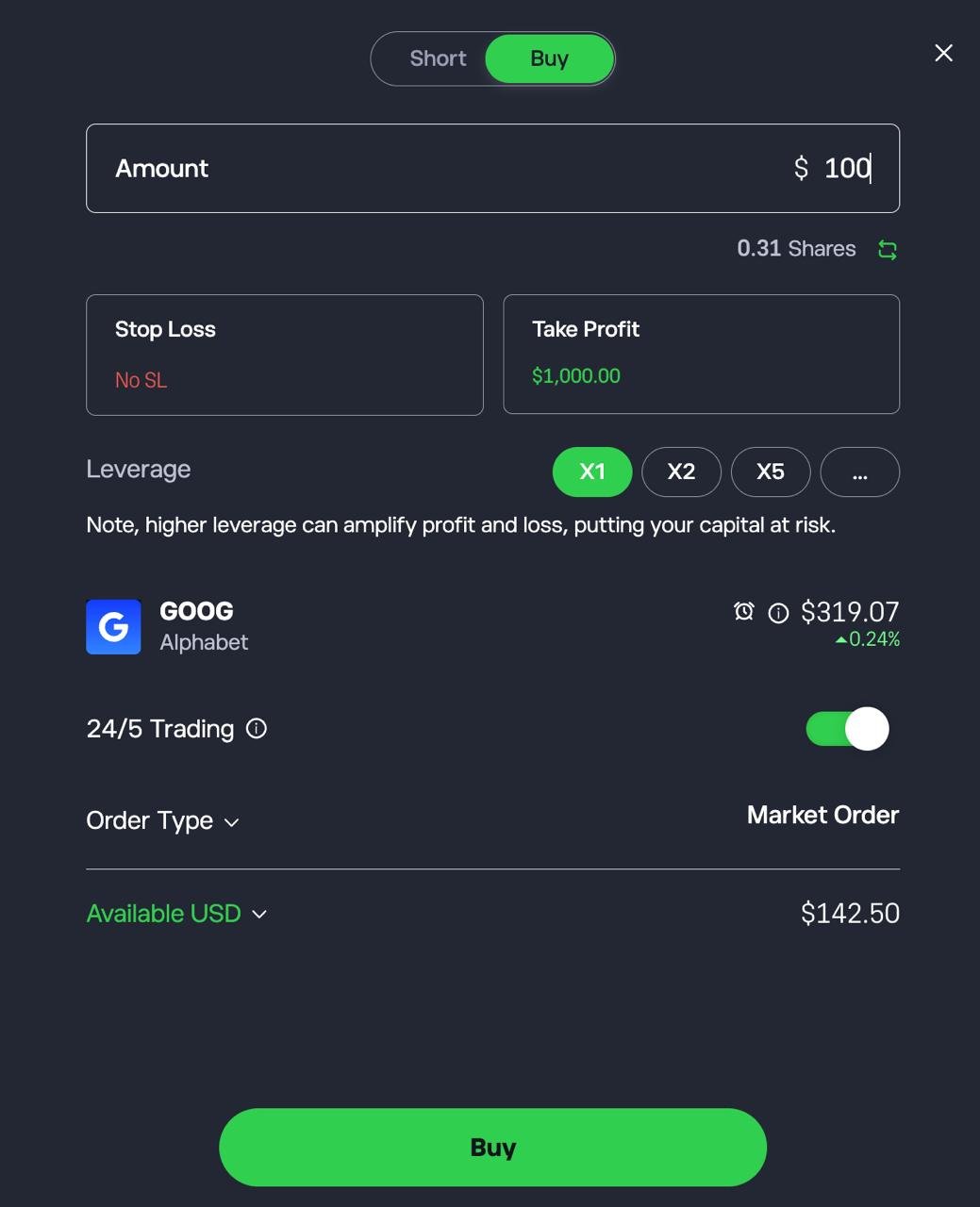
5. Set up and confirm your trade
Choose Buy or Short, enter the amount you want to invest, optionally set a Stop Loss and Take Profit, then tap Buy or Short to confirm.
What is copy trading?
Copy trading is a form of automated trading where your account automatically mirrors the trades of another trader in real time. When the trader you follow opens, modifies or closes a position, the same action is executed proportionally in your account.
In Australia, copy trading is typically offered through CFD brokers regulated by ASIC, which means trades often involve leveraged derivatives rather than direct ownership of shares or crypto. A Contract for Difference (CFD) is a derivative that lets you speculate on price movements without owning the underlying asset.
Key characteristics:
- Positions are copied proportionally based on your allocated capital
- You can usually stop copying at any time
- Risk levels depend entirely on the trader you follow
- Most copy trading activity in Australia involves forex and index CFDs
Important: Copy trading does not reduce risk. If the strategy uses leverage, martingale techniques or high concentration in one asset, your account inherits that risk profile. ASIC leverage caps apply to retail clients, but losses can still be significant.
If you’re new to trading altogether, you might want to start with our guide on learning how to trade before diving into copy strategies.
How does copy trading work?
Copy trading works by linking your trading account to a strategy provider so trades are mirrored automatically and proportionally. Here’s the typical process in Australia:
Step 1: Choose a platform
Open an account with an ASIC-regulated broker that offers copy functionality. Complete identity verification under Australia’s AML/CTF rules. You can get started on your phone with a trading app or choose a desktop platform.
Step 2: Review trader statistics
Before copying, you can usually see:
- Historical performance
- Maximum drawdown
- Risk score
- Asset allocation
- Average trade duration
- Win rate
Maximum drawdown is especially important. It shows the largest historical peak-to-trough loss. A trader with 60% annual returns but 50% drawdowns carries high volatility risk.
Step 3: Allocate capital
You choose how much to allocate to the strategy. For example:
- You allocate AUD 2,000
- The trader risks 2% of their account on a position
- Your account mirrors the same 2% risk proportionally
Some platforms allow fixed lot copying. Others use equity-based proportional sizing.
Step 4: Trades are executed automatically
When the trader opens or closes a position:
- The system sends the same instruction to your account
- Execution depends on liquidity and slippage
- Spread, commission and swap costs apply
If the strategy holds positions overnight, swap fees apply. For CFDs, triple swap charges often apply mid-week depending on the asset class.
Step 5: Ongoing risk management
Most platforms allow you to:
- Set maximum loss limits
- Stop copying instantly
- Close individual copied trades manually
However, if the strategy uses high leverage, aggressive averaging, or illiquid trading sessions, risk can escalate quickly.
Is copy trading legal in Australia?
Yes. Copy trading is legal in Australia when offered through an ASIC-regulated broker operating under an Australian Financial Services Licence. Most copy trading for Australians involves leveraged CFDs, which are subject to ASIC retail leverage caps such as 30:1 on major FX pairs and 2:1 on crypto CFDs, and there is no government capital guarantee.
Is copy trading profitable?
Copy trading can be profitable, but most retail CFD traders lose money. Profitability depends on the trader’s strategy, drawdown control, leverage use and market conditions, not just headline returns. Past performance does not predict future results, and high returns usually come with high volatility.
None of the major platforms publish a specific “percentage of copiers who profit” figure separate from their standard CFD risk warning, and those warnings aren’t encouraging on their own: eToro discloses that 52% of retail investor accounts lose money trading CFDs with it, Pepperstone discloses 79.6%.
What are the risks of copy trading?
The main risks are leverage risk, drawdown risk, strategy concentration and slippage. If the copied trader uses aggressive leverage, martingale sizing or concentrated positions, your account mirrors that exposure proportionally. Market gaps, overnight financing costs and platform execution differences can also impact outcomes.
Copy trading vs manual trading
Copy trading automates execution by mirroring another trader’s decisions, while manual trading requires you to analyse markets and place every trade yourself. Copy trading reduces decision workload but not market risk. Manual trading provides full control but demands time, experience and discipline.
Copy trading vs social trading
The two get used interchangeably, but they’re not the same thing. Copy trading is the automated part: your account mirrors another trader’s positions in real time and proportion to your balance, with no manual input required once you’ve selected who to follow.
Social trading is the broader layer around it, performance feeds, trader profiles, sentiment and analysis that you can act on or ignore. eToro’s CopyTrader is a copy trading tool that sits inside a wider social trading platform; ZuluTrade and DupliTrade are closer to pure copy trading execution engines with less of a community layer built around them.
Forex copy trading vs stock copy trading
The two behave differently because of what’s underneath them. Forex and other CFD copy trading is leveraged by default and subject to ASIC’s retail leverage caps, up to 30:1 on major currency pairs, down to 5:1 on shares and 2:1 on crypto-assets, so small price moves are amplified and positions tend to be shorter-term.
Stock and ETF copy trading, where it’s offered as real ownership rather than a CFD (eToro allows this at 1x leverage), behaves more like copying a buy-and-hold portfolio: no leverage, no funding costs, and outcomes that track the underlying asset’s actual price rather than a magnified version of it.
Is there a minimum capital required for copy trading?
Most ASIC-regulated brokers require a minimum deposit of around AUD equivalent of USD 100 to USD 300, though some raw-spread brokers require USD 200 or more. Sensible diversification usually requires more than the bare minimum, especially if copying multiple traders. Smaller balances can be heavily impacted by spreads and financing costs.
Can you lose more than you invest when copy trading?
Retail clients under ASIC rules generally have negative balance protection, meaning you cannot lose more than the funds in your account. However, you can lose your entire deposited capital. Professional clients may not receive the same protections.
What are the tax implications of copy trading in Australia?
Profits and losses from CFD copy trading are generally taxable in Australia and must be reported to the ATO.
Depending on circumstances, gains may be treated as capital gains or trading income. Brokers do not withhold tax, so accurate record keeping is essential. This isn’t tax advice, individual circumstances vary, so it’s worth confirming treatment with a registered tax agent or the ATO directly.
Who is copy trading suitable for?
Copy trading suits investors who want market exposure but lack time to trade actively. It is more appropriate for those comfortable assessing drawdowns and leverage risk. It is not suitable for long-term passive investors seeking low-cost ETF ownership.
Key risks Australians should understand
- Leverage magnifies losses
- Most retail CFD traders lose money
- There is no government capital guarantee for CFD trading in Australia
- Performance data is historical and not predictive
- Slippage can cause differences between master and copied trades
Copy trading simplifies execution. It does not remove market risk.
Final verdict: Which copy trading platform should you choose?
For most Australians, eToro remains the best overall copy trading platform in 2026. It offers the most complete built-in social investing experience, clear risk scores, transparent performance data and a simple app that doesn’t rely on third-party signal providers.
If cost is your priority, Pepperstone and IC Markets stand out for ultra-tight raw spreads and fast execution, making them better suited to active FX-focused copiers. AvaTrade sits in the middle, appealing to beginners who prefer fixed spreads and a straightforward mobile copy app.
All four operate under ASIC-regulated Australian entities, but copy trading still involves leveraged CFDs in many cases, and most retail traders lose money. The right choice depends on your experience level, cost sensitivity and whether you want a native social platform or institutional-style trading infrastructure.
FAQs
Is copy trading allowed in Australia?
Yes. Copy trading is allowed in Australia when offered through an ASIC-regulated broker operating under an Australian Financial Services Licence. Most copy trading available to Australians involves leveraged CFDs, which are subject to retail leverage caps and negative balance protection rules.
What is the best copy trading platform in Australia for beginners?
For beginners, eToro is generally the most accessible due to its built-in CopyTrader system, transparent risk scores and simple interface. Platforms relying on MT4 signal integrations are better suited to experienced users.
Is copy trading safe in Australia?
Copy trading is only as safe as the broker and the strategy you choose. ASIC regulation requires client fund segregation and leverage limits, but it does not guarantee profits or prevent losses. Risk depends on drawdown control and leverage exposure.
How much money do I need to start copy trading?
Most platforms require around AUD equivalent of USD 100 to USD 300 minimum deposit. However, copying multiple traders responsibly often requires more capital to diversify properly.
Can I stop copy trading at any time?
Yes. You can typically stop copying instantly and close open positions manually. However, closing trades may lock in losses depending on market conditions.
Is copy trading good for beginners?
It can reduce decision fatigue, but it does not reduce market risk. Beginners must still understand leverage, drawdowns and position sizing before allocating capital.
Can I copy more than one trader?
Yes. Diversifying across multiple traders can reduce concentration risk, though it does not eliminate market risk.
