

Using our evaluation of automation tools, execution reliability, and platform flexibility, the best automated trading platforms in Australia in 2026 are Interactive Brokers for advanced algorithmic trading, Pepperstone for forex automation with Expert Advisors, eToro for copy trading, Moomoo for no-code stock automation, and IG for multi-asset CFD automation.
These platforms allow traders to automate strategies using APIs, algorithmic tools, or copy trading systems, helping remove emotion from trading decisions.
Automated trading platforms should be chosen based on strategy control, supported assets, fees, and the type of automation available.
Some platforms support fully programmable algorithmic trading, while others focus on simplified automation or copy trading for hands-off investors.
- CopyTrading lets you mirror experienced investors' trades
- Multi-asset access: stocks, crypto, ETFs, forex, commodities
- Beginner-friendly interface with social/community sentiment feed
Capital at risk. T&Cs apply.
Top automated trading platforms in Australia (2026)
- Best for advanced algorithmic traders: Interactive Brokers offers API-based automation, powerful algorithmic trading tools, and access to global markets, making it suitable for experienced traders running complex strategies.
- Best for forex automation and Expert Advisors: Pepperstone supports Expert Advisors (EAs) on MetaTrader platforms, alongside raw spreads and fast execution for automated forex strategies.
- Best for copy trading and hands-off automation: eToro allows traders to automatically replicate the portfolios of experienced investors, making it one of the easiest ways to automate trading decisions.
- Best for no-code automation and stock trading: Moomoo provides automation tools and analytics suited to stock traders, with support for ASX and international markets through a modern trading interface.
- Best for multi-asset CFD automation: IG offers broad market coverage and strong research tools, allowing traders to automate strategies across forex, indices, and other CFD markets.
Key considerations when choosing an automated trading platform in Australia
- Automation type: Some platforms support algorithmic trading via APIs or scripting, while others focus on copy trading or rule-based automation.
- Fees and spreads: Automated strategies often execute many trades, so low spreads and commissions are important for long-term profitability.
- Supported assets: Ensure the platform supports the markets you want to automate, such as forex, stocks, indices, or CFDs.
- Platform compatibility: Some automation tools require specific platforms such as MetaTrader, proprietary trading platforms, or API integrations.
- Regulation: Choose brokers operating under ASIC oversight, which helps ensure compliance with Australian financial services regulations.
What are the best automated trading platforms in Australia in 2026?
| Platform | Automation Type | Key Markets | Typical Costs (Indicative) | Best For |
|---|---|---|---|---|
| Interactive Brokers | API trading, TWS algos, basket automation | Global stocks, ETFs, forex, futures, options, bonds (90+ exchanges) | ASX from 0.08% (min $6); US stocks from US$0.005/share; FX from 0.1 pip equivalent | Advanced algorithmic & quantitative traders |
| Pepperstone | MT4/MT5 Expert Advisors, cTrader Automate | Forex, indices, commodities, share CFDs, crypto CFDs | Razor: spreads from 0.0 pips + $7 round turn per lot; Standard: spreads from ~0.6 pips | Forex traders using EAs & scalping systems |
| IG | MT4 EAs, ProRealTime, API access | 18,000+ CFDs, forex, indices, commodities, shares | FX from ~0.6–0.9 pips; S&P 500 from 0.4; ASX shares $8 or 0.1%; 0.7% FX fee on global shares | Multi-asset CFD automation with broad coverage |
| eToro | CopyTrader, Smart Portfolios | Stocks, ETFs, forex, indices, crypto | 0% commission on shares; FX spreads from ~1.0 pip; 1% crypto fee; withdrawal & FX conversion fees apply | Social copy trading & hands-off investors |
| Moomoo | No-code algo builder, auto-invest plans | ASX & US stocks, ETFs, options, crypto | ASX from $3 or 0.03%; US from US$0.99; FX conversion spread applies | Stock-focused automation & direct ASX access |
Best automated trading platform Australia reviews
These reviews break down the best automated trading platforms in Australia, comparing automation tools, execution quality, fees, and which platforms suit different types of traders.
1. eToro – Best for copy trading and hands-off social automation

Platform overview
| Feature | Details |
|---|---|
| Australian Entity | eToro AUS Capital Ltd |
| Licence | AFSL 491139 (ASIC regulated) |
| Founded | 2007 |
| Global Users | 10+ million |
| Automation Type | CopyTrader, Smart Portfolios |
| Minimum Deposit (AU) | US$50 |
| Stock Commission (AU) | US$2 per trade |
| ETF Commission | 0% |
| Forex Spread (EUR/USD) | From 1.0 pip |
| Crypto Fee | 1% per trade |
| Withdrawal Fee | US$5 |
| Inactivity Fee | US$10 per month after 12 months |
| Demo Account | US$100,000 virtual portfolio |
| Platform | Proprietary Web & Mobile App |
Is the platform regulated and licensed in Australia?
Yes. eToro operates in Australia through eToro AUS Capital Ltd under AFSL 491139, regulated by ASIC. Client funds are segregated and retail CFD leverage caps apply, with negative balance protection for retail clients. There is no statutory investor compensation scheme in Australia, and crypto assets are not protected.
eToro is publicly listed on Nasdaq, adding an extra layer of transparency. Regulation improves oversight, but leveraged CFD trading remains high risk.
What types of automation tools and strategy options does the platform support?
eToro focuses on social automation rather than algorithmic coding. Its core copy trading platform tool, CopyTrader, lets users automatically replicate another trader’s portfolio in real time, with a US$200 minimum per copied trader.
Smart Portfolios bundle assets or top traders into themed strategies, with minimum investments starting from US$500. There is no MT4, MT5, API access or custom bot support. Automation is portfolio-based, not system-based.
How competitive are the spreads, commissions, and total trading costs?
Share trading is competitive. Australian and global stocks cost US$2 per trade, while ETFs are commission-free. Forex spreads start from 1.0 pip, and index CFD spreads are around 1.0 on major indices.
Crypto trading carries a 1% fee plus spread. The main cost for Australians is the 1.5% currency conversion fee when funding in AUD. There is also a US$5 withdrawal fee and a US$10 monthly inactivity fee after 12 months. Long-term investors will find costs reasonable, but frequent CFD traders need to factor in spreads and overnight financing.
What risk management controls and safety features are built in?
eToro includes adjustable allocation limits, stop-loss and trailing stop-loss orders, and a transparent risk score system rating traders from 1 to 10. Users can stop copying instantly.
Security features include two-factor authentication, SSL encryption and segregated client accounts. Retail traders receive negative balance protection. Performance transparency is strong, but losses remain possible if copied traders underperform.
What markets and asset classes can you automate trades across?
Automation applies across stocks, ETFs, forex, commodities, indices and cryptocurrencies. eToro offers 3,000+ stocks across 17 exchanges, 250+ ETFs, 56 currency pairs, major global indices, commodity CFDs and over 140 cryptocurrencies.
Non-leveraged stock and ETF positions are held as real assets. Leveraged and short positions are traded as CFDs.
Who is this platform best for?
eToro suits beginners and time-poor investors who want guided, multi-asset exposure without building their own trading systems. It is especially strong for copy trading and diversified portfolios.
It is less suitable for advanced algorithmic traders, high-frequency scalpers or those wanting MT4, MT5 or API-based automation.
Read the complete eToro review here.
Pros and cons
- ASIC regulated (AFSL 491139)
- Market-leading copy trading tools
- 0% ETF commission
- Broad multi-asset access
- User-friendly platform
- No MT4/MT5 or API trading
- 1.5% currency conversion fee
- US $5 withdrawal fee
- CFD spreads average
- Limited advanced research tools
2. Interactive Brokers – Best for advanced algorithmic traders and API-based automation
Platform overview
| Feature | Details |
|---|---|
| Australian Entity | Interactive Brokers Australia Pty Ltd |
| Licence | AFSL 453554 (ASIC regulated) |
| Parent Company | Interactive Brokers Group (NASDAQ: IBKR) |
| Founded | 1977 (AU presence since 1997) |
| Automation Type | API trading, TWS algos, IBKRATS |
| Minimum Deposit | $0 (cash account) |
| ASX Brokerage (Fixed) | 0.08% or min. $6 |
| US Brokerage (Fixed) | US$0.005/share (min. $1) |
| Forex Spreads | From 0.1 pip (raw) |
| Inactivity Fee | None |
Is the platform regulated and licensed in Australia?
Yes. Interactive Brokers Australia Pty Ltd holds AFSL 453554 and is regulated by ASIC. It is also a participant of ASX and Cboe Australia.
Client funds are held in segregated trust accounts. Brokerage accounts are not covered by the government’s $250,000 bank guarantee, but the parent company is publicly listed on NASDAQ and operates under multiple tier-1 regulators globally.
What types of automation tools and strategy options does the platform support?
IBKR is built for algorithmic traders.
Automation includes:
- 90+ advanced order types in Trader Workstation (VWAP, TWAP, Adaptive, conditional orders)
- IBKRATS smart routing
- Full API access (Python, Java, C++, ActiveX, DDE)
- Recurring automated investments
- Basket trading
There’s no MT4 or MT5 integration. Everything runs through IBKR’s proprietary ecosystem, which offers far more control than copy-trading platforms.
How competitive are the spreads, commissions, and total trading costs?
IBKR is one of the lowest-cost brokers in Australia.
- ASX stocks: 0.08% or $6 minimum (fixed plan).
- US stocks: US$0.005 per share, min US$1.
- Tiered pricing drops as volume increases.
Forex commissions start around 0.08–0.20 basis points, with spreads from 0.1 pip. FX conversion is roughly 0.002% with a US$2.20 minimum. There are no inactivity or platform fees.
For active or high-value traders, pricing is exceptionally competitive.
What risk management controls and safety features are built in?
Risk tools are institutional-grade.
- Real-time margin monitoring
- Portfolio stress testing (Risk Navigator)
- Advanced stop and conditional logic
- Two-factor authentication
- Segregated client accounts
- Negative balance protection for retail CFD clients
Margin rates are among the lowest in the market, but leverage remains high risk.
What markets and asset classes can you automate trades across?
IBKR provides access to 90+ exchanges and 150+ markets.
You can automate across:
- Australian and global stocks
- 13,000+ ETFs
- 100+ forex pairs
- Futures and options on major exchanges
- 30,000+ bonds
- Stock and index CFDs (eligible clients)
- Bitcoin futures and spot crypto (via approved partners)
Few Australian brokers offer this scale with full API support.
Who is this platform best for?
Best for:
- Algorithmic and quantitative traders
- High-volume active traders
- Investors seeking global diversification
- SMSF trustees wanting international exposure
Less suited to:
- Casual, app-only investors
- Copy-trading users
- Beginners are unwilling to learn a complex platform
Interactive Brokers is powerful, global and cost-efficient. It rewards experience and strategy, but it doesn’t simplify trading for you.
Read the complete Interactive Brokers review here.
Pros and cons
- ASIC regulated (AFSL 453554)
- Full API and algo support
- Extremely low commissions
- 90+ global exchanges
- No inactivity fees
- Steep learning curve
- Complex fee structure
- No MT4/MT5
- Custodian model for ASX shares
- FX minimum conversion fee
3. Moomoo – Best for no-code algorithm builders and CHESS-sponsored ASX trading
Platform overview
| Feature | Details |
|---|---|
| Australian Entity | Moomoo Securities Australia Ltd |
| Licence | AFSL 224663 (ASIC regulated) |
| Parent Company | Futu Holdings Ltd (NASDAQ: FUTU) |
| Global Users | 24+ million |
| Markets Available | 22,000+ instruments |
| Minimum Deposit | $0 (accounts from $1) |
| ASX Brokerage | $3 or 0.03% (whichever higher) |
| US Brokerage | From US$0.99 per trade |
| Options Fees (US) | From US$0.50 per contract |
| Auto-Invest | From US$10/month |
| CHESS Sponsorship | Yes |
| Platform | Web, Desktop, Mobile |
Is the platform regulated and licensed in Australia?
Yes. Moomoo Securities Australia Ltd holds AFSL 224663 and is regulated by ASIC. Australian client funds are held in segregated accounts, and ASX trades are CHESS sponsored, meaning shares are registered in your name on the ASX subregister.
The parent company, Futu Holdings, is NASDAQ-listed, adding transparency through public reporting. There is no Australian investor compensation scheme for brokers, but regulatory oversight is solid.
What types of automation tools and strategy options does the platform support?
Moomoo offers accessible, retail-focused automation.
- Auto Invest plans from US$10 per month
- Drag-and-drop Algo Builder with no coding required
- Backtesting against historical data
- Recurring AUD and USD investments
- Paper trading for strategy testing
The Algo tool lets users create rule-based strategies visually and test them before deploying capital. It is practical and beginner-friendly, though not designed for institutional API-driven trading.
How competitive are the spreads, commissions, and total trading costs?
Pricing is competitive for equity investors.
ASX trades cost $3 or 0.03% (GST inclusive), whichever is higher. US trades start from US$0.99 per order. Options cost from US$0.50 per contract.
Auto-invest costs $9.90 per month for unlimited Australian trades, or US$0.99 or 0.99% (whichever lower) for US plans.
AUD–USD conversions include a 50 pip spread. There are no inactivity fees, though bank transfer withdrawals may incur handling fees. For stock investors, overall costs are low.
What risk management controls and safety features are built in?
Moomoo includes:
- Stop, stop-limit and trailing orders
- Real-time alerts
- Market depth monitoring
- Pattern recognition tools
- Paper trading
- Two-factor authentication
Cash accounts do not use leverage, which reduces structural risk. CHESS sponsorship adds an extra ownership safeguard for ASX holdings.
What markets and asset classes can you automate trades across?
Moomoo provides access to:
- ASX stocks and ETFs
- US stocks, ETFs and fractional shares
- Hong Kong equities
- US options
- Selected futures
- Cryptocurrencies
Forex, bonds and CFDs are not offered. The platform is focused on equities and listed derivatives rather than full multi-asset trading.
Who is this platform best for?
Best for:
- Cost-conscious share investors
- Beginners wanting structured automation
- Options traders
- Investors who value CHESS sponsorship
Less suited to:
- Forex or bond traders
- Institutional algo developers
- Traders needing API-level automation
Moomoo strikes a practical balance between simplicity and functionality. It is not an institutional trading engine, but for stock-focused automation in Australia, it is a strong retail option.
Read the complete Moomoo review here.
Pros and cons
- ASIC regulated (AFSL 224663)
- CHESS-sponsored ASX trading
- Low brokerage from $3
- Drag-and-drop algo builder
- No inactivity fees
- No forex or bonds
- No open API
- FX conversion spread
- Limited account types
- Bank transfer withdrawal fees
4. Pepperstone – Best for forex traders using Expert Advisors (EAs) and raw spreads

Platform overview
| Feature | Details |
|---|---|
| Australian Entity | Pepperstone Group Limited |
| Licence | AFSL 414530 (ASIC regulated) |
| Founded | 2010 (Melbourne) |
| Core Focus | Forex & CFD trading |
| Platforms | MT4, MT5, cTrader, TradingView, Pepperstone App |
| Automation Support | Expert Advisors (EAs), cTrader Automate, API |
| Minimum Deposit | $0 (recommended $200) |
| Forex Spreads (Razor) | From 0.0 pips |
| Commission (Razor) | $3.50 per lot per side (MT4/MT5) |
| Index CFD Spread (S&P 500) | From 0.4 |
| Inactivity Fee | $0 |
| Withdrawal Fee (AU) | $0 |
Is the platform regulated and licensed in Australia?
Yes. Pepperstone Group Limited holds AFSL 414530 and is regulated by ASIC. It also operates under multiple tier-one regulators globally, including the FCA and CySEC.
Australian client funds are held in segregated trust accounts. Retail clients receive negative balance protection, though there is no government-backed investor compensation scheme in Australia.
What types of automation tools and strategy options does the platform support?
Pepperstone is built for system-based trading.
It supports:
- MetaTrader 4 & 5 Expert Advisors (EAs)
- cTrader Automate (C# coding)
- API connectivity
- VPS hosting
- Myfxbook and DupliTrade integrations (jurisdiction dependent)
Scalping and hedging are allowed. The Razor account, with raw spreads from 0.0 pips, is designed for algorithmic and high-frequency traders.
How competitive are the spreads, commissions, and total trading costs?
Pepperstone offers two pricing models.
- Standard account: Spreads from ~0.6 pips on EUR/USD, no commission.
- Razor account: Spreads from 0.0 pips plus $3.50 per lot per side ($7 round turn) on MT4/MT5.
S&P 500 CFD spreads start around 0.4. Stock CFDs cost $0.02 per share (min $0.20). There are no inactivity or Australian withdrawal fees. Overnight financing applies to all CFD positions.
For active forex traders, pricing is competitive.
What risk management controls and safety features are built in?
Pepperstone includes:
- Stop, limit and trailing stop orders
- Margin stop-out protections
- Adjustable leverage (ASIC retail cap 30:1 majors)
- Negative balance protection (retail clients)
- Two-factor authentication
- VPS support for stable automation
Guaranteed stop losses are not available. As with all CFDs, slippage and gaps can occur in volatile markets.
What markets and asset classes can you automate trades across?
All products are traded via CFDs.
Available markets include:
- 90+ forex pairs
- 20+ global indices
- 1,200+ share CFDs
- Commodities (gold, oil, softs)
- 20+ cryptocurrency CFDs
- ETF CFDs
You cannot purchase real shares or ETFs. The focus is short- to medium-term leveraged trading.
Who is this platform best for?
Best for:
- Forex traders running Expert Advisors
- Scalpers and systematic traders
- Traders needing raw spreads and fast execution
Less suited to:
- Long-term investors
- Traders wanting CHESS-sponsored shares
- Investors seeking non-CFD assets
Pepperstone is a specialist forex and CFD broker. For automated, leveraged trading strategies, it’s one of the stronger Australian options, but it’s not built for traditional investing.
Read the complete Pepperstone review here.
Pros and cons
- ASIC regulated (AFSL 414530)
- Raw spreads from 0.0 pips
- Full EA and algo support
- No inactivity or AU withdrawal fees
- Strong execution model
- CFDs only
- No guaranteed stops
- Overnight funding costs
5. IG – Multi-asset CFD automation with pro-grade platforms
Platform overview
| Feature | Details |
|---|---|
| Australian Entity | IG Australia Pty Ltd |
| Licence | ASIC regulated (AFSL held by IG Australia) |
| Parent Company | IG Group Holdings plc (LSE: IGG) |
| Founded | 1974 (AU since 2002) |
| Core Focus | CFDs, Forex, Shares |
| Markets | 18,000+ instruments |
| Forex Spread (EUR/USD) | From 0.6–0.9 pips |
| Index CFD Spread (S&P 500) | From 0.4 |
| ASX Share Trading | $8 or 0.1% (lower with activity) |
| Global Shares | $0 commission + 0.7% FX fee |
| Minimum Deposit | $0 (bank transfer) |
| Inactivity Fee (CFD) | After 24 months |
| Platforms | IG Web, MT4, ProRealTime, TradingView |
Is the platform regulated and licensed in Australia?
Yes. IG Australia Pty Ltd is regulated by ASIC and operates under an Australian Financial Services Licence. IG Group is publicly listed on the London Stock Exchange, which adds financial transparency and regular reporting obligations.
Client funds are held in segregated trust accounts with major Australian banks. There is no government-backed investor compensation scheme in Australia, but IG’s long operating history and multi-jurisdictional regulation strengthen its credibility.
What types of automation tools and strategy options does the platform support?
IG supports system-based automation rather than copy trading.
Automation options include:
- MetaTrader 4 Expert Advisors (EAs)
- ProRealTime for strategy design and backtesting
- API connectivity (eligible clients)
- TradingView integration
- Advanced price and indicator alerts
Its proprietary web trading platform is strong for discretionary trading, while MT4 and ProRealTime handle algorithmic execution. There is no built-in copy-trading network.
How competitive are the spreads, commissions, and total trading costs?
IG is competitive, though not the cheapest.
Forex spreads start around 0.6–0.9 pips on EUR/USD. Index CFD spreads are low, with the S&P 500 from 0.4. Share CFD commissions start from $7 per side (0.08% or higher).
For direct share trading:
- ASX shares: $8 or 0.1% per trade (lower with activity)
- Global shares: $0 commission but 0.7% FX conversion fee
There are no standard deposit or withdrawal fees. CFD inactivity fees apply only after two years.
Costs are reasonable for forex and indices, but stock CFD and FX conversion fees are higher than some competitors.
What risk management controls and safety features are built in?
IG offers:
- Guaranteed stop-loss orders (premium applies)
- Trailing stops and advanced conditional orders
- Negative balance protection for retail clients
- Margin close-out protections under ASIC rules
- Two-factor authentication
- Real-time alerts
Execution speeds average around 0.014 seconds. Guaranteed stops are a standout feature, though they add cost. As with all leveraged CFDs, losses can exceed expectations if not managed properly.
What markets and asset classes can you automate trades across?
IG provides access to 18,000+ markets, primarily via CFDs:
- 80+ forex pairs
- 80+ global indices
- 13,000+ share CFDs
- 5,000+ ETF CFDs
- Commodities
- Bonds and interest rates
- Cryptocurrency CFDs
Australian clients can also trade real ASX and selected international shares via a custodial model (not CHESS-sponsored).
The breadth of markets is one of IG’s strongest advantages.
Who is this platform best for?
Best for:
- Traders wanting broad CFD market access
- Algorithmic traders using MT4 or ProRealTime
- Investors combining CFDs with direct share trading
- Traders who value guaranteed stops
Less suited to:
- Copy traders
- Ultra-low-cost scalpers
- Investors who require CHESS sponsorship
IG is a large, established broker offering deep market access and solid automation support. It’s not the cheapest provider, but it delivers platform depth, strong regulation and wide product coverage.
Read the complete IG review here.
Pros and cons
- ASIC regulated & LSE-listed parent
- 18,000+ markets
- MT4 & ProRealTime automation
- Guaranteed stop-loss orders
- 0.7% FX fee on global shares
- No native copy trading
- Custodial model for shares
How to place a trade on an Australian automated trading platform?
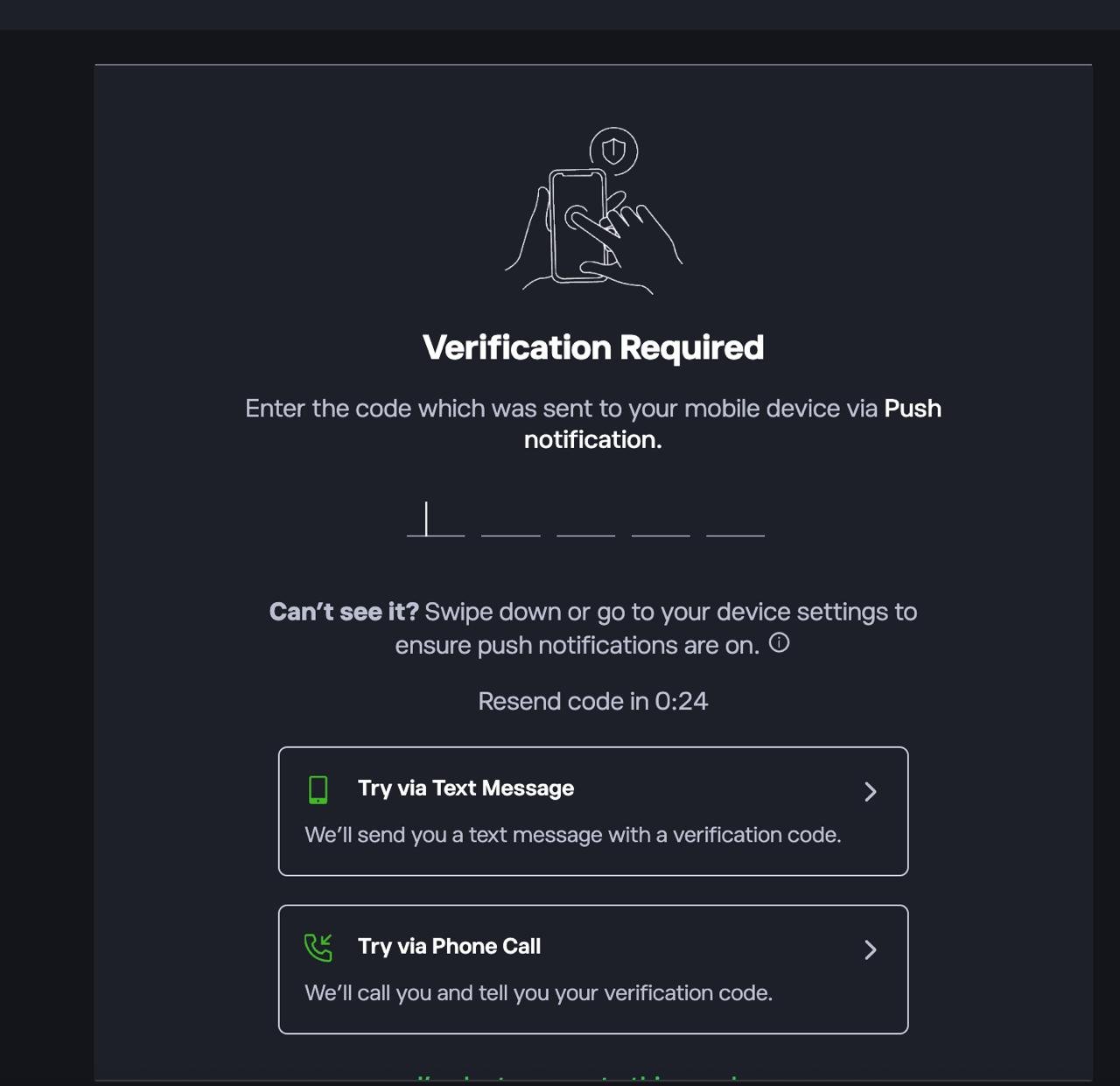
1. Log in to the platform
If prompted, complete 2FA by entering the code sent via push notification, SMS, or phone call.
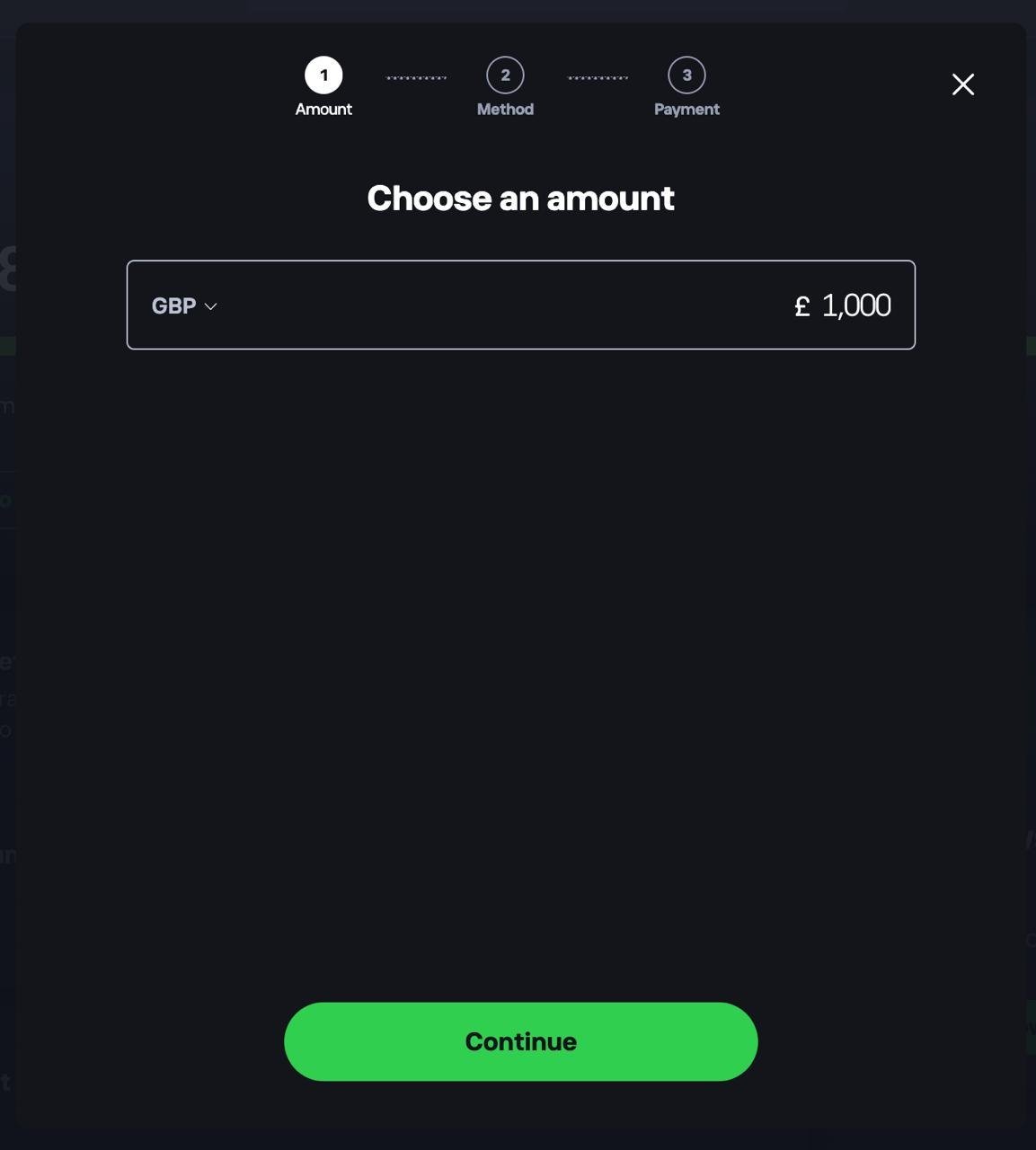
2. Deposit funds into your account
Head to your dashboard and choose to add funds. Select your currency, enter the amount you want to deposit, tap Continue, then choose a payment method.
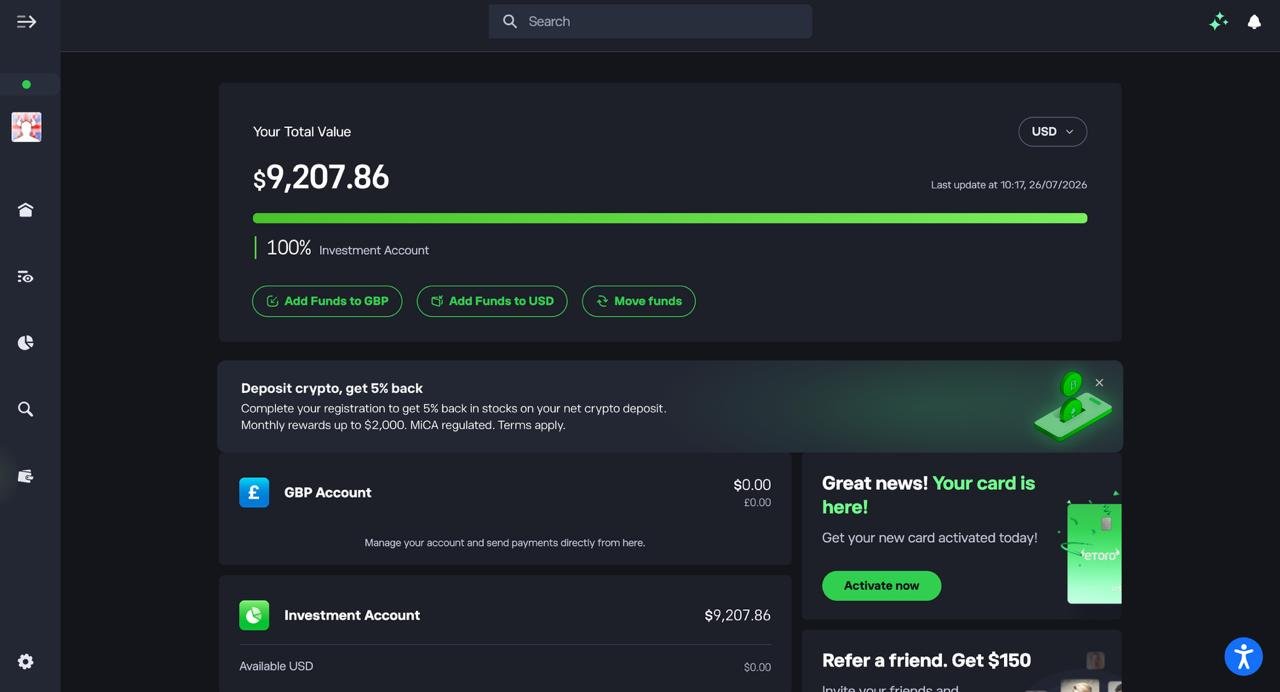
3. Confirm your funds are available
Check your dashboard to make sure your deposit has landed in your Investment Account before you start trading.
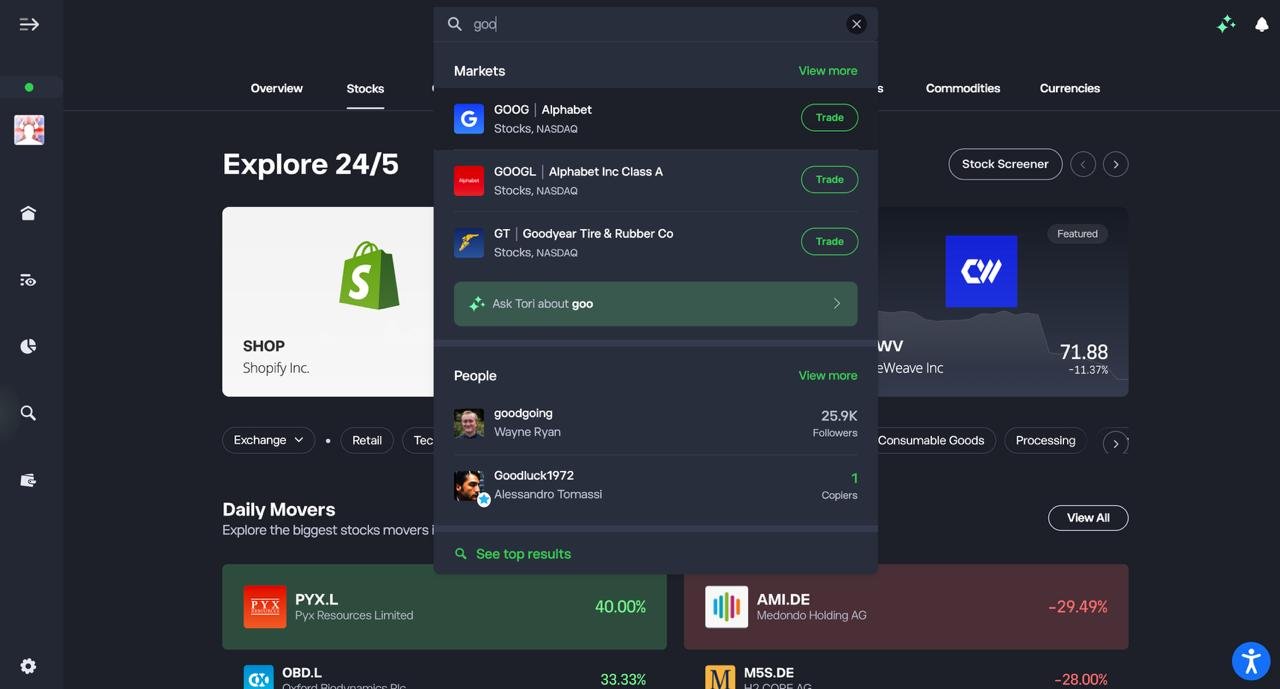
4. Search for the stock you want to trade
Use the search bar to type in the ticker or company name, then select it from the Markets results.
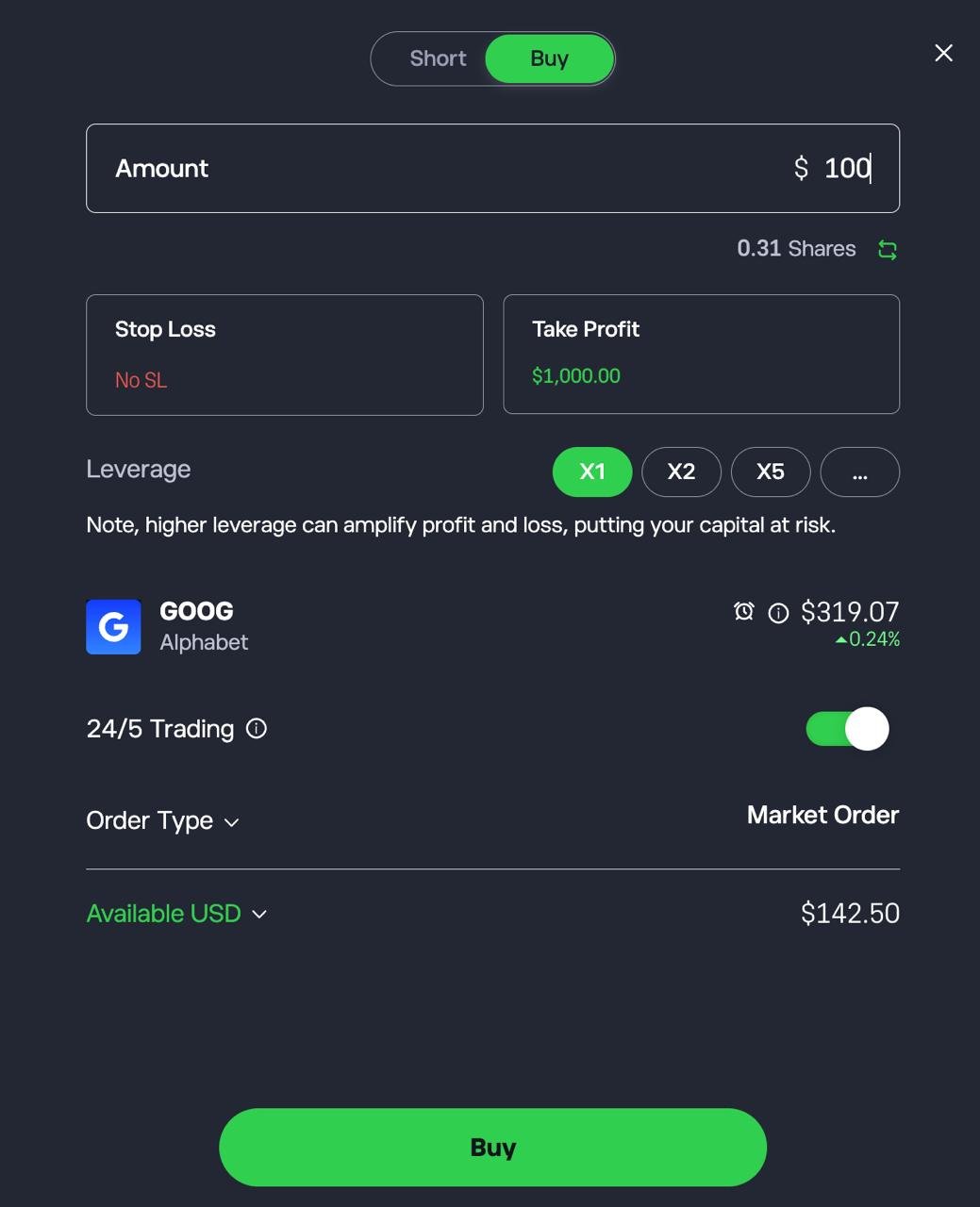
5. Set up and confirm your trade
Choose Buy or Short, enter the amount you want to invest, optionally set a Stop Loss and Take Profit, then tap Buy or Short to confirm.
What is automated trading and how does it work?
Automated trading is the use of pre-programmed rules to execute trades without manual intervention. Instead of clicking buy and sell yourself, you set defined conditions, such as entry price, stop loss, indicators, or time triggers, and the system executes trades automatically when those conditions are met.
At its core, automated trading relies on algorithms. These algorithms can range from simple rule-based instructions (for example, “buy when the 50-day moving average crosses above the 200-day”) to complex quantitative models that analyse multiple data points in milliseconds.
Once activated, the software monitors the market continuously and reacts instantly, something human traders cannot do consistently.
In Australia, automated trading typically operates through:
- MetaTrader Expert Advisors (EAs)
- cTrader Automate (cAlgo)
- API-based algorithmic systems
- No-code strategy builders
- Copy trading platforms
The structure differs depending on the platform. With algorithmic trading, you design or import a strategy. With copy trading, the automation mirrors another trader’s portfolio automatically. With robo-investing, portfolios rebalance based on asset allocation models rather than short-term signals.
The execution process generally follows five steps:
- A trading rule is programmed into the platform.
- The system monitors live market data.
- When conditions are met, an order is generated.
- The broker routes the order to the market or liquidity provider.
- The system manages exits based on stop-loss or take-profit rules.
Because the system removes emotion, automated trading can enforce discipline. It prevents impulsive entries, revenge trading, or hesitation during volatility. However, automation does not remove risk. If the strategy logic is flawed, losses are simply executed more efficiently.
ASIC regulations also apply. Retail traders are subject to leverage caps (30:1 on major forex pairs, lower on other assets), margin close-out rules, and negative balance protection. These constraints affect how automated systems operate, particularly for CFD-based strategies.
Automated trading is most effective when:
- The strategy has been properly backtested
- Execution speed matters (e.g. forex or index CFDs)
- The trader understands risk management
- Costs such as spreads and commissions are tightly controlled
It is least effective when used blindly or without performance monitoring. Markets evolve. A profitable strategy in one volatility regime can underperform in another.
In short, automated trading is not “set and forget.” It is structured execution. The advantage is consistency and speed. The limitation is that the system can only follow the rules you give it.
What is the difference between algorithmic trading and copy trading?
Algorithmic trading and copy trading are both forms of automated trading, but they operate in fundamentally different ways. One relies on code. The other relies on people.
Understanding the distinction matters, especially in Australia where platform choice, ASIC leverage limits, and cost structures can materially affect performance.
Key differences at a glance
| Feature | Algorithmic Trading | Copy Trading |
|---|---|---|
| Decision Maker | Pre-programmed algorithm | Human trader being copied |
| Customisation | Fully customisable strategy logic | Limited to selecting traders |
| Control Level | High – full rule control | Moderate – allocation control only |
| Technical Skill Required | Medium to high | Low |
| Execution Speed | Millisecond-level | Depends on platform mirroring |
| Backtesting Available | Yes | Limited (performance history only) |
| Common Platforms | MT4/MT5, cTrader, API brokers | Social trading platforms |
| Risk Type | Model risk | Behavioural risk |
Algorithmic trading explained
Algorithmic trading uses pre-defined mathematical rules to execute trades automatically. These rules might be based on indicators, price levels, volatility models, arbitrage logic, or statistical patterns.
For example:
- Buy when the 50-day moving average crosses above the 200-day
- Exit when volatility exceeds a threshold
- Trade based on macro data releases
The trader either codes the system (using Python, MQL4/5, C# etc.) or uses no-code strategy builders. Once deployed, the algorithm monitors markets continuously and executes trades without manual input.
The advantages:
- Full control over logic
- Backtesting capability
- Faster execution
- Consistent rule enforcement
The risks:
- Over-optimisation
- Strategy breakdown in new market conditions
- Technical failures
In Australia, algorithmic trading is commonly used in forex and CFD markets, where execution speed and tight spreads matter.
Copy trading explained
Copy trading automates execution by mirroring another trader’s positions. Instead of coding rules, you allocate capital to a chosen trader. When they open or close trades, your account replicates the same moves proportionally.
The appeal is simplicity. There’s no need to build a system. You evaluate:
- Historical returns
- Drawdown levels
- Risk score
- Asset allocation
Then allocate funds accordingly.
The advantages:
- Low technical barrier
- Easy diversification across traders
- Transparent performance history
The risks:
- Behavioural unpredictability
- Strategy drift (the trader changes approach)
- Performance dependency on one person
Copy trading removes coding complexity, but it replaces model risk with human risk.
Control and responsibility
The biggest difference comes down to control.
With algorithmic trading, you are responsible for every parameter. If it fails, the logic is yours.
With copy trading, you outsource decision-making. You control allocation size and risk limits, but not trade selection.
Neither approach eliminates risk. They simply shift where risk sits.
Which is better?
There is no universal answer.
Algorithmic trading suits:
- Technically skilled traders
- Quantitative or systematic strategies
- Traders who want full control
Copy trading suits:
- Beginners
- Time-poor investors
- Traders who prefer delegation
In practice, many experienced traders combine both. They may run algorithmic systems while allocating a portion of capital to external traders for diversification.
What are the risks of automated trading?
Automated trading can improve speed and discipline, but it does not remove risk. In many cases, it concentrates risk because trades are executed instantly and without hesitation. Understanding where automated systems fail is just as important as understanding how they work.
Below is a structured breakdown of the main risks Australian traders should consider before deploying bots, algorithms or copy trading systems.
Key risk overview
| Risk Type | What It Means in Practice |
|---|---|
| Strategy Risk | The algorithm logic is flawed or overfitted to past data |
| Market Regime Risk | Strategy performs poorly when volatility or trends change |
| Execution Risk | Slippage, latency or poor liquidity affect results |
| Leverage Risk | ASIC retail leverage caps still allow amplified losses |
| Over-Optimisation | Backtests look strong but fail in live conditions |
| Technical Failure | VPS outages, API errors or platform crashes |
| Counterparty Risk | Broker failure or operational disruptions |
| Cost Drag | Spreads, commissions and overnight funding erode returns |
1. Strategy risk: Bad logic scales quickly
Automation executes rules perfectly, even if the rules are wrong. If a strategy is poorly designed or based on weak signals, the system will consistently execute losing trades without emotional hesitation. Unlike manual trading, there’s no pause for reflection. Losses can accumulate quickly. Backtesting reduces this risk, but it does not eliminate it.
2. Market regime changes
Many automated strategies perform well in one environment and fail in another. Trend-following systems struggle in sideways markets. Mean-reversion systems fail during strong breakouts. Low-volatility systems can collapse during macro shocks. Markets shift. Algorithms don’t adapt unless reconfigured.
3. Leverage and margin risk
In Australia, ASIC caps retail leverage at 30:1 on major forex pairs, 20:1 on indices and minor forex, and 5:1 on shares. Even within those limits, leveraged CFD systems can amplify losses quickly. Margin close-out rules trigger when equity falls to 50% of the required margin.
Negative balance protection prevents debt beyond the account balance, but it does not prevent total capital loss. Automation makes leverage more efficient, not safer.
4. Over-optimisation and curve fitting
A common failure point is overfitting. Developers tweak parameters until a backtest looks perfect. The model becomes tailored to historical noise rather than repeatable patterns.
When live conditions differ even slightly, performance deteriorates. Strong systems are robust across multiple timeframes and market conditions, not just one historical window.
5. Execution and slippage
Automated trading often depends on tight spreads and fast fills. Slippage during volatility, widened spreads in illiquid hours, VPS latency and order rejections can materially change outcomes. For high-frequency or scalping systems, a few tenths of a pip can determine profitability. Execution quality matters as much as strategy design.
6. Technical and infrastructure failure
Automation depends on stable infrastructure. Internet outages, VPS downtime, API disconnections, platform crashes and software bugs can disrupt execution. Without monitoring, a system can remain active in abnormal conditions. Professional traders often use dedicated VPS hosting and real-time alerts to reduce this risk.
7. Copy trading concentration risk
Copy trading introduces behavioural risk. If the copied trader changes style, increases exposure or enters a drawdown period, losses transfer proportionally. Past performance does not guarantee future returns.
Diversifying across multiple traders can reduce concentration risk, but it cannot eliminate it.
8. Cost and funding drag
Automated CFD systems frequently hold positions overnight. Spreads, commissions, overnight financing and currency conversion fees compound over time. A strategy with a thin statistical edge can turn unprofitable once real-world trading costs are applied.
Final verdict: Which automated trading platform is best in Australia?
The best automated trading platform in Australia ultimately depends on how you want to automate.
If you want full control, global market access and API-level strategy deployment, Interactive Brokers stands out. Its institutional-grade infrastructure and low commissions make it the strongest option for serious algorithmic traders.
If your focus is forex automation with tight spreads and Expert Advisor support, Pepperstone remains one of the most competitive choices locally. For broader CFD coverage and guaranteed stop-loss functionality, IG offers one of the widest market ranges available under a single platform.
Prefer hands-off investing? eToro is the clear leader for copy trading, while Moomoo suits equity investors who want no-code automation and low-cost ASX access.
Automated trading can improve consistency and execution speed, but it does not remove risk. Leverage, strategy design, and trading costs still matter. The right platform is the one that aligns with your strategy, technical skill level, and risk tolerance, not simply the one with the most features.
FAQs
Is automated trading legal in Australia?
Yes. Automated trading is legal in Australia. However, if you trade CFDs or forex, ASIC leverage caps, margin close-out rules and negative balance protection apply to retail clients. You must use a properly licensed broker operating under an Australian Financial Services Licence.
How much money do you need to start automated trading?
It depends on the platform and asset class. Some brokers allow accounts from $0–$200, but practical starting capital for CFD or forex automation is often $1,000–$5,000 to manage margin and drawdowns properly. Lower balances can be disproportionately affected by spreads and volatility.
Can you lose money with automated trading?
Yes. Automated trading does not remove market risk. If the strategy logic is flawed, over-optimised, or poorly suited to current market conditions, losses can occur quickly. Leverage can amplify losses, especially when trading CFDs.
What is the best automated trading platform in Australia?
There is no single “best” platform for everyone. Interactive Brokers suits advanced algorithmic traders, Pepperstone is strong for forex EAs, IG offers broad CFD automation, eToro leads in copy trading, and moomoo works well for stock-focused no-code automation. The best choice depends on your strategy and experience level.
What is the best AI trading platform in Australia?
The best AI trading platforms available to Australian users include Trade Ideas (Holly AI) for stock trading signals, Tickeron for AI pattern recognition, and Kavout for AI-driven stock rankings. These are more advanced than broker apps and are typically used alongside platforms like Interactive Brokers.
What is the best AI trading app in Australia?
The best AI-style trading apps in Australia are eToro for copy trading automation and platforms like Moomoo for data-driven insights, but true AI apps include tools like Trade Ideas and Tickeron, which provide algorithmic trade signals rather than direct brokerage services.
What are the best AI trading apps?
The best AI trading apps and tools include Trade Ideas (AI stock signals), Tickeron (AI pattern detection and forecasts), Kavout (AI stock scoring), and MetaTrader platforms with AI-based Expert Advisors. Broker apps like eToro and Pepperstone support automation but are not pure AI platforms.
What is AI trading and how does it work?
AI trading uses algorithms and machine learning models to analyse large datasets, identify patterns, and execute trades automatically or generate signals. It can range from fully automated systems running via APIs to AI-assisted tools that suggest trades, with execution handled manually or through connected brokers.
Is automated trading legal in Australia?
Yes, automated trading is legal in Australia and widely used by retail and professional traders. It is permitted under ASIC regulations, provided you trade through a licensed broker and comply with rules around leverage, market conduct, and risk disclosures.
