

Using our review of trading costs, global market access, and platform usability, the best investing apps in Australia in 2026 are CMC Markets (best for low-cost global share investing), eToro (best for social and copy trading), Moomoo (best for active stock traders), Tiger Brokers (best for US and Asian market access), and Pepperstone (best for forex and CFD traders).
These apps combine low brokerage, mobile-first design, and access to ASX and global markets, allowing Australians to invest in shares, ETFs, and other assets directly from their smartphones under ASIC-regulated environments.
- Social investing with real-time insights
- Ready-made portfolios for diversified investing
- Copy top-performing investors automatically
Capital at risk. T&Cs apply.
Top investing apps in Australia
- CMC Markets (Best Overall / Low-Cost Global Shares): CMC Markets provides CHESS-sponsored ASX investing, $0 brokerage on US shares, and no account fees, making it one of the strongest all-round investing apps for Australian investors seeking low-cost portfolio building.
- eToro (Best for Social and Copy Trading): eToro offers a social investing platform where users can copy the strategies of experienced investors, alongside access to shares, ETFs, and other markets through a beginner-friendly app interface.
- Moomoo (Best for Active Stock Traders): Moomoo provides advanced charting tools, real-time market data, and detailed analytics, making it popular with traders who want deeper research capabilities directly within a mobile platform.
- Tiger Brokers (Best for US and Asian Market Access): Tiger Brokers focuses on global market access with competitive trading fees, particularly appealing for investors seeking exposure to US and Asian equities through a single platform.
- Pepperstone (Best for Forex and CFD Trading): Pepperstone specialises in forex and CFD trading with tight spreads and professional trading platforms, making it better suited for active traders rather than long-term share investors.
Key considerations when choosing an investing app
- Brokerage Fees: Trading costs can range from AUD $0 to around AUD $10 per trade, depending on the platform and market. Lower brokerage can make a significant difference for frequent investors.
- Ownership Structure (CHESS vs Custodian): Some apps offer CHESS-sponsored investing, where shares are held directly in your name under a Holder Identification Number (HIN). Others use custodial structures where the platform holds assets on your behalf.
- Market Access: Many investors want apps that provide access to both ASX-listed shares and global markets such as the US exchanges.
- Tools and Platform Features: Modern investing apps often include portfolio tracking, charting tools, research insights, and mobile-first design, which can improve usability and help investors manage portfolios more efficiently.
What are the best investment apps Australia in 2026?
| Platform | Ownership Structure | Pricing Snapshot | Markets & Assets | Platform Strength |
|---|---|---|---|---|
| CMC Markets (Invest) | CHESS-sponsored (ASX) + direct global shares | $0 brokerage on US, UK, CA, JP shares; $0 on 1 ASX buy ≤ $1,000/day; then $9.90–$11 | ASX shares, global shares, ETFs, mFunds; CFDs via separate account | Strong research (Morningstar), advanced Next Generation platform |
| eToro | Custodian model (USD-based account) | US$2 per stock trade; 0% ETF commission; 1% crypto fee; 1.5% FX conversion | Global stocks, ETFs, crypto, forex & index CFDs | Simple app, CopyTrader feature, beginner-friendly |
| moomoo | CHESS-sponsored (ASX) + custodian offshore | ASX $3 or 0.03%; US$0.99 US trades; ~0.5% FX spread | ASX, US & HK stocks, ETFs, US options | Level 2 data, advanced charting, trader-focused tools |
| Tiger Brokers | CHESS-sponsored (new AU accounts) + custodian offshore | ASX $3 or 0.03%; US$0.01/share (min US$2); ~0.55% FX spread | ASX, US, HK, China A-shares, options | Strong Asian market access, Pro/Lite interface |
| Pepperstone | CFDs only (no underlying asset ownership) | From 0.0 pips (Razor) + $3.50/lot/side; no inactivity fee | Forex, indices, commodities, share CFDs, crypto CFDs | MT4/MT5, cTrader, TradingView; built for active traders |
Best investment apps Australia reviews
These reviews break down the best investment apps in Australia, comparing fees, market access, usability, and which platforms suit different types of investors best.
1. eToro – Best for social and copy trading
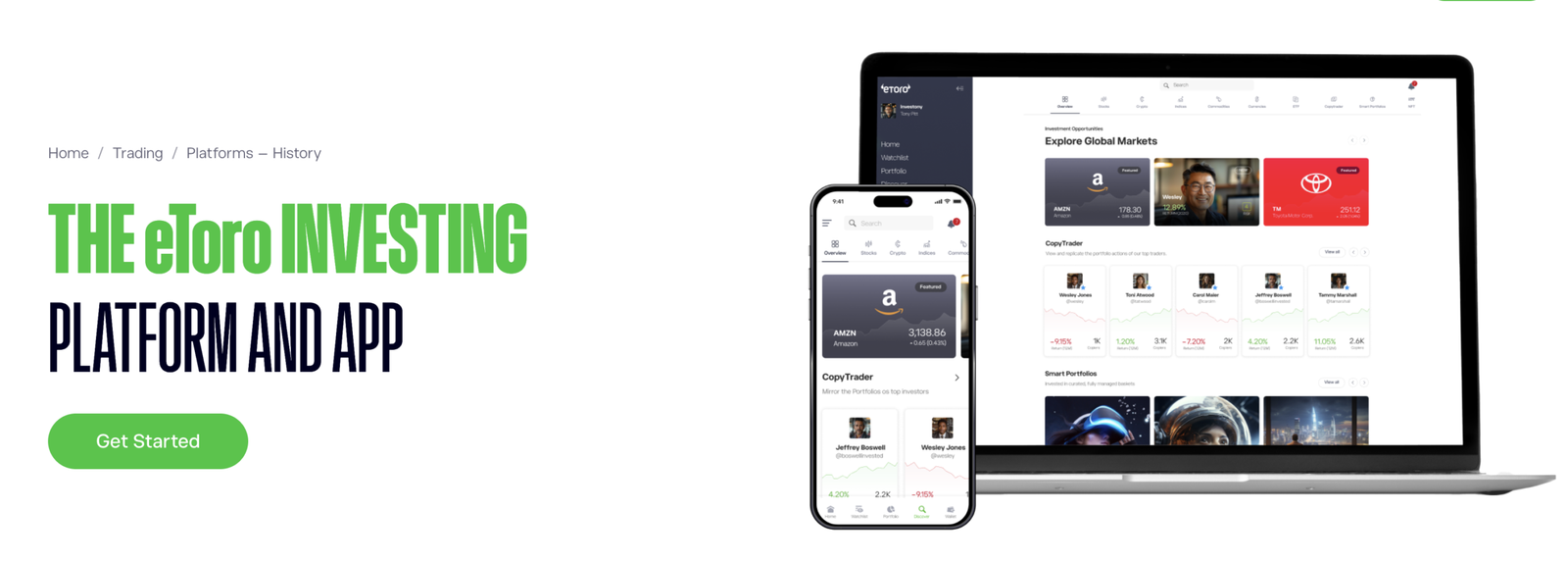
eToro is one of Australia’s most visible investing apps, best known for copy trading and multi-asset access in a single account. It operates locally under ASIC (AFSL 491139) and globally under FCA, CySEC and SEC oversight. It’s built for accessibility, not sophistication.
| Key Information | Details |
|---|---|
| Australian Entity | eToro AUS Capital Ltd |
| AFSL | 491139 (ASIC regulated) |
| Founded | 2007 |
| Listed | NASDAQ (public since 2025) |
| Minimum Deposit | US$50 |
| Stock Commission (AU clients) | US$2 per trade |
| ETF Commission | 0% commission |
| Crypto Fee | 1% of trade value |
| Withdrawal Fee | US$5 |
| Base Currency | USD only |
| Assets Available | Stocks, ETFs, CFDs, Forex, Crypto |
| CHESS Sponsored | No |
How competitive are the fees and total costs?
For ETF investors and occasional stock buyers, pricing is reasonable. For active traders or large AUD deposits, currency conversion is the real cost driver.
Australian clients pay US$2 per stock trade and 0% commission on ETFs. Crypto trades cost 1%, plus spread. Forex spreads start from 1.0 pips, and index CFD spreads sit around 1.0 on the S&P 500. There’s also a US$5 withdrawal fee and a US$10 monthly inactivity fee after 12 months.
Because accounts are USD-based, Australians pay 1.5% (150 pips) when converting AUD to USD and again on the way back. On $10,000, that’s roughly $150 each direction. That’s manageable for long-term investors, but expensive if you move funds often.
Is the platform properly regulated and how safe is your money?
Yes. eToro operates in Australia under ASIC AFSL 491139 via eToro AUS Capital Ltd. It’s also regulated by the FCA in the UK and CySEC in Europe, and its US entity is overseen by the SEC and FINRA.
Client funds are held in segregated accounts. Retail CFD traders receive negative balance protection. Eligible clients may receive up to AUD 1 million in private insurance, subject to aggregate limits.
However, it is not CHESS-sponsored, and ASIC does not offer a fixed compensation scheme. Crypto holdings are not protected by investor compensation arrangements.
Regulated and established, but structured differently from traditional CHESS-backed brokers.
What investment options and markets can you access?
eToro offers broad access, though not the full market depth of institutional brokers.
You can trade:
- 3,000+ global stocks
- 250+ ETFs
- 142 cryptocurrencies
- 56 forex pairs
- 31 index CFDs
- Commodities like gold and oil
Markets include the ASX, NYSE, NASDAQ, LSE and others.
Buy stocks or ETFs at 1x leverage and you own the underlying asset. Use leverage or short positions and you’re trading CFDs. Shares cannot be transferred out to another broker, which matters for long-term investors.
How easy is the app to use and what tools does it offer?
The app is clean, intuitive and fast to navigate. Account opening is fully digital and usually completed within a day.
Core features include:
- Market, limit, stop-loss and trailing stop orders
- Price alerts and push notifications
- Biometric login and two-factor authentication
- Basic portfolio analytics
The headline feature is CopyTrader, a copy trading platform allowing you to replicate other traders with a minimum of US$200 per copied investor. Smart Portfolios allow thematic investing from US$500.
Charting includes 70+ indicators, but depth is limited. No MT4 or MT5 support. Research tools are adequate rather than advanced.
What are the minimum investment amounts and funding options?
The minimum deposit for Australians is US$50, though bank transfers require US$500 minimum. The minimum withdrawal is US$30, and each withdrawal costs US$5.
Funding options include bank transfer, debit/credit card and selected e-wallets such as PayPal and Skrill. Deposits are generally free, but FX conversion fees apply when funding in AUD.
Withdrawals typically process within 1–3 business days.
Who is this platform best for?
eToro suits:
- Beginners who want a simple, all-in-one investing app
- Investors interested in copy trading
- Traders who want stocks, crypto and CFDs in one account
It’s less suited to:
- Long-term dividend investors
- CHESS-focused investors
- High-frequency day traders
- Investors highly sensitive to FX costs
eToro works best for medium-term investors who value simplicity and social trading features, and who are comfortable operating in USD.
Read the complete eToro review here.
Pros and cons
- ASIC regulated (AFSL 491139)
- User-friendly mobile app
- Commission-free ETFs
- US $2 stock commission
- CopyTrader and Smart Portfolios
- Multi-asset access
- No CHESS sponsorship
- USD-only base currency
- 1.5% currency conversion fee
- US $5 withdrawal fee
- 1% crypto fee
2. Moomoo – Best for active stock traders
Moomoo is a data-heavy investing app designed for investors who want low brokerage and serious analytical tools. It operates in Australia under ASIC (AFSL 224663) and combines CHESS-sponsored ASX trading with access to US and Hong Kong markets. Compared to simpler investing apps, Moomoo clearly leans toward active equity traders.
| Key Information | Details |
|---|---|
| Australian Entity | Moomoo Securities Australia Ltd |
| AFSL | 224663 (ASIC regulated) |
| Parent Company | Futu Holdings Ltd (NASDAQ: FUTU) |
| Founded | 2018 |
| Global Users | 24m+ |
| Client Assets | ~A$137bn |
| Minimum Deposit | $0 (accounts from $1) |
| ASX Brokerage | $3 or 0.03% (whichever higher) |
| US Brokerage | US$0.99 per trade |
| FX Conversion | 50 pips (AUD/USD) |
| CHESS Sponsored | Yes (ASX trades) |
| Inactivity Fee | None |
How competitive are the fees and total costs?
For share investors, Moomoo is competitively priced and transparent.
ASX trades cost $3 per order or 0.03% of trade value, whichever is higher, GST included. US stocks and ETFs cost US$0.99 per trade, and fractional US shares are supported. Options pricing starts at US$0.50 per contract under the fixed plan.
There are no inactivity fees, no account maintenance fees and no custody charges.
Currency conversion is charged via a spread. AUD to USD conversions add 50 pips, roughly 0.5%. That’s materially lower than some USD-only brokers, but still relevant if you move large sums frequently.
Recurring investment cost:
- AUS trades: $9.90 per month for unlimited trades
- US trades: US$0.99 or 0.99%, whichever is lower
For stock-focused investors, overall costs are low. The only real friction is FX spread when investing offshore.
Is the platform properly regulated, and how safe is your money?
Yes. Moomoo operates locally under ASIC AFSL 224663. Client funds are held in segregated trust accounts at major banks, including HSBC Australia.
The parent company, Futu Holdings Ltd, is listed on the NASDAQ (ticker: FUTU), adding an extra layer of disclosure and regulatory scrutiny.
Key safety features include:
- CHESS-sponsored ASX holdings, registered directly in your name
- Segregated client funds
- Two-factor authentication and device security controls
- Strong internal R&D and platform-level security infrastructure
There is no formal investor compensation scheme in Australia, and Moomoo does not provide negative balance protection, which matters for options and derivatives traders.
From a regulatory perspective, Moomoo is properly licensed and structurally solid. The CHESS sponsorship is a genuine strength compared to custodial-only brokers.
What investment options and markets can you access?
Moomoo focuses on equities and derivatives, not multi-asset trading.
You can access:
- ASX stocks and ETFs
- US stocks and ETFs
- Fractional US shares
- Hong Kong stocks
- US options
- Selected futures
- Managed funds
It does not offer forex, CFDs, or direct bond trading.
The platform provides access to roughly 22,000 instruments across supported markets. For Australian investors wanting global equity exposure plus CHESS-backed local holdings, the coverage is strong.
If you want leveraged CFD trading or currency speculation, this is not the platform.
How easy is the app to use, and what tools does it offer?
Moomoo’s app is powerful and feature-rich. It feels closer to a trading terminal than a minimalist investing app.
Core features include:
- Level 2 market data (Nasdaq TotalView, NYSE ArcaBook)
- 60+ technical indicators
- Advanced order types, including stop-limit and trailing orders
- Real-time price alerts
- Customisable multi-panel layouts
- Options strategy builder
- Paper trading (demo trading account)
- TradingView integration
The app also includes sentiment indicators, institutional holdings data, short sale metrics, and pattern recognition tools.
It is extremely capable, but beginners may find it dense at first. This is not a stripped-back ETF-only interface.
What are the minimum investment amounts and funding options?
There is no formal minimum deposit, and accounts can open from $1.
Funding options include:
- Bank transfer (BSB + account number)
- PayID
Deposits typically clear within 1–3 business days. AUD is the default funding currency. USD deposits may be arranged separately.
Withdrawals are made via Australian bank transfer. Moomoo does not charge platform withdrawal fees, though intermediary banking fees may apply.
Account types are relatively simple. Individual brokerage accounts are standard, with SMSF support available. Joint and retirement-style accounts are limited.
Who is this platform best for?
Moomoo suits:
- Active stock traders
- Investors who want CHESS-sponsored ASX ownership
- Options traders
- Data-driven investors
- Traders who value Level 2 market depth
It’s less suited to:
- Forex traders
- Bond investors
- Investors wanting robo-advice
- Passive ETF investors who prefer ultra-simple interfaces
If you trade shares regularly and want institutional-grade data without paying traditional broker fees, Moomoo is a strong option. If you just want to buy an index fund occasionally, it may feel more complex than necessary.
Read the complete Moomoo review here.
Pros and cons
- ASIC regulated (AFSL 224663)
- CHESS-sponsored ASX shares
- Low ASX and US brokerage
- No inactivity fees
- Level 2 market data access
- Advanced research and AI tools
- No forex or CFD trading
- No negative balance protection
- FX spread on offshore trades
- Limited account types
3. Tiger Brokers – Best for Asian and US market access
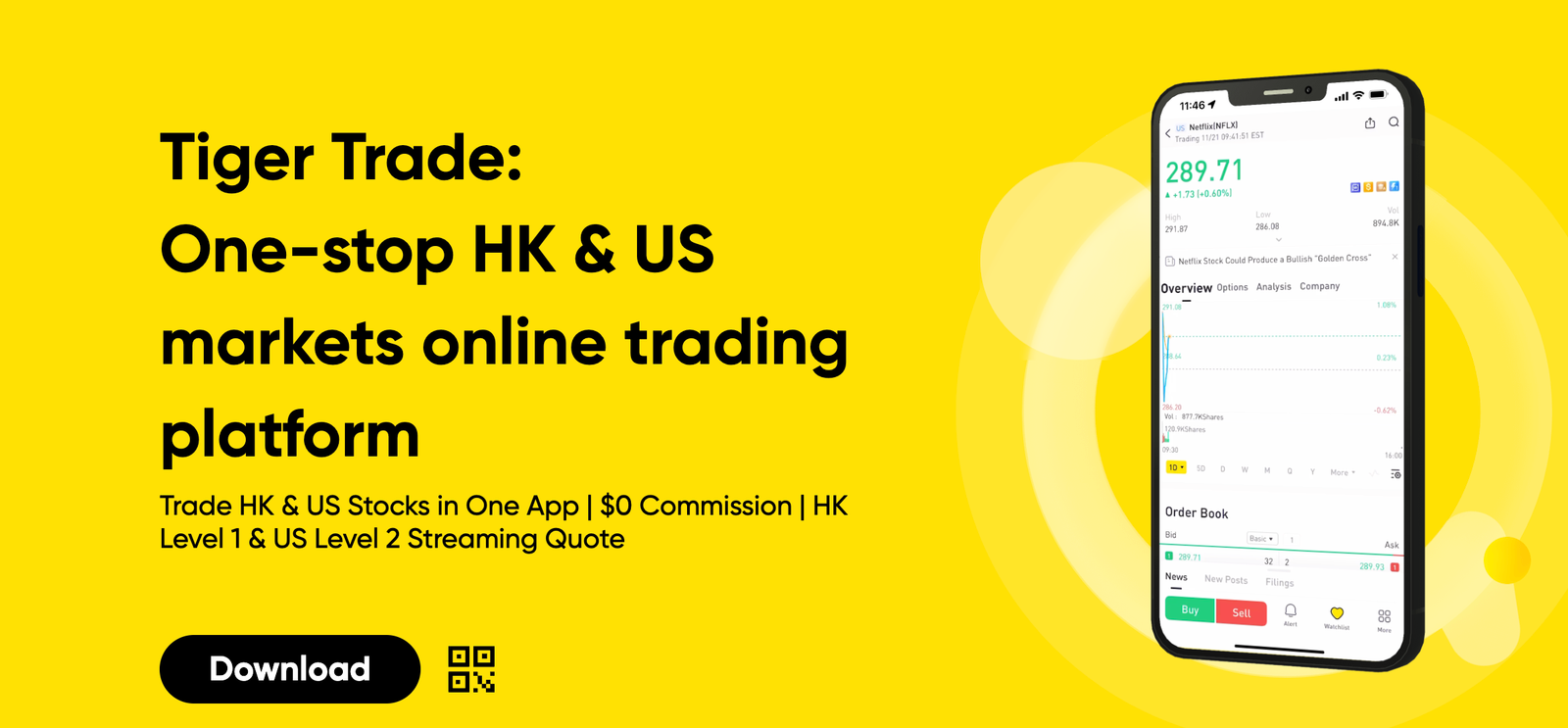
Tiger Brokers is a low-cost global share investment app aimed at intermediate retail investors. It offers access to ASX, US, Hong Kong and China A-shares through its proprietary Tiger Trade platform. The focus is clearly on equities rather than multi-asset trading.
| Key Information | Details |
|---|---|
| Australian Entity | Tiger Brokers (AU) Pty Ltd |
| AFSL | 300767 (ASIC regulated) |
| Parent Company | UP Fintech Holding Ltd (NASDAQ-listed) |
| Founded | 2014 |
| Global Accounts | 10m+ |
| Minimum Deposit | $0 |
| ASX Brokerage | $3 or 0.03% (whichever higher) |
| US Brokerage | US$0.01 per share (min US$2) |
| FX Conversion | 55 pips (AUD/USD) |
| CHESS Sponsored | Yes (new AU accounts) |
| Inactivity Fee | None |
How competitive are the fees and total costs?
For ASX and US shares, Tiger sits firmly in the competitive tier.
ASX trades cost $3 per order or 0.03% of trade value, whichever is higher. US stocks are priced at US$0.01 per share, with a US$2 minimum per order, plus small exchange and settlement fees. Hong Kong shares are charged at 0.06% of trade value plus platform fees.
There are no inactivity fees, no account maintenance charges and no minimum deposit requirement.
Currency conversion adds 55 pips (0.55%) on AUD/USD trades. That’s fairly standard, but frequent offshore investors should factor it in.
For moderate trade sizes, pricing is sharp. High-volume traders may find marginally lower per-share rates elsewhere.
Is the platform properly regulated and how safe is your money?
Yes. Tiger Brokers holds an AFSL 300767 and is regulated by ASIC. The parent company is NASDAQ-listed, adding a layer of transparency and public reporting.
Client funds are held in segregated trust accounts. New Australian accounts are CHESS-sponsored, meaning ASX shares are registered under your own HIN.
Security features include:
- Segregated client money
- Two-factor authentication via Tiger Token
- Multi-jurisdiction licensing
There is no formal investor compensation scheme in Australia, and like most trading platforms, protection depends on asset segregation and regulatory compliance.
What investment options and markets can you access?
Tiger Brokers is an equity-focused platform.
You can trade:
- ASX stocks and ETFs
- US stocks and ETFs
- Fractional US shares
- Hong Kong stocks and ETFs
- China A-shares
- US and HK options
- Selected futures
It does not offer forex, CFDs or crypto.
Market access includes NYSE, Nasdaq, ASX, HKEX and selected OTC markets. For investors wanting exposure to Hong Kong or mainland China alongside US and Australian stocks, Tiger provides broader Asian access than many competitors.
How easy is the app to use and what tools does it offer?
Tiger Trade balances usability with solid trading tools.
Features include:
- Real-time streaming quotes
- Candlestick charts with custom indicators
- Stock screeners
- Market, limit and stop-loss orders
- Options trading interface
- AI research assistant (TigerAI)
- Demo account with virtual capital
The app offers Lite and Pro views, letting users simplify or expand the interface. Charting and screening tools are strong for a retail app, though educational content is fairly basic.
It’s more capable than beginner-only investment apps, but not institutional-level.
What are the minimum investment amounts and funding options?
There is no minimum deposit to open an account.
Funding options include:
- Bank transfer
- PayID
- PayTo
Deposits can be made in AUD, USD or HKD depending on trading needs. Withdrawals are processed via bank transfer. Tiger does not charge deposit fees, though banks may apply their own.
Margin accounts are available, with margin rates generally around 8%, depending on currency and balance.
Who is this platform best for?
Tiger Brokers suits:
- Cost-conscious share investors
- Investors wanting ASX and US access in one account
- Those seeking Hong Kong or China exposure
- Intermediate traders comfortable with global equities
It’s less suited to:
- Forex or CFD traders
- Crypto investors
- Beginners seeking extensive education
- Advanced algorithmic traders
Tiger Brokers works best for Australian investors building diversified global share portfolios at competitive brokerage rates. It’s not a multi-asset powerhouse, but as a low-cost equity platform, it delivers solid value.
Read the complete Tiger Brokers review here.
Pros and cons
- CHESS-sponsored ASX accounts
- Competitive ASX and US brokerage
- Access to HK and China A-shares
- No minimum deposit
- No forex, CFDs or crypto
- Limited educational content
- FX spread on offshore trades
- Not ideal for advanced algo trading
- Fewer asset classes than multi-asset brokers
4. CMC Markets – Best for low-cost global share investing
CMC Markets operates two distinct offerings in Australia. CMC Invest is for direct share investing with CHESS-sponsored ASX holdings. CMC Markets is its CFD and forex trading platform. The distinction matters. If you want real shares and ETFs, you’re using Invest. If you want leveraged trading, you’re using CFDs.
| Key Information | Details |
|---|---|
| Australian Entity | CMC Markets Asia Pacific Pty Ltd |
| AFSL | 238054 (ASIC regulated) |
| Founded | 1989 |
| Listed | London Stock Exchange (LSE: CMCX) |
| Minimum Deposit | $0 |
| ASX Brokerage | $0 on first buy ≤ $1,000 per day |
| Global Brokerage | $0 on US, UK, Canada, Japan shares |
| FX Spread (EUR/USD CFD) | From 0.6 pips |
| Platforms | CMC Invest, Next Generation, MT4 |
| Inactivity Fee | $15/month after 12 months (CFD accounts) |
How competitive are the fees and total costs?
For direct share investors, CMC Invest is aggressively priced.
You get:
- $0 brokerage on US, UK, Canada and Japan shares
- $0 brokerage on one ASX buy per day up to $1,000
- After that, ASX brokerage is $11 or 0.10% (Standard) or $9.90 or 0.075% (ALPHA tier), whichever is greater
There are no monthly account fees and no custody charges.
For CFD traders, costs are built into spreads. Forex spreads start from 0.6 pips on EUR/USD, and index CFDs like the S&P 500 sit around 0.6 points. Stock CFDs carry a commission, typically $0.02 per share with a $10 minimum, which is on the expensive side.
Currency conversion fees apply when trading offshore assets, and market data subscriptions may apply for dynamic pricing.
For casual share investors making modest trades, CMC Invest is very cost-effective. For frequent international traders or CFD stock traders, costs can climb.
Is the platform properly regulated, and how safe is your money?
Yes. CMC Markets holds AFSL 238054 and is regulated by ASIC. It has operated since 1989 and is listed on the London Stock Exchange, which adds financial transparency and reporting oversight.
Client funds are held in segregated trust accounts at major banks, including Macquarie Bank in Australia.
Key safety features:
- Segregated client funds
- ASIC oversight
- Negative balance protection for retail CFD clients under ASIC rules
- Long operating history
Australia does not operate a statutory investor compensation scheme like the UK. Protection relies on segregation and regulatory compliance.
CMC’s longevity and public listing strengthen its credibility.
What investment options and markets can you access?
Through CMC Invest, you can trade:
- ASX shares (CHESS-sponsored)
- US, UK, Canada, and Japan shares
- ETFs
- mFunds
- Options
Through the CMC Markets platform, you can trade:
- Forex (330+ currency pairs)
- Indices
- Commodities
- Share CFDs
- ETF CFDs
- Bond CFDs
- Crypto CFDs (outside UK)
If you want real share ownership, stick with Invest. If you want leverage and short-selling flexibility, use the CFD account.
Few platforms in Australia offer both direct share investing and a fully developed CFD suite under one brand.
How easy is the app to use, and what tools does it offer?
CMC Invest’s interface is clean and relatively straightforward. The Next Generation platform on the CFD side is far more advanced.
Tools include:
- Morningstar quantitative research reports
- Stock and ETF screeners
- Advanced charting with 80+ indicators (CFD platform)
- Conditional orders at no extra cost
- Guaranteed stop-loss orders (premium applies)
- Integrated news and economic calendar
- Demo accounts
CMC clearly prioritises research depth. It’s more analytical than social.
What are the minimum investment amounts and funding options?
There is no minimum deposit to open either account type.
For global share trades, a $1,000 minimum trade value typically applies. That may limit diversification for smaller portfolios.
Funding options include:
- Bank transfer
- Debit card
Deposits and withdrawals are generally free. Withdrawals to cards are capped at $40,000 per 24 hours.
There are no inactivity fees on Invest accounts. CFD accounts incur a $15 monthly fee after 12 months of inactivity if funds remain.
Who is this platform best for?
CMC Markets suits:
- Cost-conscious Australian share investors
- Investors who value research tools
- Traders wanting both direct shares and CFDs in one ecosystem
- Intermediate and advanced traders
It’s less suited to:
- Absolute beginners who prefer ultra-simple apps
- Investors making very small international trades
- Traders who dislike complex fee structures
CMC works best for investors who want flexibility. You can start with commission-free global shares, then graduate to more advanced strategies if needed.
Read the complete CMC Markets review here.
Pros and cons
- ASIC regulated (AFSL 238054)
- $0 brokerage on major global markets
- CHESS-sponsored ASX shares
- Strong research tools (Morningstar integration)
- Advanced Next Generation platform
- Fee structure can be complex
- $1,000 minimum for many global trades
- Stock CFD fees are high
- Spreads can be wider than some forex competitors
5. Pepperstone – Best for forex and CFD traders
Pepperstone is not a traditional investing app for buying shares or ETFs. It’s a forex and CFD trading platform built for active traders who want tight spreads, leverage and fast execution. If you’re looking to build a long-term share portfolio, this isn’t the right fit. If you’re trading currencies or indices, it’s one of the stronger options available in Australia.
| Key Information | Details |
|---|---|
| Australian Entity | Pepperstone Group Limited |
| AFSL | 414530 (ASIC regulated) |
| Founded | 2010 (Melbourne) |
| Asset Type | Forex & CFD broker (no real shares) |
| Minimum Deposit | $0 (recommended ~$200) |
| EUR/USD Spread | From 0.0 pips (Razor) |
| Commission (Razor) | $3.50 per lot per side (MT4/MT5) |
| Index CFD Spread | S&P 500 from 0.4 |
| Withdrawal Fee | $0 (AU clients) |
| Platforms | MT4, MT5, cTrader, TradingView, Pepperstone App |
| Inactivity Fee | None |
How competitive are the fees and total costs?
Pricing is a core strength.
Two main retail accounts:
- Standard: No commission, spreads from ~0.6 pips
- Razor: Raw spreads from 0.0 pips + commission
Razor commission:
- $3.50 per lot per side (MT4/MT5)
- $3.00 per lot per side (cTrader)
- (~$7 round turn per 100k lot on MetaTrader)
Index spreads are competitive (S&P 500 from 0.4). Stock CFD commission is around $0.02 per share with minimums.
There are no inactivity fees and no deposit fees. Withdrawals are generally free for Australian clients.
Overnight financing charges apply to leveraged positions, which can add up for longer-term trades.
Is the platform properly regulated and how safe is your money?
Yes. Pepperstone is regulated by ASIC (AFSL 414530) and also by the FCA and CySEC internationally.
Client funds are held in segregated trust accounts. Under ASIC rules:
- Major FX leverage capped at 30:1
- Negative balance protection for retail clients
- Margin close-out protections apply
Pepperstone is privately owned and not a bank. Australia does not operate a statutory investor compensation scheme.
Regulatory coverage is strong, but this remains a leveraged derivatives broker.
What investment options and markets can you access?
All products are traded as CFDs; you do not own the underlying asset.
Available markets:
- 90+ forex pairs
- 20+ global indices
- Commodities (gold, oil, metals)
- 800+ US share CFDs
- 150+ Australian share CFDs
- 20+ crypto CFDs
- ETF CFDs
ASIC leverage caps:
- FX: 30:1
- Indices: 20:1
- Commodities: 10:1
- Shares: 5:1
- Crypto: 2:1
Pepperstone is strongest in forex. It’s not designed for long-term asset ownership.
How easy is the app to use and what tools does it offer?
Pepperstone supports:
- MetaTrader 4 & 5
- cTrader
- TradingView integration
- Pepperstone’s proprietary app
Tools include:
- 80+ technical indicators
- Expert Advisors (algo trading)
- Autochartist pattern recognition
- Demo accounts
- Copy trading integrations (jurisdiction dependent)
Execution is fast, with pricing sourced from multiple liquidity providers.
MetaTrader is functional but dated visually. cTrader offers a cleaner, more modern experience.
This is a trading-focused platform rather than a beginner investing app.
What are the minimum investment amounts and funding options?
There is no formal minimum deposit, though ~$200 is commonly suggested for practical trading.
Funding options (ASIC clients):
- Bank transfer
- Credit/debit card
- PayPal
- Neteller
- Skrill
- PayID
- POLi
- BPAY
Deposits are usually instant via card or e-wallet. Withdrawals are typically processed within one business day.
Multiple base currencies (AUD, USD, EUR, GBP, JPY and others) help reduce FX conversion costs if structured correctly.
Who is this platform best for?
Pepperstone suits:
- Active forex traders
- Index and commodity traders
- Scalpers
- Algorithmic traders
- Traders comfortable with leverage
It’s less suitable for:
- Long-term investors
- Dividend investors
- CHESS-focused investors
- Beginners wanting simple ETF investing
Pepperstone is built for trading, not passive investing. If tight spreads and execution speed matter more than asset ownership, it delivers.
Read the complete Pepperstone review here.
Pros and cons
- ASIC regulated (AFSL 414530)
- Tight spreads (0.0 pips Razor)
- Multiple pro-grade platforms
- Fast execution
- 90+ forex pairs
- Overnight funding costs
- MetaTrader mobile is basic
- Not suited to passive investors
How to invest using an Australian investing app
1. Log in to the platform
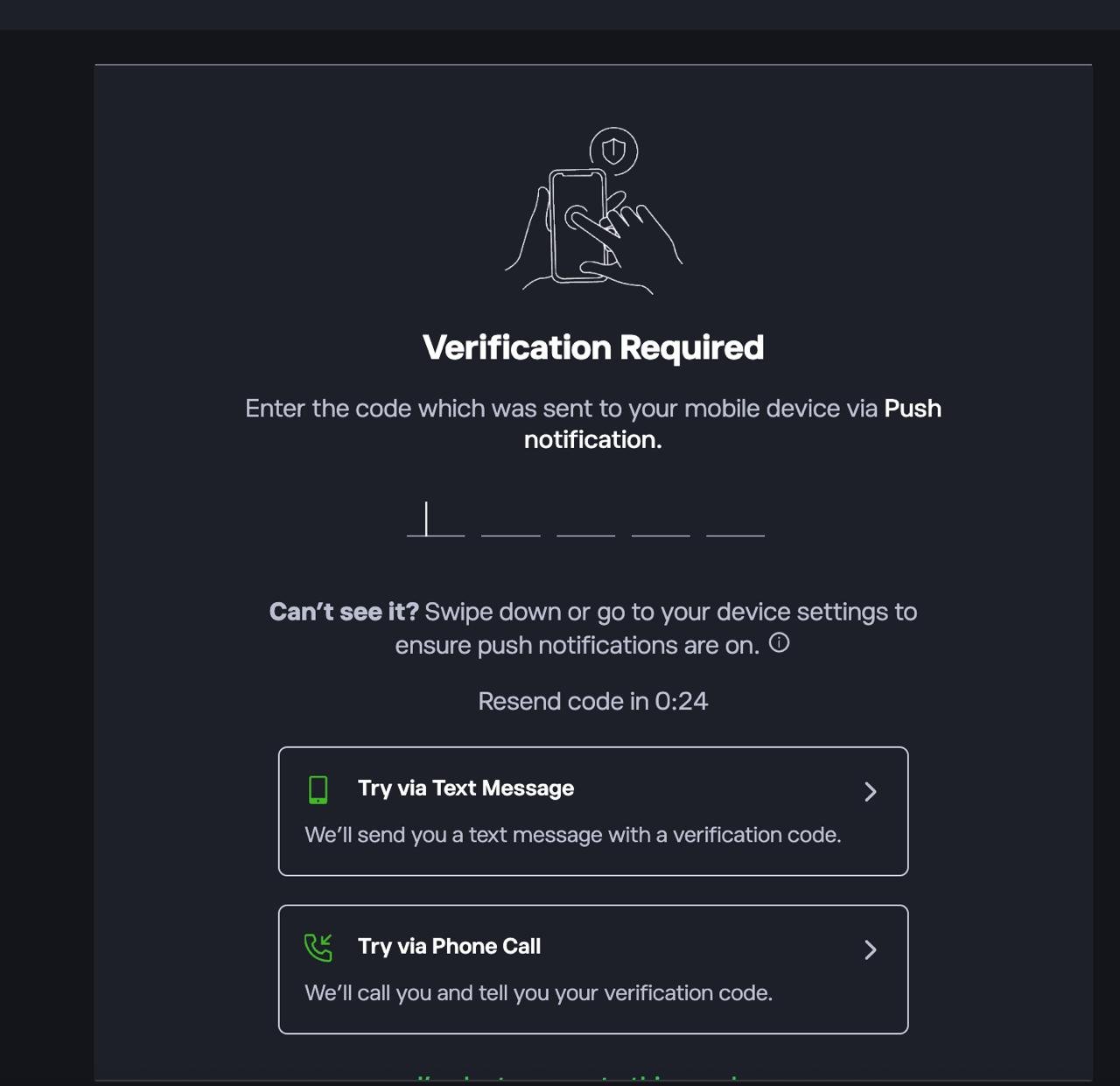
First sign up or log in to the platform. If prompted, complete 2FA by entering the code sent via push notification, SMS, or phone call.
2. Deposit funds into your account
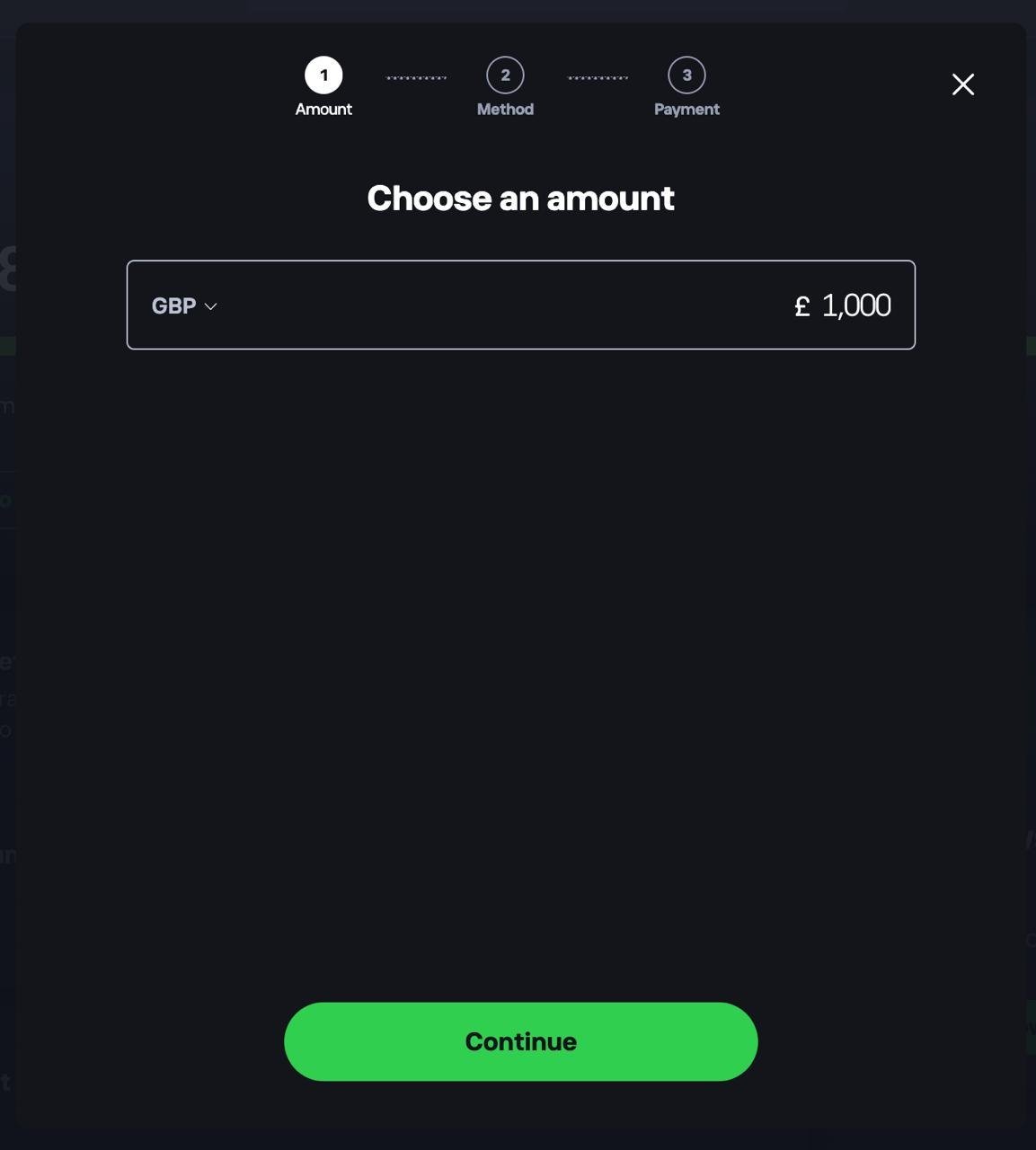
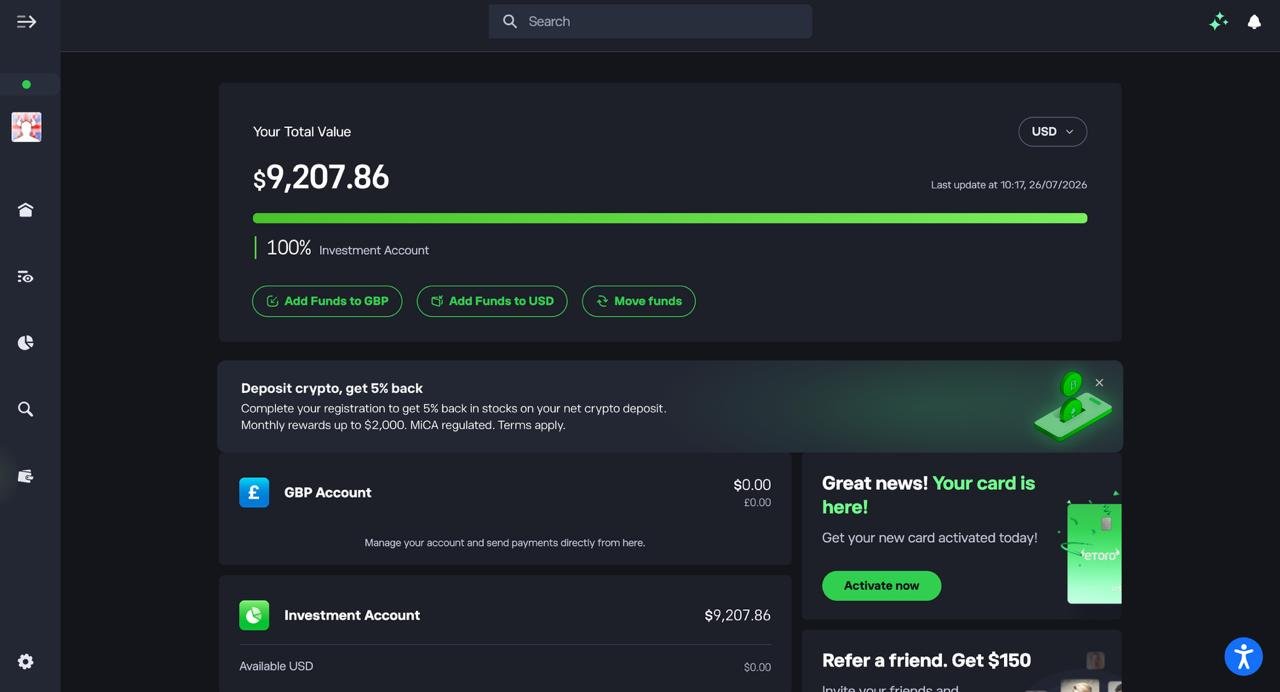
Head to your dashboard and choose to add funds. Select your currency, enter the amount you want to deposit, tap Continue, then choose a payment method.
3. Confirm your funds are available
Check your dashboard to make sure your deposit has landed in your Investment Account before you start investing.
4. Find the investment you want
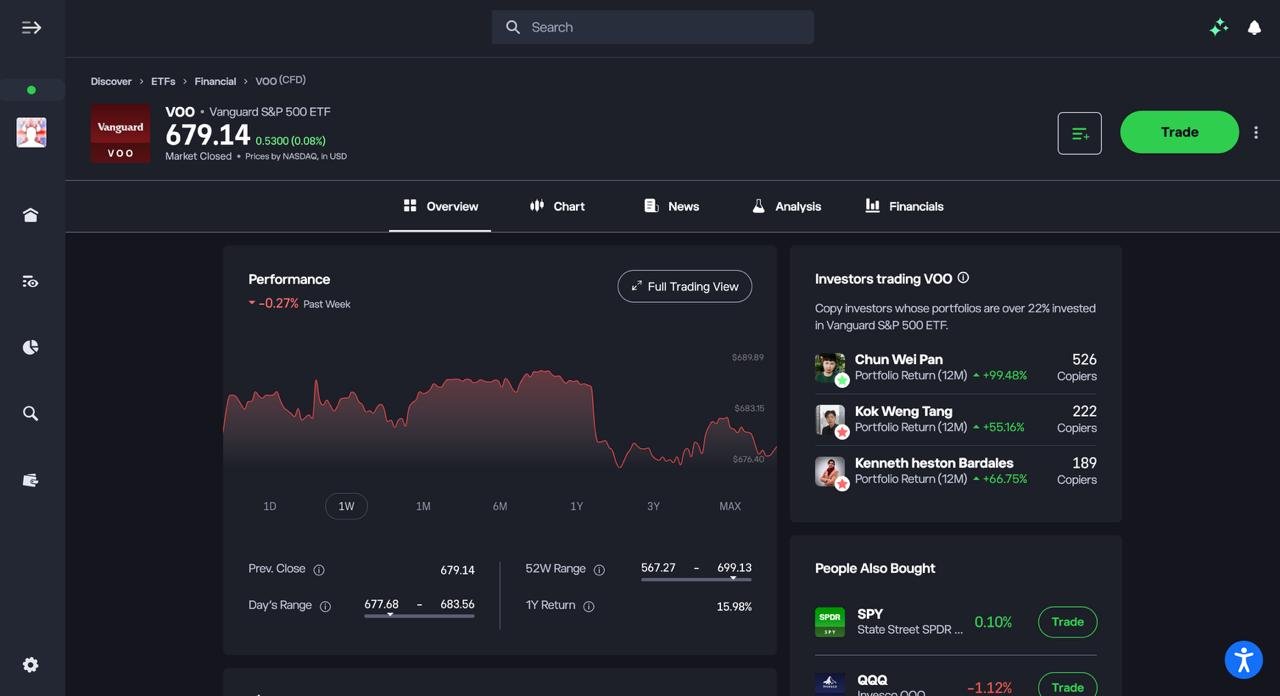
Search for the stock, ETF, or asset you want to invest in and open its overview page to check the price and performance before you commit.
5. Set up and confirm your investment
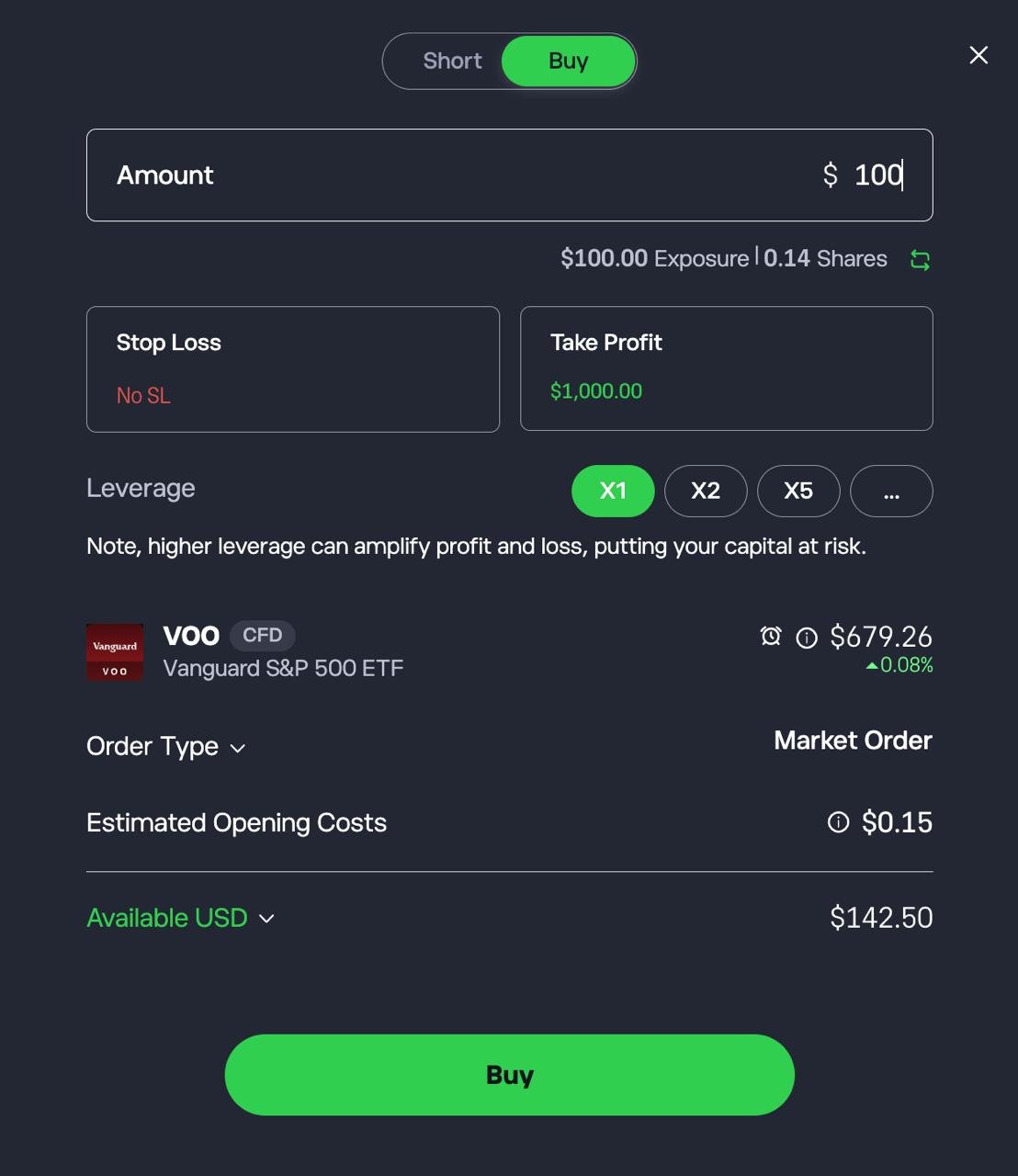
Choose Buy, enter the amount you want to invest, optionally set a Stop Loss and Take Profit, then tap Buy to confirm.
What should you look for in an investing app in Australia?
The right investing app depends on how you invest. A long-term ETF investor needs something very different from an active trader. In Australia, the key factors are ownership structure, total costs, market access, platform quality, and regulatory protection. Get those right, and the rest is noise.
Ownership structure: CHESS, custodian, or CFDs?
Start with one question: Do you actually own the asset?
- CHESS-sponsored brokers register ASX shares under your own HIN.
- Custodian brokers hold assets on your behalf.
- CFD platforms offer no ownership, only derivatives.
For long-term ASX investors, CHESS sponsorship adds clarity and control. For global shares, custodial models are common. For short-term traders, ownership may be less relevant than execution.
Fees and total cost
Brokerage is only part of the equation. Look at:
- Per-trade commission
- Percentage-based brokerage (e.g., 0.03% to 0.10%)
- FX conversion spreads (often 0.5% to 1.5%)
- Inactivity fees
- Market data subscriptions
- Overnight funding costs (for CFDs)
A platform offering $0 brokerage can still be expensive if currency conversion costs are high. For offshore investing, the FX spread often matters more than the headline commission.
Market access and asset coverage
Not all investment apps offer the same markets.
Some focus on:
- ASX shares and ETFs
Others include:
- US, UK or Hong Kong shares
- Options
- Managed funds
- Forex and CFDs
- Crypto
If you want global diversification, check which exchanges are supported. If you want leverage, you’ll need a CFD-enabled account. Choose based on your strategy, not on feature count.
Platform quality and tools
A good investing app should make trading straightforward and transparent.
Core features to look for:
- Real-time pricing or clear data disclosure
- Limit and stop-loss orders
- Portfolio tracking
- Research integration
- Two-factor authentication
Active traders should also assess charting depth, order types and execution speed. More tools aren’t always better. Relevance matters more than volume.
Regulation and protection
Any serious investment app in Australia should be regulated by ASIC and hold an AFSL.
Check:
- Are client funds segregated?
- Is negative balance protection offered (for CFDs)?
- Are you trading under the Australian entity?
Australia does not have a statutory investor compensation scheme like the UK. Protection depends on regulation and asset segregation.
Minimum deposits and trade sizes
Some apps advertise no minimum deposit, but enforce:
- $1,000 minimum trade values on global shares
- Minimum contract sizes on derivatives
If you’re starting small, these thresholds matter. Also, check whether the account is AUD-based or USD-based, as that affects FX costs.
How do you open an investment account in Australia?
Opening an investment account in Australia is fully digital and usually takes 10 to 20 minutes, with verification completed within 1 to 2 business days. You’ll need ID, your tax file number, and an Australian bank account. The process is straightforward, but there are a few decisions worth getting right up front.
Step 1: Choose the right account type
Before you apply, decide what you actually need:
- Individual account – most common for personal investing
- Joint account – shared ownership
- SMSF account – for superannuation investing
- Company or trust account – for business or structured investing
Also choose between:
- Direct share investing (CHESS-sponsored or custodian)
- CFD/derivatives account (for leveraged trading)
If you’re investing long term in ASX shares or ETFs, a standard individual brokerage account is usually sufficient, especially if you’re just learning how to start investing in Australia.
Step 2: Complete the online application
All major Australian brokers operate fully online.
You’ll be asked for:
- Full legal name and residential address
- Date of birth
- Email and mobile number
- Tax File Number (TFN)
- Employment and income details
- Investment experience (particularly for derivatives)
Providing your TFN is optional, but without it, brokers must withhold tax on dividends at the highest marginal rate.
Step 3: Verify your identity
Under Australian anti-money laundering laws (AUSTRAC requirements), brokers must verify your identity.
You’ll typically need:
- Australian driver licence, passport or national ID
- A short video selfie or live verification (for some platforms)
Verification usually takes minutes, but manual reviews can take up to two business days.
Step 4: Link your bank account and fund it
You must fund the account from a bank account in your own name.
Common funding methods include:
- Bank transfer (BSB + account number)
- PayID
- Debit card
Most platforms do not charge deposit fees. Funds typically clear within 1 to 3 business days via bank transfer, or instantly via card.
If the platform operates in USD, your deposit will be converted from AUD and a currency conversion spread will apply.
Step 5: Set up security and trading preferences
Before placing your first trade:
- Enable two-factor authentication
- Set up price alerts
- Choose default order types (market vs limit)
- Review brokerage and FX fees carefully
If trading CFDs, confirm your leverage limits. Under ASIC rules, retail leverage is capped at:
- 30:1 for major forex
- 20:1 for indices
- 5:1 for shares
- 2:1 for crypto
Step 6: Place your first trade
Once funded, you can search for a stock or ETF by ticker symbol (e.g. BHP, VAS, AAPL).
You’ll choose:
- Order type (market or limit)
- Quantity or dollar amount
- Duration (e.g. good-til-cancelled)
ASX trades settle on T+2, meaning ownership transfers two business days after execution.
Can you transfer shares or ETFs from another Australian broker?
Yes, you can transfer shares or ETFs between Australian brokers, but the process depends on whether your holdings are CHESS-sponsored or held under a custodian model.
In most cases, ASX-listed securities can be moved without selling them, which avoids triggering capital gains tax.
The key is understanding your ownership structure before initiating the transfer.
CHESS-sponsored transfers (HIN to HIN)
If your shares are CHESS-sponsored, they’re registered under your own Holder Identification Number (HIN). This is the cleanest scenario.
To transfer:
- Open your new brokerage account.
- Request a Broker-to-Broker Transfer Form (sometimes called an “Off-Market Transfer”).
- Provide your existing HIN and broker details.
- Sign and submit the form to the receiving broker.
Your holdings will move from one HIN to another without being sold. The ASX’s CHESS system updates ownership electronically.
- Timeframe: Typically 2 to 5 business days.
- Tax impact: None, because the shares are not sold.
- Cost: Often free, though some brokers may charge an exit fee.
This method works for ASX-listed shares and ETFs only.
Custodian to CHESS (or custodian to custodian)
If your current broker uses a custodian structure, the process can vary.
Some custodial platforms allow an in-specie transfer, meaning your securities move without liquidation. Others require you to sell first and repurchase through the new broker.
Key considerations:
- Not all platforms support outbound transfers.
- Fractional shares usually cannot be transferred.
- International shares may require a different process entirely.
If liquidation is required, you may trigger capital gains tax (CGT). That’s a significant factor for long-term investors sitting on unrealised gains.
International shares
Transferring US, UK or Hong Kong shares is more complex.
Some brokers support international in-specie transfers through custodians such as Pershing or DriveWealth, but many do not. Where transfers are unavailable, you must sell and rebuy.
Also consider:
- FX conversion costs
- Settlement timing
- Minimum trade thresholds on the new platform
Before transferring global shares, confirm both brokers support inbound and outbound transfers for that specific market.
What about ETFs?
ASX-listed ETFs transfer the same way as individual shares if CHESS-sponsored.
For example, ETFs like VAS, IVV or A200 move via standard HIN transfer.
International ETFs follow the same rules as international shares and depend on custodial arrangements.
Costs and timeframes
| Transfer Type | Sale Required? | Typical Time | Tax Triggered? |
|---|---|---|---|
| CHESS to CHESS | No | 2–5 business days | No |
| Custodian to CHESS | Sometimes | 3–10 days | Possibly |
| International shares | Often | 1–3 weeks | Possibly |
Always confirm exit fees with your current broker. Some platforms charge transfer-out fees, particularly for international holdings.
When should you transfer?
A transfer makes sense if:
- You’re moving to a lower-fee broker
- You want CHESS sponsorship instead of custodial holding
- You’re consolidating multiple accounts
- Your current platform lacks required features
It may not be worth transferring if:
- You hold small positions
- Exit fees exceed potential savings
- Selling would create a large CGT event
How do we test and review investing apps in Australia?
We test investing apps by opening real accounts, funding them and placing live trades. We assess total costs, ownership structure, platform reliability and regulatory standing. Marketing claims don’t influence rankings. Real-world performance does.
1. Account setup and verification
We complete the full onboarding process and assess:
- Time to open and verify the account
- Clarity around CHESS sponsorship vs custodian model
- Transparency of fee disclosure
- Ease of linking an Australian bank account
If pricing is buried in fine print, that’s noted.
2. Cost analysis
Headline brokerage rarely tells the full story.
We compare:
- ASX brokerage (flat vs percentage)
- Global share commissions
- FX conversion spreads (often 0.5% to 1.5%)
- Inactivity fees
- CFD spreads and overnight funding
We model common scenarios such as monthly ETF investing, a $10,000 offshore trade and short-term index trading. This highlights which platforms are genuinely low cost and which rely on FX margins.
3. Ownership structure and asset coverage
We verify:
- Whether ASX shares are CHESS-sponsored (HIN)
- Custodian arrangements for global shares
- Whether products are real assets or CFDs
- Depth of market access (ASX, US, HK, etc.)
Direct ownership and derivative exposure are assessed differently.
4. Platform quality and execution
We test both mobile and desktop platforms under live conditions.
We evaluate:
- Stability during volatile markets
- Order types available
- Charting tools and research integration
- Two-factor authentication and security features
For active traders, we assess execution speed and advanced tools.
5. Regulation and safety
All platforms reviewed must hold an ASIC AFSL.
We confirm:
- Client funds are segregated
- Retail leverage limits comply with ASIC rules
- Negative balance protection (for CFDs)
Australia does not have a statutory investor compensation scheme, so structure and regulatory oversight matter.
6. Customer support and transparency
We contact support directly and test response quality. Clear explanations of fees and transfer processes score highly. Evasive answers do not.
Final verdict: Which investing app is best in Australia?
There isn’t a single “best” investing app in Australia. The right choice depends on how you invest, how often you trade and whether you prioritise ownership, low costs or advanced tools.
For low-cost global share investing, CMC Markets (Invest) stands out with $0 brokerage on major international markets and CHESS-sponsored ASX holdings. If you want social investing and a simple interface, eToro is strong for beginners, especially those interested in copy trading.
Active equity traders who want deeper data and Level 2 market access will likely prefer moomoo, while Tiger Brokers appeals to investors seeking exposure to Hong Kong and China alongside US and ASX shares.
For short-term traders focused on forex and indices, Pepperstone remains one of the more competitive platforms on spreads and execution.
The key is alignment. Long-term ETF investors should prioritise CHESS sponsorship, transparent FX pricing, and choosing the right ETF platforms for their strategy.
Active traders should focus on spreads, execution speed and platform depth. Choose the app that matches your strategy, not the one with the loudest marketing.
FAQs
What apps can I use to invest in Australia?
The main investing apps in Australia include CMC Markets, eToro, Moomoo, Tiger Brokers, and Pepperstone, each offering access to ASX and global markets. These platforms allow you to invest in shares, ETFs, and other assets through mobile apps under ASIC regulation.
Is investing through an app safe?
Yes, investing through an app is generally safe if the platform is regulated by ASIC and holds an Australian Financial Services Licence (AFSL). Safety depends on factors like client fund segregation, security features such as 2FA, and whether assets are held under CHESS or a custodian model.
Do investment apps charge fees?
Yes, most investment apps charge fees, including brokerage, FX conversion costs, spreads, or inactivity fees depending on the platform. Some offer $0 brokerage, but still charge through currency conversion or wider spreads, so total cost matters more than headline pricing.
What is the best investment app in Australia for beginners?
The best investment app in Australia for beginners is eToro due to its simple interface, copy trading features, and low barriers to entry. It allows new investors to learn by following experienced traders while accessing stocks, ETFs, and other markets in one app.
Which are the best investment apps in Australia for long-term investing?
The best investment apps in Australia for long-term investing are CMC Markets, Tiger Brokers, and Moomoo, as they offer low fees, CHESS-sponsored ASX investing, and access to global shares and ETFs. Long-term investors should prioritise low costs, ownership structure, and consistent portfolio building over short-term trading features.
Which is the safest app for investing?
The safest investing apps in Australia are those regulated by ASIC with strong security practices, such as CMC Markets and IG-style brokers with long track records. Platforms offering CHESS-sponsored ownership and segregated client funds provide additional protection for long-term investors.
