

After comparing 8 ETF platforms in Australia, my top picks are eToro for beginners and multi-asset investing, CMC Invest for all-round ASX and international ETF investing and Betashares Direct for low-cost ASX ETF investing. I compared brokerage, AUD/USD conversion costs, CHESS versus custodial ownership, recurring investing and how each platform handles everyday ETF buying.
- Social investing with real-time insights
- Ready-made portfolios for diversified investing
- Copy top-performing investors automatically
Capital at risk. T&Cs apply.
How I tested and ranked these platforms
I tested each platform with a funded Australian account in October and November 2026. I bought ASX and US ETFs and shares, set up recurring plans where they were offered and checked the costs shown before confirming each order.
- 8 funded Australian accounts
- A$6,000 deposited
- 33 trades placed
- 4 recurring plans set up
- 8 withdrawals tested
- Tested on iPhone, Android, iPad and desktop
I then weighted costs 30%, ownership structure 15%, ETF access 15%, recurring investing 15%, ease for newer investors 15% and starting small 10%. An ASIC-licensed Australian entity was a must, not a scoring factor.
Best ETF trading platforms compared
| Platform | Best for | ASX ETF fees | CHESS | Auto-invest |
|---|---|---|---|---|
| eToro | Beginners and multi-asset investing | $0 commission | No (custodial) | Yes, monthly from US$25 |
| CMC Invest | All-round ASX and international ETFs | First buy under A$1,000 per security per day $0; then A$11 or 0.10%, whichever is greater | Yes (ASX) | No |
| Betashares Direct | Low-cost ASX ETF investing | $0 | No (custodial) | Yes, $0 fee |
| Webull | Low-cost trading and charting | $0 | Yes (ASX) | No |
| Moomoo | ETF research and analysis | A$3 or 0.03%, whichever is greater | Yes (ASX) | No |
| Tiger Brokers | International ETF trading | A$3 up to A$10,000; 0.03% above | Yes (ASX) | US and HK securities only, not ASX ETFs |
| Pearler | Automated long-term ETF investing | A$6.50 per trade (A$5.50 with prepaid brokerage) | Yes (ASX) | Yes, including multi-fund plans |
| Interactive Brokers | International ETF markets | Fixed: 0.08%, A$6 minimum, plus GST | No (custodial) | No |
Best ETF trading platform Australia reviews
1. eToro Review – Best for beginner-friendly ETF investing

eToro is the easiest way I found to start buying ETFs from Australia, with $0 ETF commission, fractional units and a single app for shares, ETFs and copy investing. The trade-off is custodial (non-CHESS) ownership and a 0.75% AUD/USD conversion fee on international ETFs.
Key information
| Field | Information |
|---|---|
| Best for | Beginners, multi-asset portfolios, social investing |
| ASX ETF brokerage | $0 commission |
| International ETF brokerage | $0 commission |
| FX fees | 0.75% AUD/USD, measured in both of my tests; no conversion for ASX-listed assets bought from an AUD balance |
| CHESS / custody | Not CHESS-sponsored. Held under eToro’s custodial / managed investment structure; no HIN |
| Fractional ETFs | Yes (confirmed on VAS and VOO) |
| Recurring investing | Yes. Monthly, from US$25, stocks and ETFs only (not CFDs) |
| Markets available | ASX, US and other international stocks and ETFs, plus crypto and CFDs |
| Minimum investment | Deposit from A$50; recurring from US$25; CopyTrader from US$200 |
| Regulation | eToro AUS Capital Limited, AFSL 491139 |
What I tested
I tested eToro on an iPhone 15 and the web platform with a personal account, an A$400 deposit and a later A$200 top-up for the ETF tests, across 6–9 October and 2–4 November 2026.
How does eToro work for buying ETFs?
eToro is straightforward for a first ETF, and it is the platform where I spent the least time stuck on a screen. I deposited A$400 by instant bank transfer after a 22-minute identity check, and the money showed up about two minutes later. My first order was five BHP shares at A$42.50 (A$212.50). The ticket displayed the US$2 opening commission (about A$3.08) before I confirmed, and because the funds were in my AUD balance there was no conversion step.
To buy US-listed products I converted A$160 to US dollars. eToro took A$1.20 and credited US$103.22. I then bought a US$50 fractional Microsoft position, which left US$53.22. I also opened a copied investor profile, a feature that helps make eToro one of the top copy trading platforms, but I did not fund it because CopyTrader starts at US$200 and I was keeping the test small. The ticket format is the same for ETFs.
I came back on 2 November for the ETF-specific tests and added A$200, which again arrived in about two minutes. I bought A$100 of VAS from my AUD balance. The ticket accepted a dollar amount, so I received about 0.96 units at A$104 with $0 commission and no conversion. For a US ETF I converted A$100: eToro took A$0.75 (0.75%) and credited US$64.51, against US$65.00 at that morning’s 0.6500 mid-market rate. I put US$50 of my dollar balance into VOO, again at $0 commission.
On both ETF orders I left leverage at 1x and the position showed as a real asset. Moving the selector above 1x turned the ticket into a CFD, so anyone tempted to use leverage should first understand how to trade CFDs, and that selector sits on the same ticket as the buy control, so I checked the order type every time. I closed the VAS position on 4 November at $0 commission.
Does eToro hold ETFs in my name?
No. eToro’s account documents describe holdings under its custodial structure, and I found no HIN anywhere in the account. The portfolio lists each position clearly, but you cannot move an eToro ETF to a CHESS broker the way you can move CHESS-held units.
What does eToro cost for ETF investors?
eToro charges $0 commission on ETFs, 0.75% on AUD/USD conversion, US$2 to open and US$2 to close a stock position, a free AUD withdrawal and a US$5 USD withdrawal fee (US$30 minimum from a USD account). ETF CFDs, the only way to go leveraged or short, carry separate spread and overnight costs. Zero commission is not zero cost: on my A$160 conversion the FX fee (A$1.20) was smaller than the BHP commission (A$3.08), but it scales with size, and on A$1,500 it would be A$11.25, more than three times that commission. A A$100 AUD withdrawal reached my bank the next business day.
Does eToro offer recurring ETF investing?
Yes. I set a US$25 monthly plan into VOO for 4 November and it executed at 14:45 UTC that afternoon with $0 commission. Recurring plans run once a month, are not available for CFDs or for leveraged and inverse ETFs.
Who is eToro best for?
eToro is best for new investors who want one app for ETFs, shares and copy investing and who accept custodial ownership. Investors who want a HIN in their own name or the lowest possible FX on international ETFs should compare CMC Invest, Webull or Interactive Brokers.
Pros and cons
Pros & cons
- $0 ETF commission and fractional units on both ASX and US ETFs
- Fast onboarding (22 minutes), roughly two-minute deposits and recurring plans from US$25
- ETFs, shares and copy investing in one app, with the fee shown before confirmation
- Not CHESS-sponsored; no HIN and custodial holdings
- 0.75% AUD/USD conversion on international ETFs
- Leverage selector on the order ticket can turn a real purchase into a CFD
Our verdict
eToro earns the #1 spot for beginner-friendly ETF investing because of onboarding speed, a clear ticket, fractional units and the multi-asset range. It is not the cheapest or most flexible option for ASX-only investors, and the custodial structure is a real difference from CHESS brokers.
Read the complete eToro review here.
2. CMC Invest Review – Best all-round Australian ETF platform
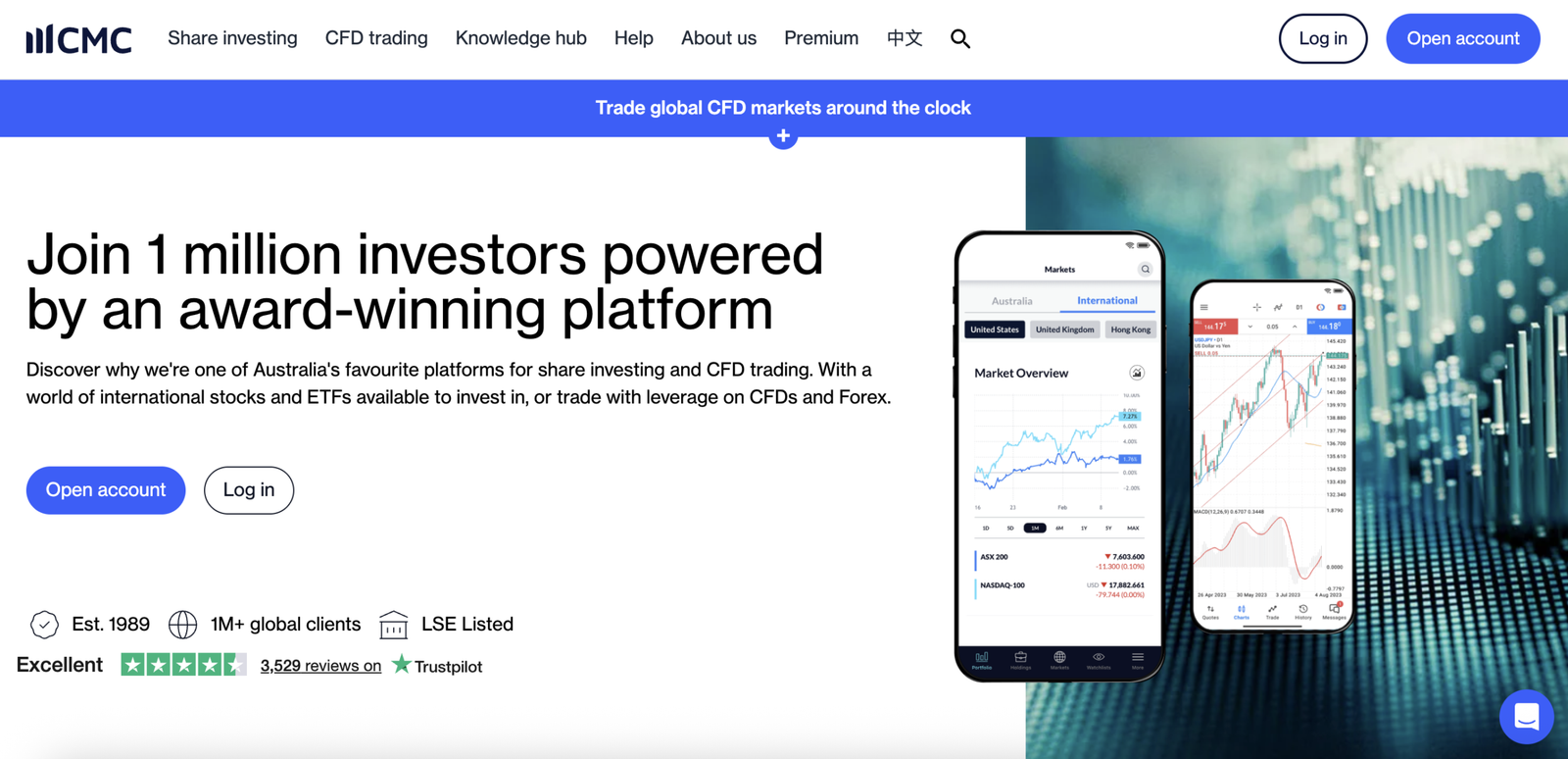
CMC Invest is the strongest all-rounder for investors who want CHESS-sponsored ASX ETFs and access to international markets. The trade-off is that the free first brokerage is conditional, and small follow-up purchases are expensive.
Key information
| Field | Information |
|---|---|
| Best for | All-round Australian ETF investing |
| ASX ETF brokerage | First buy under A$1,000 per security per day: $0. Other buys and all sells: A$11 or 0.10%, whichever is greater |
| International ETF brokerage | $0 on US, UK, Canadian and Japanese-listed products; other international markets A$59 or 0.59% |
| FX fees | Up to 0.60% spread (0.60% in my test) |
| CHESS / custody | ASX: CHESS-sponsored under my own HIN. International: custodial |
| Fractional ETFs | No; whole units only |
| Recurring investing | Not available in my test |
| Markets available | ASX plus 15 international markets; 400+ ASX ETFs and 15,000+ international ETFs advertised |
| Minimum investment | No minimum deposit; A$1,000 minimum on international buys |
| Regulation | CMC Markets Stockbroking Limited (AFSL 246381) |
What I tested
I tested CMC Invest on desktop web and iPhone with an individual Standard account and an A$1,600 deposit, 4–6 November 2026.
How does CMC Invest charge brokerage on ASX ETFs?
CMC Invest charges nothing on the first ASX purchase under A$1,000 per security per day, then A$11 or 0.10%, whichever is greater. I funded the account with A$1,600 and bought five units of VAS at A$104 (A$520), which clears the A$500 first-parcel minimum. The order preview showed A$0 brokerage. I then typed a second one-unit VAS order into the ticket without submitting it, and the preview showed A$11, which is 10.6% of that A$104 order.
The free offer applies to the first buy of each security and does not cover sells: when I sold one VAS unit at A$104 on 6 November, the A$11 charge left me A$93.
The five units settled two business days after the buy and appeared under my HIN. The ETF hub let me browse by category and issuer, though I did not find a fund-fee filter. The reporting page produced a transaction statement, and no distribution fell inside my test window.
What does CMC Invest cost on international ETFs?
CMC Invest charges $0 brokerage on US, UK, Canadian and Japanese-listed products, with currency conversion as the main cost. Its A$1,000 minimum on international buys shaped my test: one VOO share at US$620 is only about A$954, so I chose a cheaper ETF instead. I converted A$1,050 and paid A$6.30 (0.60%), received US$678.41 at a quote of 0.6461 against the 0.6500 mid-market rate, and bought 24 SCHD units at US$28 (US$672, about A$1,034) for $0 brokerage. There was no fractional option, so I had to buy whole units.
My costs across the test came to A$17.30: A$11 in brokerage (the sale) and A$6.30 in FX. I also withdrew A$100 on 6 November, which reached my bank the next business day with no fee.
Who is CMC Invest best for?
CMC Invest is best for investors who want CHESS-sponsored ASX ETFs and one login for global markets. Regular small contributors should look at Betashares Direct or Pearler, because the A$11 minimum penalises small repeat orders.
Pros and cons
Pros & cons
- $0 brokerage on a first ASX ETF buy under A$1,000 per security per day
- CHESS-sponsored ASX holdings with international access
- $0 brokerage on US, UK, Canadian and Japanese-listed ETFs
- A$11 minimum on later buys and every sell
- No fractional ETFs and no recurring plans in my test
- Free brokerage is conditional and easy to misread
Our verdict
CMC Invest ranks second because it covers ownership, market access and cost in one platform, and my total cost across the test was A$17.30. Read the free-brokerage conditions before relying on them.
Read the complete CMC Markets review here.
3. Betashares Direct Review – Best for low-cost ASX ETF investing
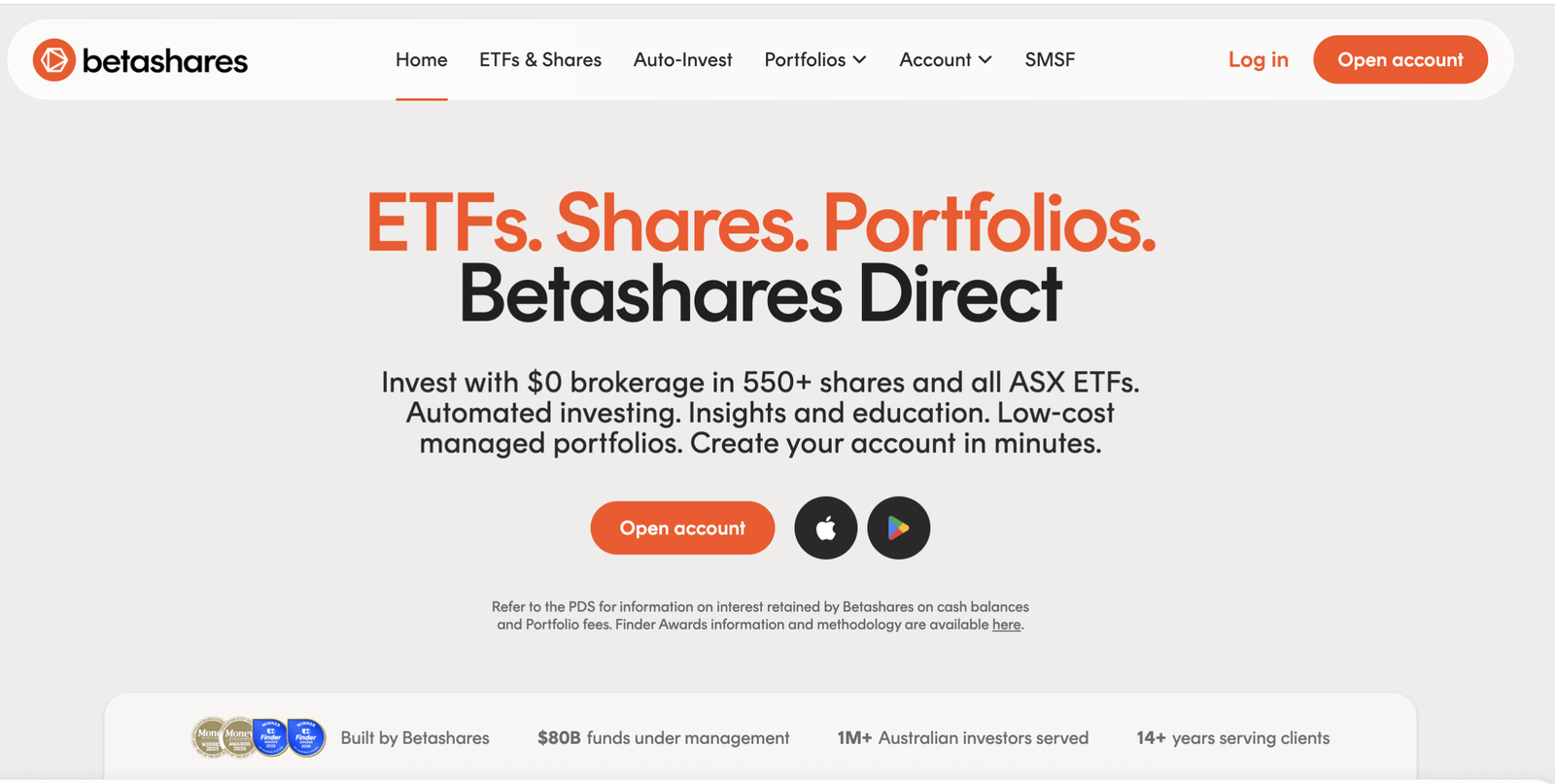
Betashares Direct is the cheapest way I found to buy ASX ETFs regularly, with $0 brokerage, $0 auto-invest and fractional units. The trade-off is custodial (non-CHESS) ownership, ASX-only markets and cash interest retained by Betashares.
Key information
| Field | Information |
|---|---|
| Best for | Low-cost, long-term ASX ETF investors |
| ASX ETF brokerage | $0 on buys and sells |
| International ETF brokerage | Not available (ASX only) |
| FX fees | Not applicable |
| CHESS / custody | Not CHESS-sponsored; custodial structure, units held on my behalf and not under my own HIN |
| Fractional ETFs | Yes, from A$10 |
| Recurring investing | Yes, $0 auto-invest fee; A$100 per cycle accepted in my test |
| Markets available | ASX ETFs and selected ASX shares |
| Minimum investment | A$10 per buy |
| Regulation | Betashares Capital Ltd, AFSL 341181 |
What I tested
I tested Betashares Direct on iPhone and web with an individual account and a A$300 deposit, 3–6 November 2026.
How does Betashares Direct work for regular ETF investing?
Betashares Direct is built for small, regular ETF purchases, and that is where it stood out. Sign-up and identity verification took 18 minutes, and my A$300 bank transfer showed in the Cash Wallet after about ten minutes. I searched VAS, A200, VGS and NDQ, and each ETF page gave me the fund details I wanted without leaving the app.
On 3 November I bought A$90 of VAS, which gave me about 0.87 units at A$104, and the next day I bought A$50 of A200. Both orders showed $0 brokerage on the ticket. To find the floor I placed an A$10 order for VGS, which went through. Holdings appear in a simple list with units, average price and gain or loss, and the portfolio view splits performance by fund.
I then set up a A$100 monthly plan into VAS, which took four screens, and the first execution ran on 6 November at $0. That left A$50 in cash from my A$300 (A$90 + A$50 + A$10 + A$100). To test the exit I sold the A$50 A200 position and withdrew A$100 to my bank, which arrived the next business day with no fee. The transfer-out screen showed a fee of up to A$9.50 per security if I wanted to move holdings to another broker. The PDS describes a custodial structure, so none of this is registered under a HIN of mine.
What does Betashares Direct cost?
Betashares Direct charges $0 brokerage, $0 auto-invest fees, $0 account fees and $0 deposit and withdrawal fees. Transferring a holding out costs up to A$9.50 per security. Zero brokerage does not mean zero cost: ETF management fees still apply inside each fund, and Betashares retains interest earned on cash held in the Cash Wallet. I kept my balance invested rather than parked. Compare that with a flat A$6.50 broker, where a A$100 monthly plan would lose 6.5% of each contribution to brokerage.
Who is Betashares Direct best for?
Betashares Direct is best for investors making regular ASX ETF purchases of any size who value low cost over holding a HIN. If you want US ETFs or CHESS sponsorship, you will need a second platform.
Pros and cons
Pros & cons
- $0 brokerage, auto-invest and account fees
- Fractional units from A$10
- Simple recurring plans
- Not CHESS-sponsored
- ASX-only; no international ETFs
- Cash interest retained by Betashares; transfer-out fees apply
Our verdict
Betashares Direct earns #3 and the low-cost ASX ETF category. For a long-term accumulator who only needs ASX funds, it is difficult to beat on cost. It falls short on market access and ownership structure.
4. Webull Review – Best for low-cost ETF trading and charting

Webull combines $0 ETF brokerage on ASX and US products with CHESS-sponsored ASX holdings and real charting tools. The trade-off is that live ASX data costs A$49.99 per month and free quotes need manual refreshing.
Key information
| Field | Information |
|---|---|
| Best for | Cost-conscious investors and chart-focused traders |
| ASX ETF brokerage | $0 (ASX shares: A$1 or 0.03%, whichever is greater) |
| International ETF brokerage | $0 on US ETFs |
| FX fees | 0.50%, measured in my test |
| CHESS / custody | ASX: CHESS-sponsored. US: custodial |
| Fractional ETFs | US shares and ETFs (confirmed on VOO); ASX not fractional |
| Recurring investing | Not available in my test |
| Markets available | ASX and US |
| Minimum investment | No minimum deposit; ASX first parcels follow ASX rules |
| Regulation | Webull Securities (Australia) Pty Ltd |
What I tested
I tested Webull on a Samsung Galaxy S24 with an individual cash account and an A$700 deposit, 6–10 November 2026.
How much does Webull charge for ETFs?
Webull charges $0 brokerage on ASX and US ETFs. I funded the account with A$700 and bought five VAS units at A$104 (A$520), which clears the A$500 first-parcel minimum. The order preview showed $0 brokerage and the confirmation matched. For comparison, an A$800 Telstra order typed into the ticket (not submitted) showed the A$1 minimum.
The VAS units settled two business days later into CHESS and the HIN appeared on my holding statement. The ETF screener let me filter by asset class and performance, but expense ratios only showed on each fund’s page, not in the results list. Portfolio reporting shows profit and loss, and distribution reporting is basic.
What does Webull cost for US ETFs?
Webull charges $0 commission on US products, with 0.50% on currency conversion. I converted A$120, paid A$0.60 and received US$77.61, then bought US$70 of VOO as a fractional order at $0 commission. Selling US$30 of it showed a US$0.01 regulatory fee on the confirmation. I withdrew A$60 on 10 November and it landed the next business day with no fee.
How good is Webull’s charting for ETF investors?
Webull’s charting is a genuine strength: I added RSI and MACD and set a price alert in under a minute on the Galaxy S24. That matters if you time entries rather than buy on a schedule. The catch is data: snapshot quotes are free but need manual refreshing, and streaming ASX data is the main paid feature at A$49.99 per month.
Who is Webull best for?
Webull is best for cost-focused investors who want CHESS-held ASX ETFs, $0 US ETF brokerage and charts in one app. Set-and-forget investors will want a platform with recurring investing.
Pros and cons
Pros & cons
- $0 brokerage on ASX and US ETFs
- CHESS-sponsored ASX holdings
- Strong charting with quick indicator and alert setup
- Streaming data costs A$49.99 per month
- Free quotes require manual refreshing
- No recurring ETF investing in my test
Our verdict
Webull ranks fourth as the best low-cost platform for investors who also want charting. It is one of the strongest ETF competitors in this list because the $0 brokerage comes with CHESS holdings on the ASX side.
Read the complete Webull review here.
5. Moomoo Review – Best for ETF research and market analysis

Moomoo is the best research platform in this comparison, with a desktop screener, free 60-level US Level 2 data and paper trading. The trade-off is that brokerage is not free and the iPad layout is crowded.
Key information
| Field | Information |
|---|---|
| Best for | Research-focused, more active ETF investors |
| ASX ETF brokerage | A$3 or 0.03%, whichever is greater |
| International ETF brokerage | US$0.99 per US order plus pass-through fees; HK$3 or 0.03% plus HK$15 platform fee |
| FX fees | 0.55%, measured in my test |
| CHESS / custody | ASX: CHESS-sponsored. US ETFs: custodial |
| Fractional ETFs | US shares and ETFs |
| Recurring investing | Not available in my test |
| Markets available | ASX, US, Hong Kong |
| Minimum investment | No minimum deposit; US fractional orders from US$5 |
| Regulation | Moomoo Securities Australia Ltd, AFSL 224663 |
What I tested
I tested Moomoo on an iPad Air and Windows desktop with a universal account and an A$800 deposit, 10–12 November 2026.
How good is Moomoo’s screener for ETF research?
Moomoo’s desktop screener is the feature that justified keeping the account open. I ran an ASX 200 screen filtered to a dividend yield above 3%, which narrowed the list quickly. I then switched the screener to ETFs and filtered by asset class and size, and each fund’s page showed the expense ratio, holdings and distribution history. That fund detail is the part ETF buyers should care about, and I found it easier to reach on desktop than on the iPad.
How much does Moomoo charge for ETFs?
Moomoo charges A$3 or 0.03% (whichever is greater) on ASX trades, US$0.99 per US order plus pass-through fees, and about 0.55% on currency conversion. I deposited A$800 and bought five VAS units at A$104 (A$520) for the A$3 minimum, which is 0.58% of the order; 0.03% would only have been A$0.16. I converted A$140 and paid A$0.77 (US$90.50 received), and the spread sat inside the quoted rate rather than appearing as a separate fee line, so I had to work it out myself.
I then bought US$30 of AMD and US$50 of VOO as fractional orders and paid US$0.99 on each. The preview showed no extra pass-through lines on either buy. The smallest fractional order I placed, US$5, went through at the same US$0.99, which is 19.8% of the order, so tiny US orders are poor value here. On 12 November I withdrew A$100, which reached my bank the next business day with no fee.
What is Moomoo’s Level 2 data like?
Moomoo provides free 60-level Level 2 market depth on US products. I used it to see order-book depth before the AMD order. That is more depth than most ETF buyers need, but it helps when a thinly traded product has a wide spread.
Does Moomoo hold ETFs in my name?
ASX ETFs such as VAS sit in CHESS under my own HIN. US ETFs such as VOO are held through a custodial structure, so there is no HIN for those.
Who is Moomoo best for?
Moomoo is best for investors who research before buying and want screeners, depth and paper trading alongside ETF access. If you want the lowest possible brokerage on every ASX ETF buy, Webull or Betashares Direct will be cheaper.
Pros and cons
Pros & cons
- Desktop screener and fund pages with expense ratio and distribution history
- Free 60-level US Level 2 data and paper trading
- CHESS-sponsored ASX holdings and US fractional ETFs
- A$3 ASX minimum and US$0.99 per US order, which hurts small orders
- FX spread embedded in the rate
- Busy iPad interface
Our verdict
Moomoo takes fifth because it is a research platform first and a low-cost ETF platform second. It is a strong inclusion for analytical investors, but cost-focused buyers can do better.
Read the complete Moomoo review here.
6. Tiger Brokers Review – Best for international ETF trading

Tiger Brokers gives Australian investors CHESS-sponsored ASX access alongside US and Hong Kong markets at low brokerage. The trade-off is that auto-invest covers US and HK securities only, not ASX ETFs.
Key information
| Field | Information |
|---|---|
| Best for | International market access at low cost |
| ASX ETF brokerage | A$3 up to A$10,000 per order; 0.03% above |
| International ETF brokerage | US: US$2 up to 200 shares, then US$0.01 per share; fractional orders under one share 1% of value, maximum US$1. HK: HK$15 up to HK$25,000, then 0.06% |
| FX fees | About 0.55%, measured in my test |
| CHESS / custody | ASX: CHESS-sponsored under my own HIN. US: custodial |
| Fractional ETFs | US fractional available |
| Recurring investing | Auto-invest on eligible US and HK securities only |
| Markets available | ASX, US, Hong Kong; 9,500+ US stocks and ETFs advertised |
| Minimum investment | No minimum deposit |
| Regulation | Tiger Brokers (AU) Pty Ltd, AFSL 300767 |
What I tested
I tested Tiger Brokers on iPhone with an individual cash account and an A$800 deposit, 9–12 November 2026.
How does Tiger Brokers price ASX and US ETFs?
Tiger Brokers charges A$3 per ASX order up to A$10,000 and US$2 per whole-share US order up to 200 shares. Sign-up and identity verification took 14 minutes, and I funded the account with A$800. I bought five VAS units at A$104 (A$520), which clears the A$500 first-parcel minimum, and the preview showed A$3. The units settled two business days later and my individual HIN appeared in the account documents.
I then converted A$260 into US dollars. Tiger’s quote was about 0.55% below mid-market: I received US$168.07 against US$169.00 at 0.6500, a A$1.43 cost. I bought US$120 of VOO, about 0.19 of a share, as a fractional order and paid US$1, the cap on orders under one share (1% of US$120 would have been US$1.20). To check the US$2 floor I bought one share of a lower-priced ETF, SCHD at US$28, and paid US$2, which is 7.1% of the trade.
Does Tiger Brokers offer auto-invest for ETFs?
Tiger’s auto-invest works on eligible US and Hong Kong securities, not on ASX ETFs. I set a US$5 weekly plan into VOO, and the first run paid US$0.05, which is 1% of US$5. If your plan is a monthly VAS or A200 purchase, Pearler or Betashares Direct suit that better.
Does Tiger Brokers support CHESS?
Yes. Tiger’s ASX trades are CHESS-sponsored, which means holdings are registered under your own HIN. US holdings are custodial. To test the exit, I sold one VAS unit at A$104 for the same A$3 brokerage and withdrew A$100 to my bank, which arrived the next business day with no fee. The reporting section gave me daily statements, and the research tools were basic compared with Moomoo.
Who is Tiger Brokers best for?
Tiger Brokers is best for investors who want Australian, US and Hong Kong ETFs in one account with CHESS on the ASX side. Pure ASX-only investors will find cheaper options.
Pros and cons
Pros & cons
- A$3 ASX brokerage up to A$10,000
- CHESS-sponsored ASX holdings with US and HK access
- US fractional orders under one share capped at US$1, and US ETF auto-invest
- Auto-invest does not cover ASX ETFs
- US$2 minimum on whole-share US orders
- FX spread of about 0.55% on international ETFs
Our verdict
Tiger Brokers is a good international ETF pick at #6, with competitive flat brokerage and CHESS-sponsored ASX access. It ranks below the specialists for ASX-only investing because its automation does not reach ASX ETFs.
Read the complete Tiger Brokers review here.
7. Pearler Review – Best for automated long-term ETF investing
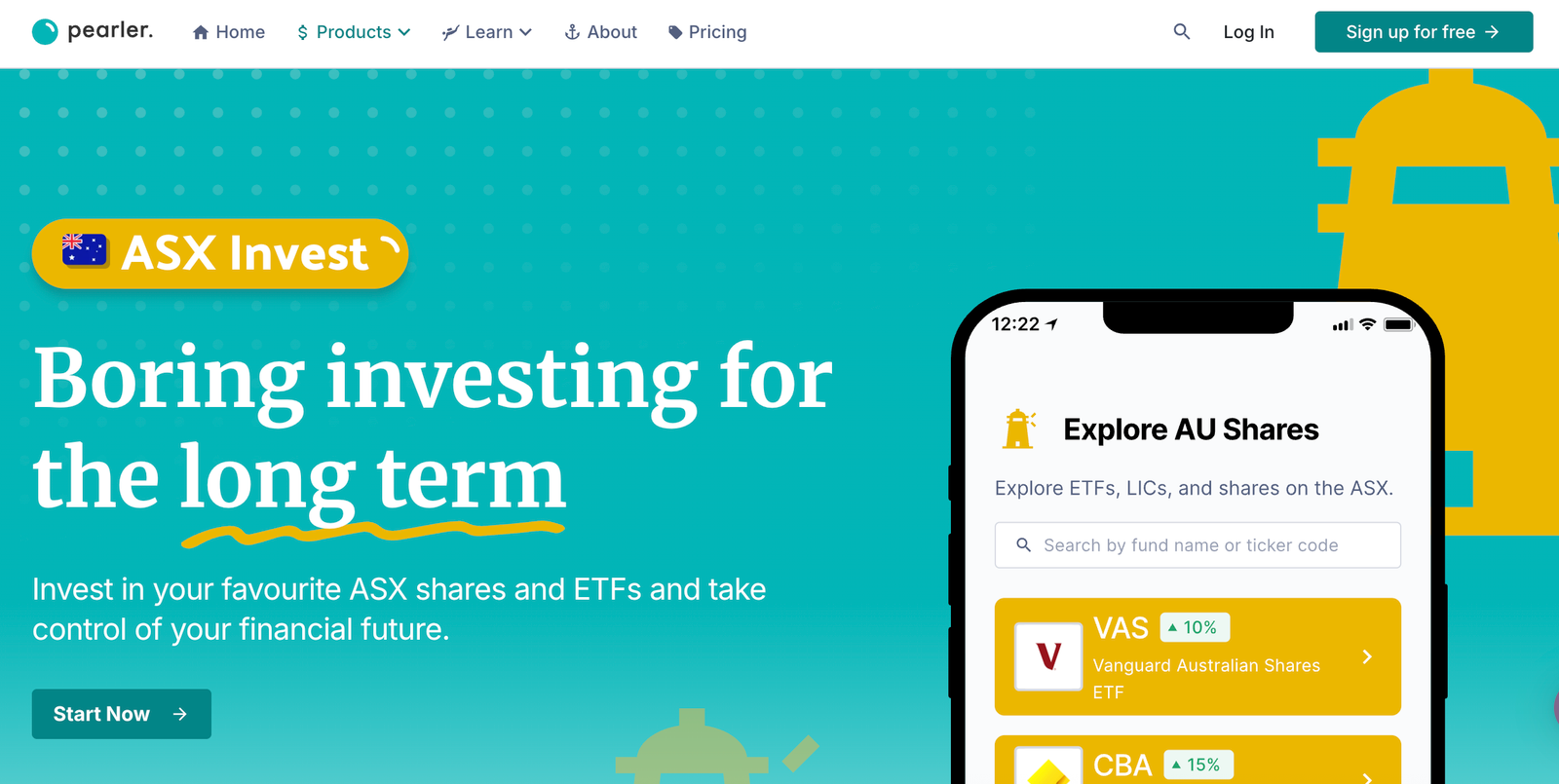
Pearler is built for investors who automate a long-term ASX ETF plan, with CHESS sponsorship and scheduled investing across more than one fund. The trade-off is a flat A$6.50 brokerage on every execution, which makes small contributions expensive.
Key information
| Field | Information |
|---|---|
| Best for | Long-term ETF investors and dollar-cost averaging |
| ASX ETF brokerage | A$6.50 per buy or sell (A$5.50 with prepaid brokerage) |
| International ETF brokerage | A$6.50 per US buy or sell |
| FX fees | 0.50% on AUD/USD, measured in my test |
| CHESS / custody | ASX: CHESS-sponsored under my own HIN. US: custodial |
| Fractional ETFs | US only; ASX holdings are whole units |
| Recurring investing | Yes, including multi-fund plans; A$250 monthly single-fund plan tested |
| Markets available | ASX and US |
| Minimum investment | A$500 first investment in a holding (whole units) |
| Regulation | Pearler Securities Pty Ltd |
What I tested
I tested Pearler on iPhone and web with an individual CHESS-sponsored account and an A$800 deposit, 5–10 November 2026.
How does Pearler’s auto-invest work?
Pearler’s auto-invest lets you schedule recurring purchases into ASX ETFs and it executes on your date. Account approval took two business days. I deposited A$800, then made a manual first purchase because Pearler enforces the ASX’s A$500 first-parcel rule per holding: five VAS units at A$104 (A$520) with A$6.50 brokerage, so A$526.50 in total. A$6.50 on that order is 1.25%.
I then built a plan of A$250 a month into VAS. The builder let me add a second fund and showed A$6.50 per holding before I saved it, but a second fund would have needed its own A$500 first parcel, so I ran a single-fund plan. It ran on 9 November: two VAS units (A$208) plus A$6.50 in brokerage, so A$214.50 in total. That left A$35.50 of the A$250 unspent, because the plan buys whole units only.
What does Pearler charge?
Pearler charges A$6.50 per ASX or US buy or sell, reducing to A$5.50 with prepaid brokerage, plus 0.50% on AUD/USD conversion. I converted A$50 into US dollars for a US ETF and paid A$0.25 in FX, receiving US$32.34. I then bought US$30 of VOO as a fractional order and paid A$6.50, about 14% of the trade. The flat fee rewards fewer, larger contributions: if you can consolidate monthly savings into one order, the percentage cost shrinks.
Is Pearler CHESS-sponsored?
Yes for ASX holdings, so ETFs sit under my own HIN. The welcome email and holding documents listed it after the first settlement. US investments are held through a custodial structure. To test the exit I sold one VAS unit at A$104 for A$6.50 and withdrew A$100, which arrived the next business day with no fee. The portfolio page showed my cost base per holding.
Who is Pearler best for?
Pearler is best for passive investors who want a CHESS-sponsored, automated ASX ETF habit. If you invest small amounts often, Betashares Direct costs less.
Pros and cons
Pros & cons
- CHESS-sponsored ASX holdings with automation across several funds
- Flat, predictable brokerage
- Clear plan screen showing each fee
- A$6.50 per trade makes small orders costly
- A$500 minimum for a first ASX purchase of each fund
- No fractional ASX ETFs
Our verdict
Pearler ranks seventh because its strength is workflow rather than the cheapest transaction. It suits long-term accumulators who value HIN ownership and automation, and it loses to zero-brokerage platforms on pure cost.
8. Interactive Brokers Review – Best for international ETF markets
Interactive Brokers offers the widest global ETF access and the cheapest manual currency conversion on larger amounts in this comparison. The trade-off is complexity: you choose between fixed and tiered pricing before you trade, and the A$6 and US$2 minimums penalise small orders and conversions.
Key information
| Field | Information |
|---|---|
| Best for | Experienced and larger international ETF investors |
| ASX ETF brokerage | Fixed: 0.08%, A$6 minimum, excluding GST. Tiered pricing also available |
| International ETF brokerage | US fixed: US$0.005 per share, US$1 minimum |
| FX fees | Manual conversion: 0.002%, US$2 minimum |
| CHESS / custody | Custodial; not individual CHESS |
| Fractional ETFs | Available on eligible US ETFs (tested on VOO) |
| Recurring investing | Not available on my account type |
| Markets available | 150+ markets advertised |
| Minimum investment | No fixed minimum for the account; order minimums apply |
| Regulation | Interactive Brokers Australia Pty Ltd (AFSL 453554) |
What I tested
I tested Interactive Brokers on Windows desktop and iPhone with an individual cash account and an A$400 deposit, 11–13 November 2026.
How much does Interactive Brokers charge for ASX ETFs?
Interactive Brokers charges 0.08% with an A$6 minimum on fixed pricing, plus GST. I deposited A$400 and bought two units of VAS at A$104 (A$208). The calculated commission was A$0.17, so the A$6 minimum applied, which became A$6.60 with GST, or 3.2% of the order. Selling one unit later cost the same A$6.60, so my two orders cost A$13.20 in total.
I compared fixed and tiered pricing on order previews at three sizes without submitting them. On fixed, A$1,000 costs A$6.60, A$5,000 costs A$6.60 and A$10,000 costs A$8.80 (A$8 plus GST). On tiered, the base started at the same 0.08%, but the preview added exchange and clearing fees, so it came out dearer than fixed at all three sizes.
Is Interactive Brokers cheap for currency conversion?
Only on larger amounts. Manual conversion costs 0.002% with a US$2 minimum, and that minimum decides the cost on small transfers. I converted A$150 and the commission was the US$2 minimum, about A$3.08 (2.05% of the amount), with US$95.50 received. A 0.55% spread would have cost A$0.83 on the same amount, so on my small test IBKR was dearer. The break-even is about A$560: on A$4,500 the same US$2 minimum would be A$3.08 against A$24.75 at 0.55%. I bought US$90 of VOO as a fractional order for the US$1 minimum commission.
Is Interactive Brokers hard to use?
For a beginner, yes. The platform asked me to choose fixed or tiered pricing before trading, and the order ticket exposed more options than the simpler apps. The ETF screener was thorough, but I needed the help pages to find it. The Statements section produced an activity statement and a realised profit and loss report, and I exported the latter as a CSV. The account agreement describes ASX securities held in Interactive Brokers’ custody structure, separate from its own assets, so there is no individual CHESS HIN. After selling one VAS unit, a A$100 withdrawal reached my bank on the second business day with no fee. The learning curve was the main friction, not the costs.
Who is Interactive Brokers best for?
Interactive Brokers is best for experienced investors with larger portfolios who want global ETF markets and low FX costs. It is the wrong choice for someone making frequent A$300–A$500 ASX ETF purchases, because the A$6 minimum becomes a large share of each order.
Pros and cons
Pros & cons
- 150+ markets and multi-currency accounts
- Very low manual FX cost on larger conversions
- Order previews that show commission and GST, with fractional US ETFs
- A$6 ASX and US$2 FX minimums are expensive on small amounts
- Custodial, not individual CHESS, for ASX holdings
- Fixed vs tiered pricing adds complexity
Our verdict
Interactive Brokers ranks eighth in this list, which reflects how specialised it is rather than the quality of the platform. For larger, international ETF portfolios it is among the best on cost.
Read the complete Interactive Brokers review here.
How much does it actually cost to invest through each platform?
Each scenario below is modelled from the fees I measured in my tests and the published schedules, not from customer results.
Scenario A: small, regular ETF investor (A$500 a month into an ASX ETF)
Twelve A$500 purchases make A$6,000 of annual contributions. Four platforms charge nothing, and Pearler’s flat A$78 is 1.3% of the A$6,000 invested.
| Platform | Annual buy brokerage (12 × A$500) | Annual FX costs | Other platform fees | Total estimated cost | Auto-invest | Ownership |
|---|---|---|---|---|---|---|
| eToro | A$0 | A$0 | A$0 | A$0 | Monthly plans from US$25 (tested on a US ETF) | Custodial |
| CMC Invest | A$0 (one buy a month stays under the A$1,000 free-buy limit) | A$0 | A$0 | A$0 | No | CHESS |
| Betashares Direct | A$0 | A$0 | A$0 | A$0 | Yes, $0 | Custodial |
| Webull | A$0 | A$0 | A$0 | A$0 | No | CHESS |
| Moomoo | A$36 (12 × A$3 minimum) | A$0 | A$0 | A$36 | No | CHESS |
| Tiger Brokers | A$36 (12 × A$3) | A$0 | A$0 | A$36 | US and HK only, not ASX ETFs | CHESS |
| Pearler | A$78 (12 × A$6.50; A$66 with prepaid) | A$0 | A$0 | A$78 (A$66 prepaid) | Yes, A$6.50 per execution | CHESS |
| Interactive Brokers | A$79.20 (12 × A$6.60 incl. GST) | A$0 | A$0 | A$79.20 | No | Custodial |
Scenario B: larger long-term investor (A$5,000 a quarter into an ASX ETF)
Four A$5,000 purchases make A$20,000 of annual contributions, followed by one A$20,000 sale. Flat fees favour larger orders: Pearler’s A$6.50 is 0.13% of a A$5,000 buy, while CMC Invest’s A$11 minimum is 0.22%.
| Platform | Buy brokerage (4 × A$5,000) | Exit brokerage (one A$20,000 sale) | Annual FX costs | Other platform fees | Total estimated cost |
|---|---|---|---|---|---|
| eToro | A$0 | A$0 | A$0 | A$0 | A$0 |
| CMC Invest | A$44 (4 × A$11; 0.10% is only A$5) | A$20 (0.10%) | A$0 | A$0 | A$64 |
| Betashares Direct | A$0 | A$0 | A$0 | A$0 | A$0 |
| Webull | A$0 | A$0 | A$0 | A$0 | A$0 |
| Moomoo | A$12 (4 × A$3 minimum) | A$6 (0.03%) | A$0 | A$0 | A$18 |
| Tiger Brokers | A$12 (4 × A$3) | A$6 (0.03% above A$10,000) | A$0 | A$0 | A$18 |
| Pearler | A$26 (4 × A$6.50) | A$6.50 | A$0 | A$0 | A$32.50 (A$27.50 prepaid) |
| Interactive Brokers | A$26.40 (4 × A$6.60 incl. GST) | A$17.60 (0.08% plus GST) | A$0 | A$0 | A$44.00 |
Scenario C: international ETF investor (A$1,000 a month into a US ETF)
Twelve A$1,000 purchases make A$12,000 of annual contributions, each needing a currency conversion, plus one sale with the proceeds converted back to Australian dollars. Interactive Brokers costs 0.5% of the A$12,000 invested against 1.5% at eToro.
| Platform | Brokerage (12 buys + 1 sale) | FX on 12 monthly conversions | FX on sale | Other platform fees | Total estimated cost |
|---|---|---|---|---|---|
| eToro | A$0 | A$90.00 (0.75%) | A$90.00 | A$0 | A$180.00 |
| CMC Invest | A$0 | A$72.00 (0.60%) | A$72.00 | A$0 | A$144.00 |
| Betashares Direct | Not available (ASX only) | n/a | n/a | n/a | n/a |
| Webull | A$0 | A$60.00 (0.50%) | A$60.00 | A$0 | A$120.00 |
| Moomoo | A$19.80 (13 × US$0.99) | A$66.00 (0.55%) | A$66.00 | A$0 | A$151.80 |
| Tiger Brokers | A$40.00 (13 × US$2; each order is just over one share) | A$66.00 (0.55%) | A$66.00 | A$0 | A$172.00 |
| Pearler | A$84.50 (13 × A$6.50; A$71.50 prepaid) | A$60.00 (0.50%) | A$60.00 | A$0 | A$204.50 (A$191.50 prepaid) |
| Interactive Brokers | A$20.00 (13 × US$1 minimum) | A$36.92 (US$2 minimum each) | A$3.08 | A$0 | A$60.00 |
Assumptions: the sale in B and C is of the full year’s contributions with no market movement; whole-unit rounding is ignored; sale-side FX uses the same percentage as the buy; CMC Invest’s free first buy assumes one buy per security per day; and Pearler’s prepaid figures use the A$5.50 effective rate. The totals exclude ETF management fees, US sale regulatory fees (a cent or so), transfer-out fees and the interest Betashares retains on cash balances. Tiger’s brokerage assumes VOO at US$620, so each A$1,000 order is just over one share and pays US$2 rather than the US$1 under-one-share cap. CMC Invest’s A$1,000 international minimum is assumed to be met by each order. eToro uses the 0.75% rate recorded in my tests; each extra 0.25 percentage points would add A$60 to its total. Interactive Brokers uses manual conversions at the US$2 minimum; IBKR also quotes 0.03% for automated conversion, which would cut its FX to about A$7.20 and its total to about A$27.20 if no minimum applies.
CHESS vs custody: which ownership structure suits ETF investors?
CHESS-sponsored holdings are registered under your own HIN on the ASX, while custodial holdings are held for you by the platform’s custodian. CHESS gives you direct ownership and easier moves between brokers. Custody usually allows smaller orders and fractional units, and that is the trade the cheaper platforms make.
Which platforms use CHESS and which use custody?
Five of the eight platforms hold ASX ETFs under my own HIN. On CMC Invest, Webull, Tiger Brokers and Pearler, the HIN appeared in my account documents after the first trade settled two business days later, and Moomoo’s ASX holdings sit under a HIN too. Every platform holds international ETFs in custody, so a HIN only ever applies to ASX units.
| Platform | ASX ETFs | International ETFs | What I noticed |
|---|---|---|---|
| eToro | Custodial | Custodial | No HIN anywhere in the account |
| CMC Invest | CHESS | Custodial | HIN appeared after VAS settled |
| Betashares Direct | Custodial | Not available | Fractional units from A$10; transfer-out up to A$9.50 per security |
| Webull | CHESS | Custodial | HIN on the holding statement |
| Moomoo | CHESS | Custodial | ASX ETFs under my HIN, US ETFs without one |
| Tiger Brokers | CHESS | Custodial | Individual HIN in the account documents |
| Pearler | CHESS | Custodial | HIN listed in the welcome email and holding documents |
| Interactive Brokers | Custodial | Custodial | Held in its custody structure, separate from its own assets |
Should I choose CHESS or custody for ETFs?
Choose CHESS if you want units in your own name and expect to move brokers, and accept the A$500 first-parcel rule that applies to each new ASX holding. Choose custody if you want to start from A$10, buy fractional units or access international ETFs in one account. In my tests, the platforms with no HIN were also the ones with the lowest minimums (Betashares Direct) or the widest market access (Interactive Brokers and eToro).
Which ETF platform is best for different investors?
The best platform depends on how often you invest, whether you want a HIN and whether you need international ETFs. These are the matches I would make from my tests.
| If you are… | Best pick | Why |
|---|---|---|
| A beginner wanting one app for ETFs, shares and copy investing | eToro | $0 ETF commission, fractional units and the fee shown before you confirm; custodial ownership |
| Buying small ASX ETF amounts regularly | Betashares Direct | $0 brokerage and $0 auto-invest from A$10 per buy; ASX only and no HIN |
| Wanting CHESS ownership plus international markets | CMC Invest | Free first ASX buy under A$1,000 per security per day and $0 brokerage on US, UK, Canadian and Japanese-listed ETFs |
| Automating a long-term plan under your own HIN | Pearler | Multi-fund monthly plans on CHESS-sponsored holdings, at A$6.50 per execution |
| Cost-focused and chart-focused | Webull | $0 ASX and US ETF brokerage with CHESS-held ASX units; A$49.99 a month for live ASX data |
| Researching before you buy | Moomoo | Desktop ETF screener, fund pages and free 60-level US Level 2 data |
| Spreading across ASX, US and Hong Kong | Tiger Brokers | A$3 ASX brokerage, CHESS holdings and US fractional orders under one share capped at US$1 |
| Investing larger amounts internationally | Interactive Brokers | Lowest international cost in my scenario (A$60 a year), but custodial and more complex |
On ASX ETFs, brokerage decides the cost. On international ETFs, currency conversion does: the 0.50% to 0.75% spreads I measured cost more than any brokerage line. Two costs sit outside these tables: the management fee inside every ETF, and the interest Betashares keeps on cash held in its Cash Wallet.
How I scored and ranked the best ETF platforms in Australia
I build every guide on Psyfi Money’s broader platform reviews, then reweight it for the reader. Here that reader is an Australian investor buying ETFs, so cost, ownership and automation count for more than charting or market count. Any existing platform review rating stays separate from the order in this guide.
| Ranking factor | Weight | What I assessed |
|---|---|---|
| Cost of buying ETFs | 30% | ASX brokerage ($0 to A$6.50, or A$6 minimum plus GST), international brokerage, measured AUD/USD conversion (0.50% to 0.75%), and a modelled first-year plan |
| Ownership structure | 15% | CHESS-sponsored ASX holdings under my own HIN versus custodial or managed-scheme structures, and transfer-out fees |
| ETF access | 15% | ASX and international ETF coverage, fractional ETFs, and whether a position is a real ETF or an ETF CFD |
| Recurring investing | 15% | Auto-invest availability, whether it covers ASX ETFs, and the fee on each execution |
| Ease for newer investors | 15% | Order ticket clarity, fees shown before confirmation, ETF discovery tools and CFD risk on the ticket |
| Starting small | 10% | Minimum buys, the A$500 first-parcel rule on CHESS brokers, and minimum brokerage on A$300 to A$500 orders |
I ran the same sequence on all eight accounts: fund it, buy VAS or another ASX ETF, buy a US ETF (VOO, or SCHD at CMC Invest), measure the AUD/USD conversion against a 0.6500 mid-market rate, set up a recurring plan where one existed, then check the HIN or custody paperwork and exit.
The comparison that moved the order most was the three modelled scenarios above, built from the fees I measured: on a A$500 monthly ASX plan only Moomoo, Tiger, Pearler and Interactive Brokers charge anything (A$36 to A$79.20 a year), on A$5,000 quarterly buys with a A$20,000 exit CMC Invest costs A$64 against A$32.50 at Pearler, and on A$1,000 a month into a US ETF the all-in cost runs from A$60 at Interactive Brokers to A$204.50 at Pearler, with eToro at A$180. Those figures are modelled from my test conversions and published fees, not customer results.
I put 30% on cost because a small monthly contributor loses more to a flat A$6.50 fee than any screener can win back, and 15% on ownership because a HIN in your own name is not the same as a custodial holding. I gave charting and research little weight, since for ETF investors a clear order ticket mattered more than a long feature list.
I treated an ASIC-licensed Australian entity and ETF access as entry requirements rather than points, kept affiliate relationships out of the scoring, and used the weights only to set the order in this guide, not to create another platform rating.
Platforms I considered but didn’t rank
| Platform | Why I considered it | Why it isn’t ranked |
|---|---|---|
| CommSec | Largest bank-backed broker, with CHESS holdings | Brokerage is tiered and rises with order size (from A$5). It was dearer than the ranked CHESS platforms on small and mid-sized buys. |
| SelfWealth | CHESS broker with a flat A$9.50 fee | Costs more per trade than Pearler’s A$6.50. It has no fractional units and no auto-invest, so it didn’t beat a ranked platform on any scenario. |
| Stake | Flat A$3 per ASX trade | Sits level with Moomoo and Tiger on cost. Sources disagree on whether its ASX holdings are CHESS-sponsored, so I couldn’t score ownership. |
| Superhero | Around A$2 per ASX trade, with auto-invest | Sources disagree on whether ETF brokerage is A$0 or A$2, so I couldn’t model it in the three scenarios. |
| Pepperstone | Large broker offering ETF exposure | Its ETF exposure is mainly through CFDs rather than owning the ETF. |
ASX ETFs vs international ETFs: what can you buy?
ASX ETFs trade in Australian dollars with no currency conversion, and international ETFs give you wider choice at the cost of FX and custody. Neither is better; most investors end up using both.
| ASX-listed ETFs | International (US-listed) ETFs | |
|---|---|---|
| Examples in my tests | VAS, VGS, A200, NDQ | VOO, SCHD |
| Currency | AUD, no conversion | USD, so FX when buying and selling |
| Ownership | CHESS on five platforms; custodial on the other three | Custodial on every platform that offers them |
| Available on | All eight platforms | Seven platforms (not Betashares Direct) |
| Range advertised | 400+ ASX ETFs at CMC Invest | 15,000+ international ETFs at CMC Invest; 9,500+ US stocks and ETFs at Tiger |
If you want global shares without currency conversion, some ASX-listed ETFs such as VGS hold international shares and trade in Australian dollars. Check the tax treatment of US-listed ETFs, including withholding tax on dividends, before you buy; I am not a tax adviser.
How to invest using an Australian ETF platform?
1. Log in to the platform
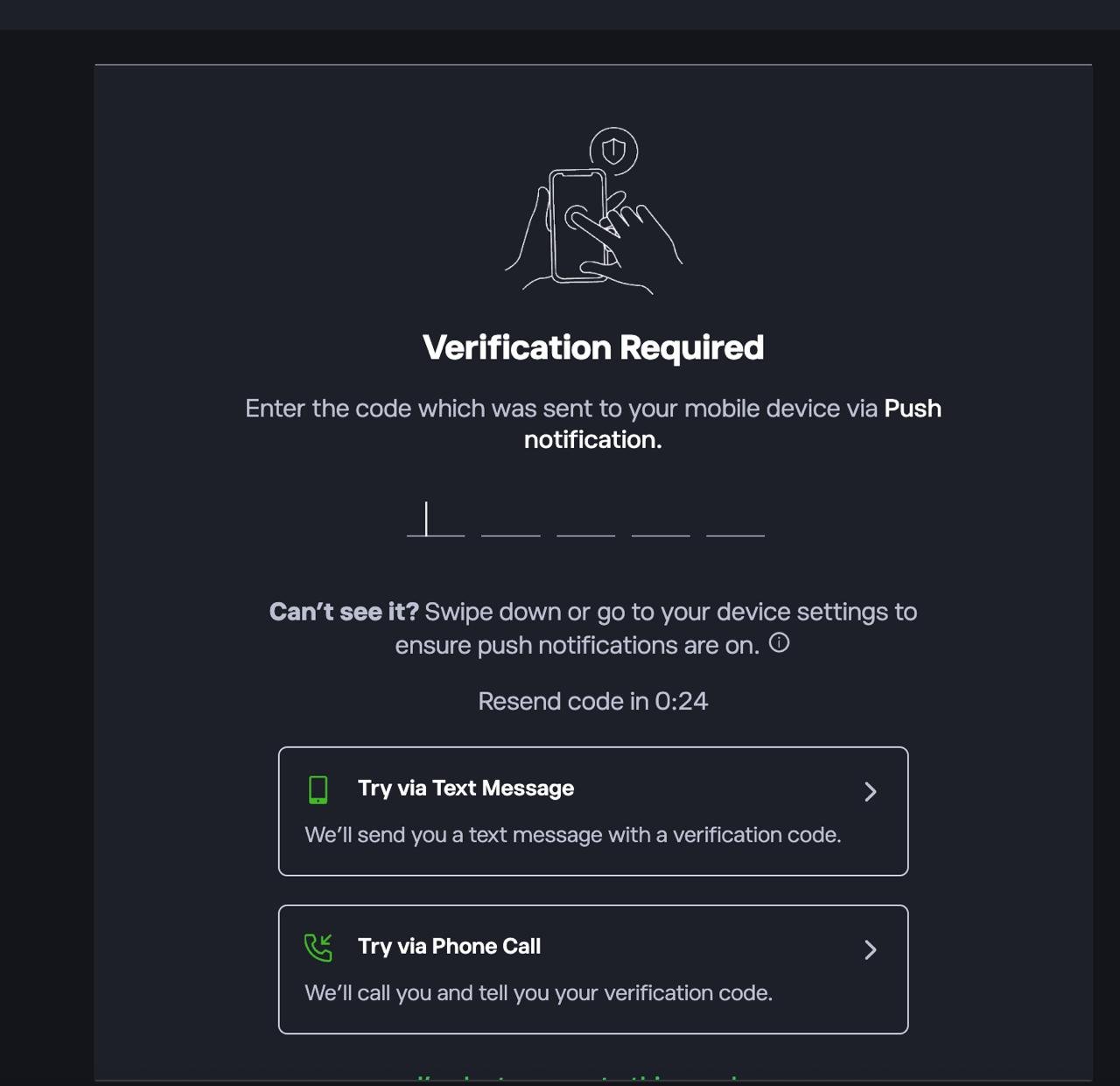
First sign up or log in to the platform. If prompted, complete 2FA by entering the code sent via push notification, SMS, or phone call.
2. Deposit funds into your account
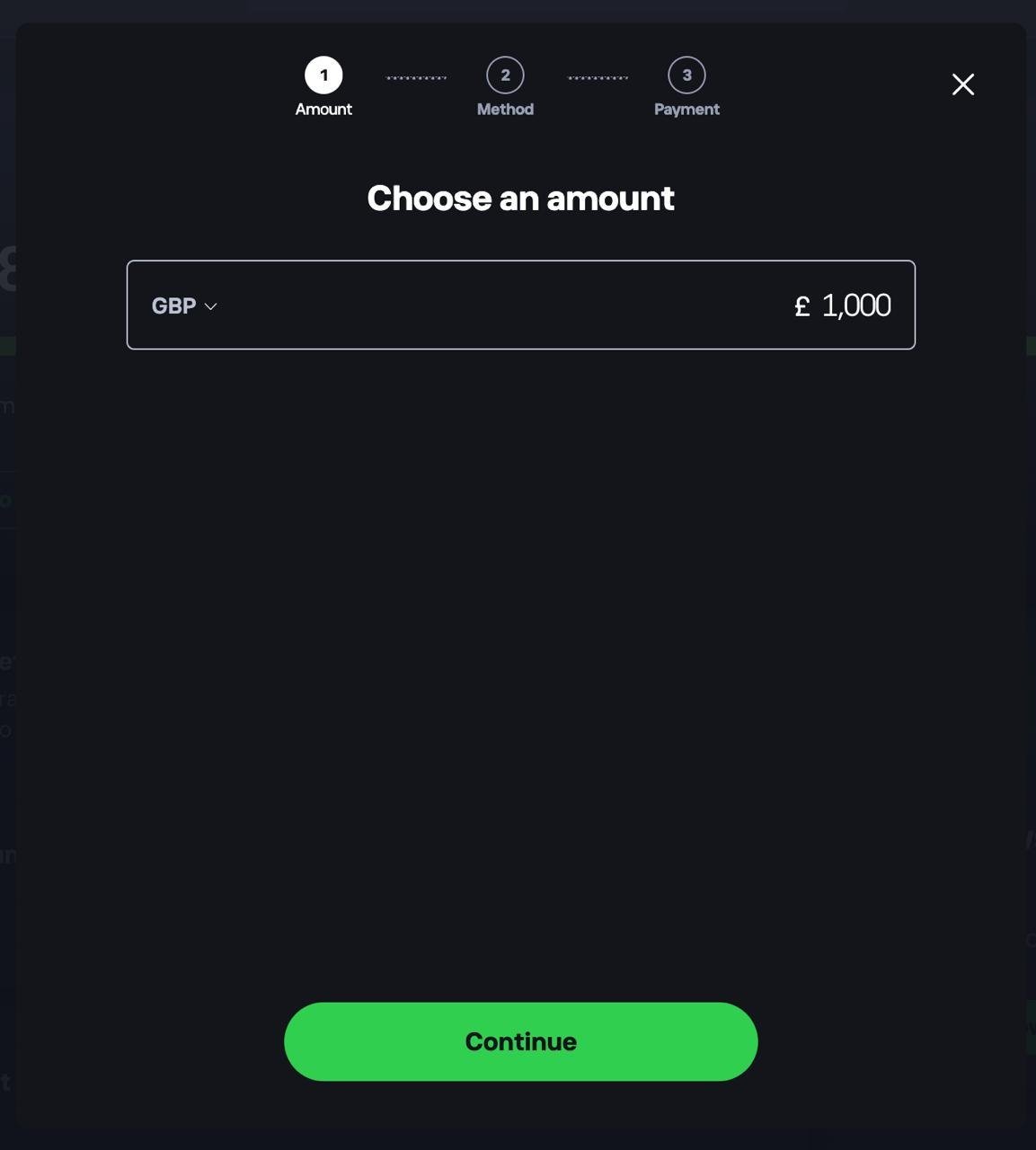
Head to your dashboard and choose to add funds. Select your currency, enter the amount you want to deposit, tap Continue, then choose a payment method.
3. Confirm your funds are available
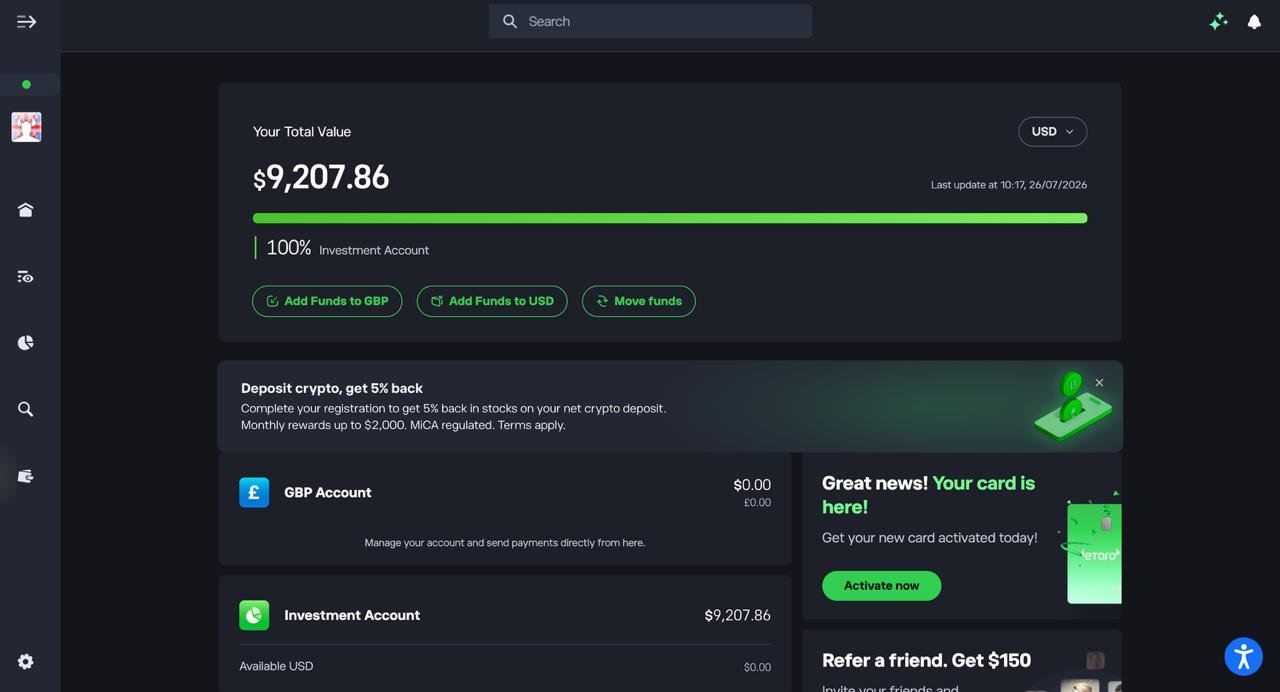
Check your dashboard to make sure your deposit has landed in your Investment Account before you start investing.
4. Find the investment you want
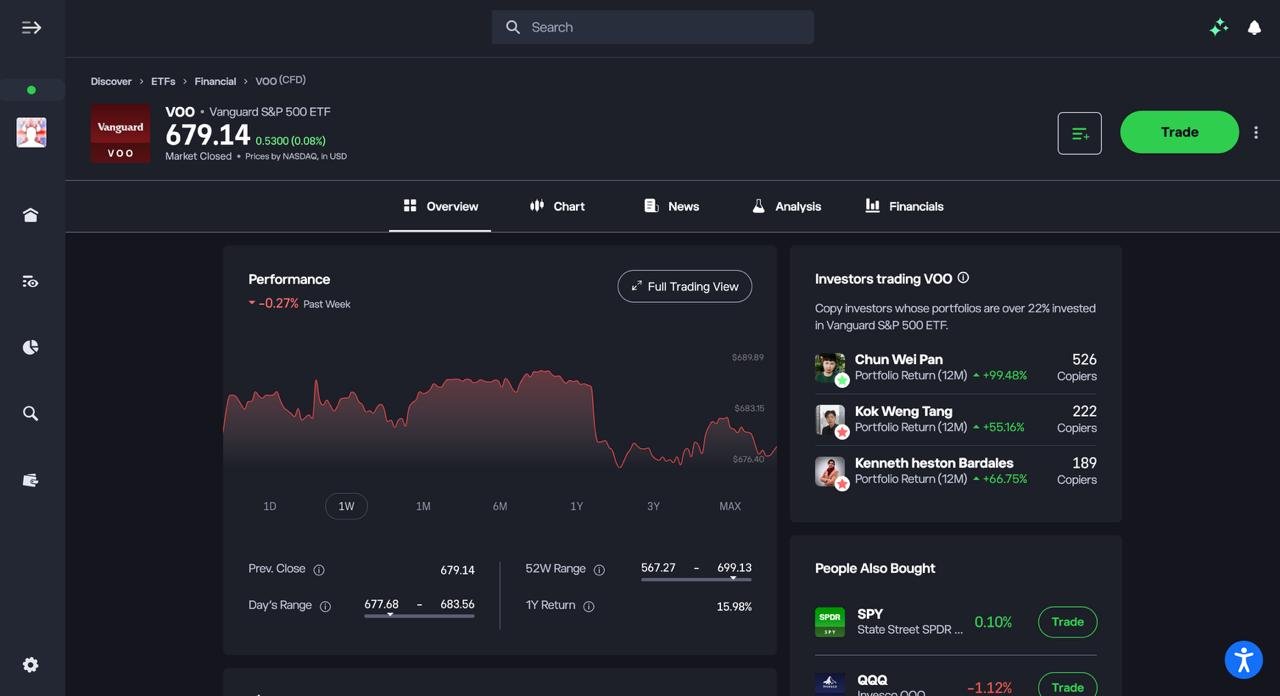
Search for the stock, ETF, or asset you want to invest in and open its overview page to check the price and performance before you commit.
5. Set up and confirm your investment
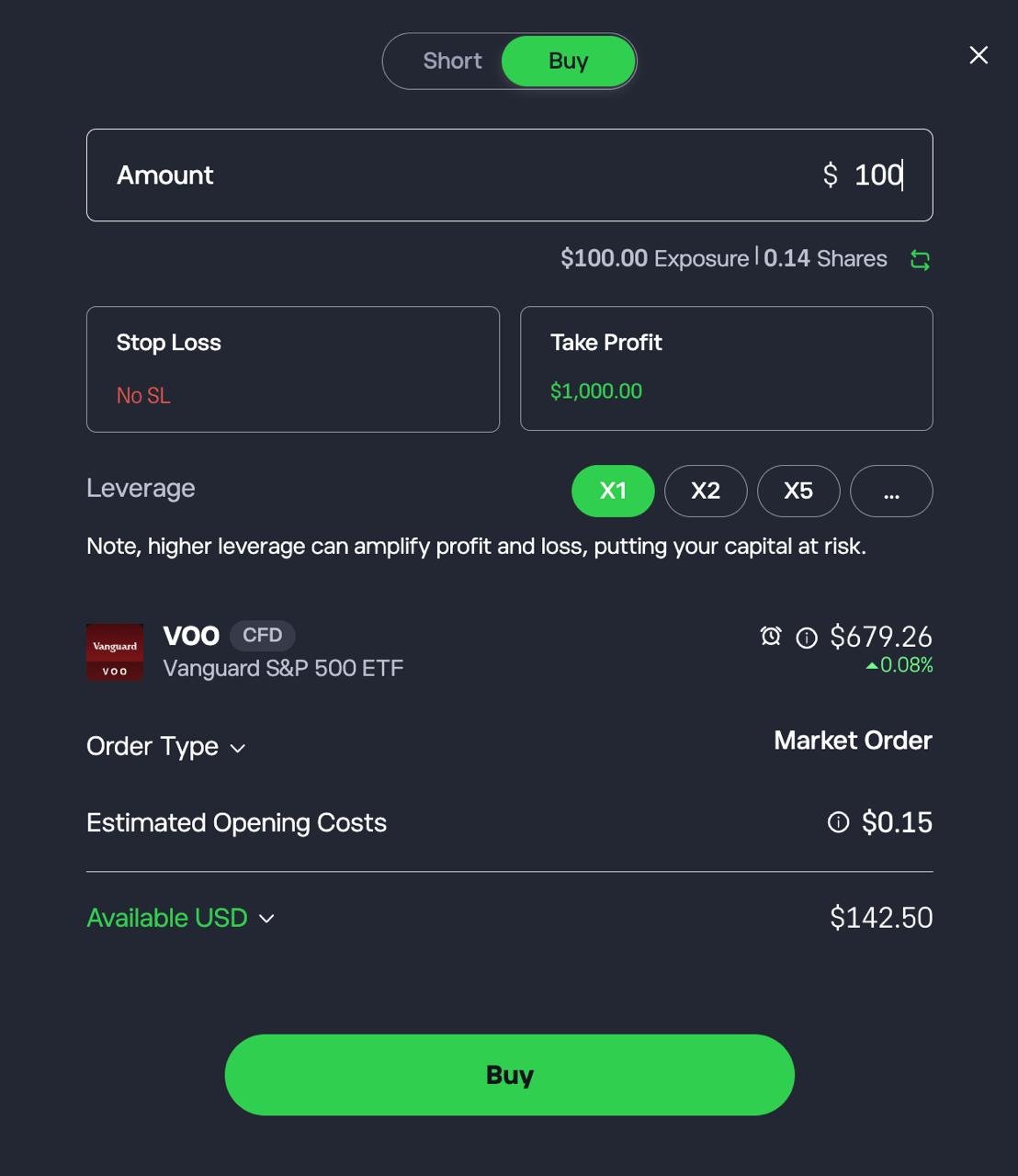
Choose Buy, enter the amount you want to invest, optionally set a Stop Loss and Take Profit, then tap Buy to confirm.
FAQs
What is the best ETF trading platform in Australia?
CMC Invest is the best all-round ETF platform in this guide, because it combines CHESS-sponsored ASX holdings, a free first ASX buy under A$1,000 per security per day and access to 15 international markets. eToro ranks first for beginners, and Betashares Direct and Webull were the Betashares Direct and Webull were the cheapest for ASX ETFs, with $0 brokerage on both buys and sells. eToro is also $0 on ASX ETFs, while CMC Invest is only free on the first buy per security per day, then A$11 or 0.10%. In my A$500-a-month scenario, all four cost A$0 a year. Moomoo and Tiger Brokers charge A$3 per ASX trade, which came to A$36 a year in that scenario, so they suit investors who want research or international access more than the lowest brokerage.
Is CHESS sponsorship important when buying ETFs?
CHESS sponsorship matters if you want your ETF units registered in your own name, because they sit under your own HIN on the ASX and you can move them between CHESS brokers. In my tests CMC Invest, Webull, Moomoo, Tiger Brokers and Pearler issued a HIN for ASX units, while eToro, Betashares Direct and Interactive Brokers hold them in custody. Custody is not wrong, and it is what allows A$10 minimums and fractional units, but the legal structure is different.
Are ETFs safer than individual shares?
Broad ETFs are usually less risky than a single share because they spread company-specific risk across many holdings, but they still carry market risk. An ETF tracking a broad share index will rise and fall with that market, and narrow sector or thematic ETFs are more concentrated. International ETFs also add currency risk, because you buy and sell in US dollars.
Do ETFs pay dividends?
Yes, many equity ETFs pay distributions, usually quarterly or semi-annually, and some pay monthly. A distribution can include dividends, interest and capital gains, and ETFs holding Australian shares may pass on franking credits. Check each fund’s distribution history and your platform’s income statement, and speak to a tax adviser about how distributions are taxed for you.
Are ETFs suitable for beginners?
Yes, broad, low-cost index ETFs are often suitable for beginners because one purchase gives diversified exposure. Leveraged, inverse and thematic ETFs are generally not suitable for inexperienced investors. On eToro, the leverage selector sits next to the buy button and can turn an ETF purchase into a CFD, so check the order type before you confirm.
What are the best ETF providers in Australia?
ETF providers such as Vanguard and Betashares issue the funds, while platforms are where you buy them. The platforms in this guide, in order, are eToro, CMC Invest, Betashares Direct, Webull, Moomoo, Tiger Brokers, Pearler and Interactive Brokers. I left Pepperstone out because its ETF exposure is mainly through CFDs rather than owning the ETF itself.
What are the best ETF trading platforms in Australia for beginners?
eToro is the best ETF platform for beginners in this guide, with $0 ETF commission, fractional units and the fee shown before you confirm; its identity check took 22 minutes in my test. Betashares Direct suits beginners who only want ASX ETFs, with a A$10 minimum and $0 brokerage and auto-invest, and CMC Invest suits those who want CHESS ownership. Moomoo’s screeners are strong, but its iPad layout felt busy, so I would not lead with it for a first-time investor.
